World
Ghana leads push for apologies, debt relief over slave trade reparations
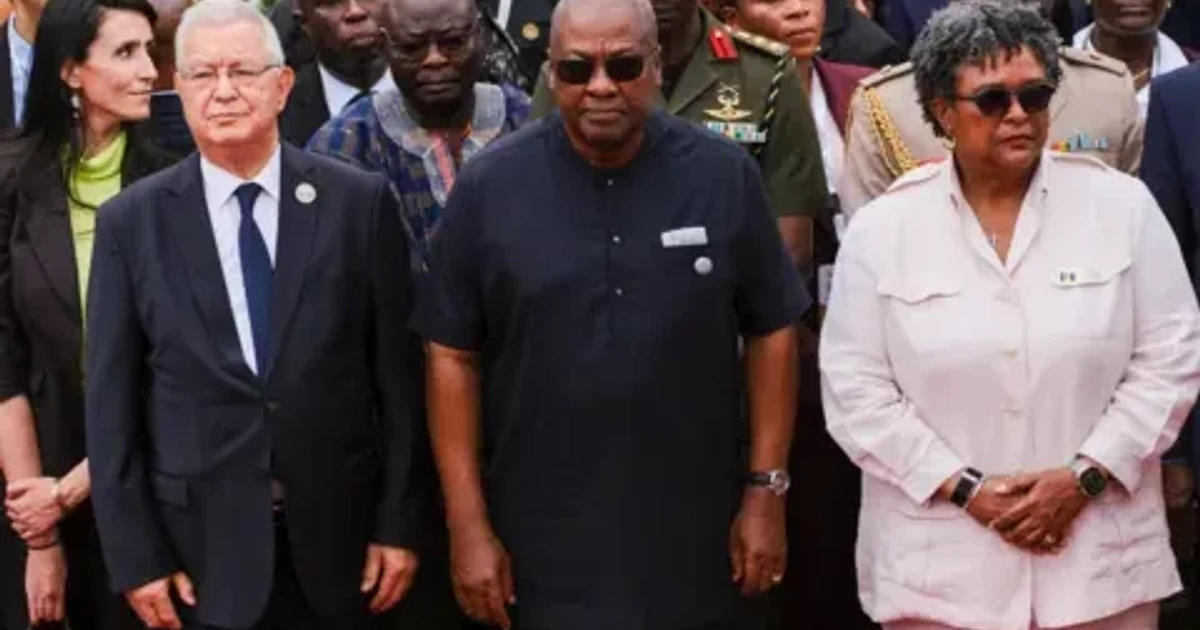
African and Caribbean leaders ended a three-day conference in Accra by demanding that former slave-trading nations issue full, formal and unconditional apologies, along with debt relief and financial compensation. The 19-point reparations plan was designed to move the debate from recognition to enforceable action, including compensation under international law. Delegates from more than 80 countries gathered in Ghana as the country tried to turn a long-running moral claim into a diplomatic test for Europe and the United States.
The push built on a March 25 vote at the United Nations General Assembly, where a Ghana-led resolution declared the transatlantic slave trade the gravest crime against humanity. The measure passed 123 to 3, with the United States, Israel and Argentina voting against and 52 countries abstaining. President John Dramani Mahama said the resolution opened a new opportunity for meaningful engagement, while also underscoring that slavery’s effects continue to be felt across Africa, the Caribbean and the wider African diaspora.
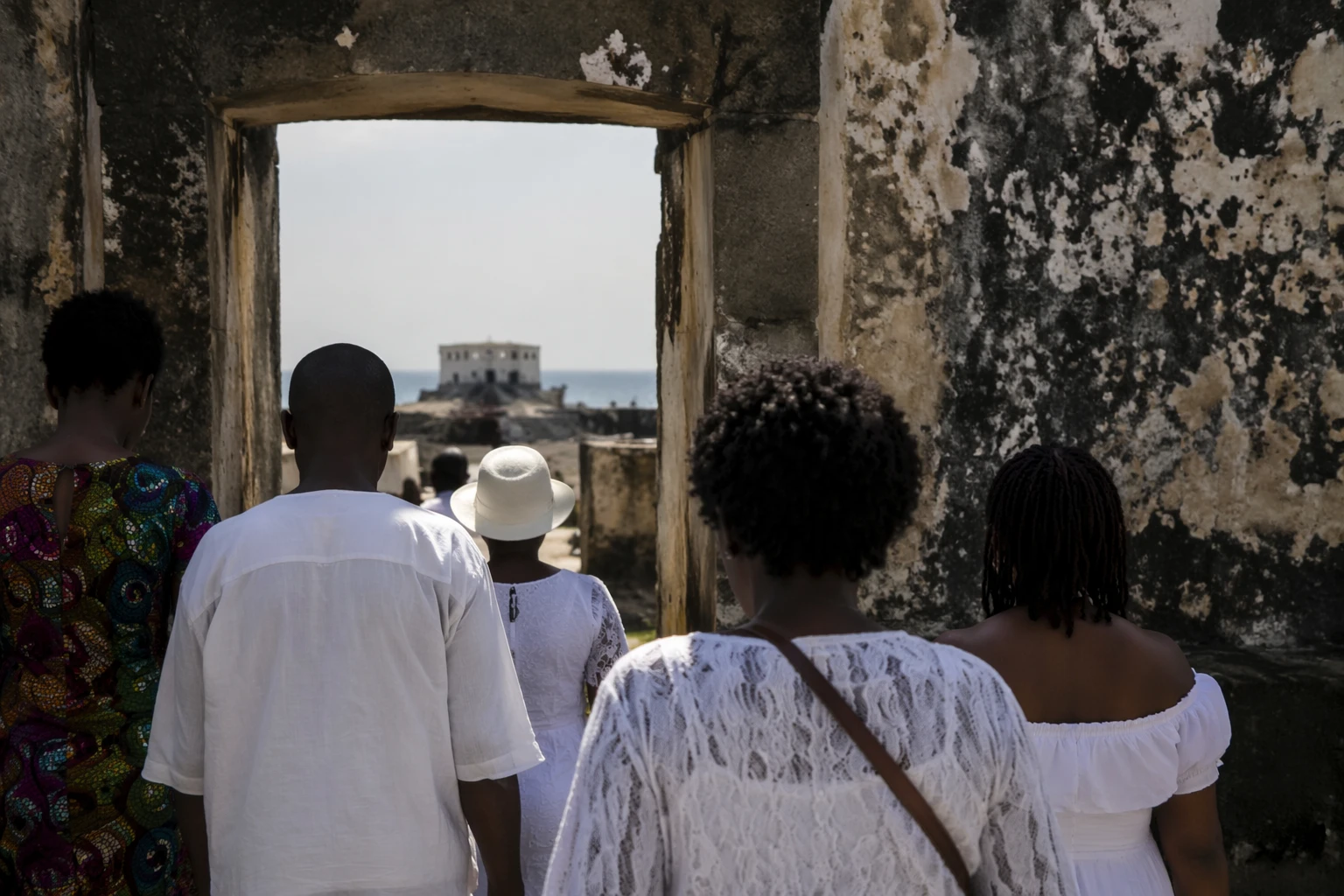
In practical terms, the apology demand was about more than contrition. Organizers said it should mark a foundational step toward reconciliation, trust-building and reparatory justice, with countries that benefited from the slave trade acknowledging responsibility and moving toward financial remedies. That means the argument is no longer limited to symbolism. It now reaches debt cancellation, compensation, and the return of wealth and cultural property tied to centuries of forced labor.
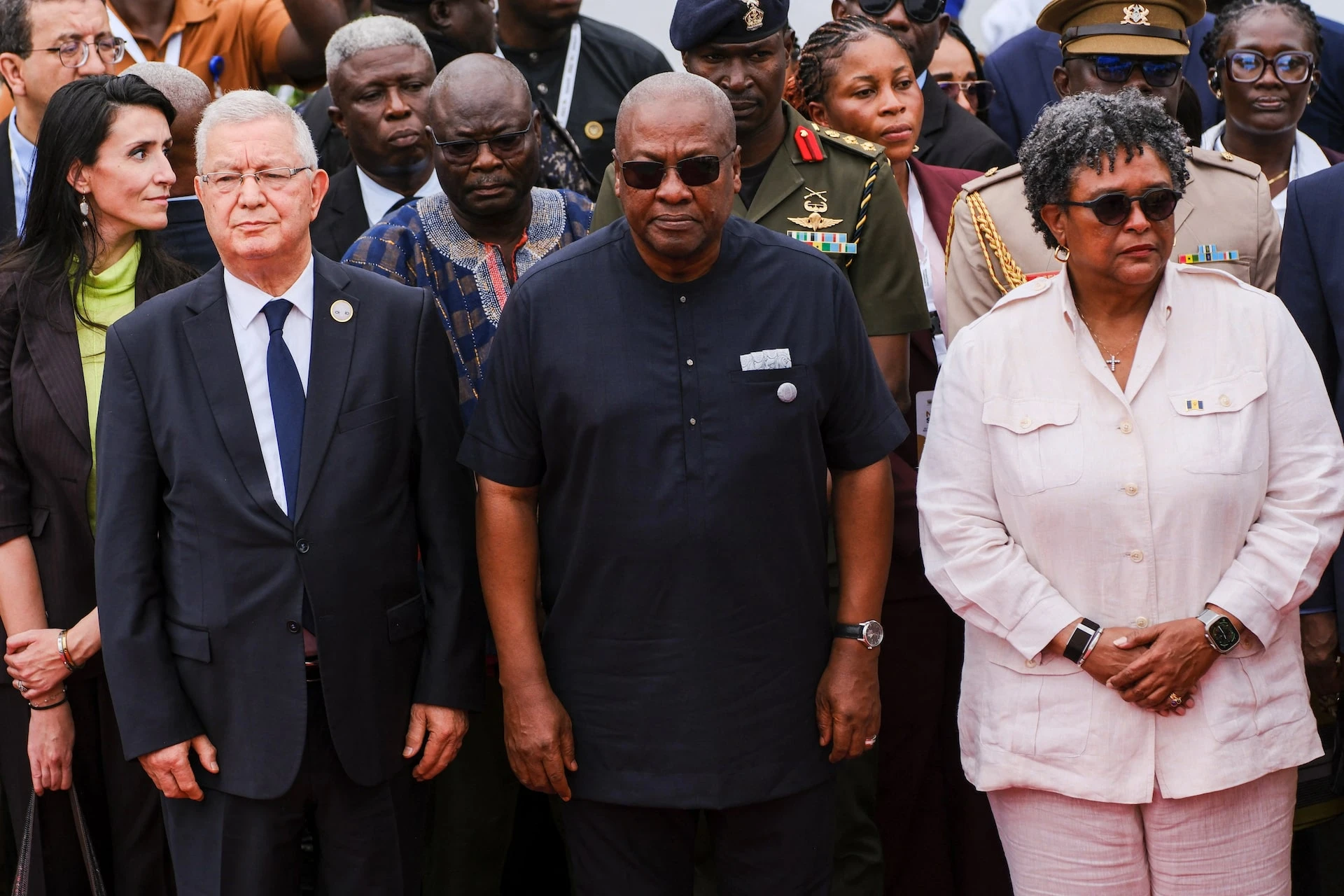
The conference’s 19-point framework echoed CARICOM’s long-standing reparatory justice agenda, which calls for a full formal apology, debt cancellation, repatriation support, cultural and educational programs, public health repair, psychological rehabilitation, technology transfer and compensation. At a 2023 reparations summit in Ghana, participants had also proposed a Global Reparation Fund, reflecting a broader effort to shift reparations from rhetoric to an organized international framework.
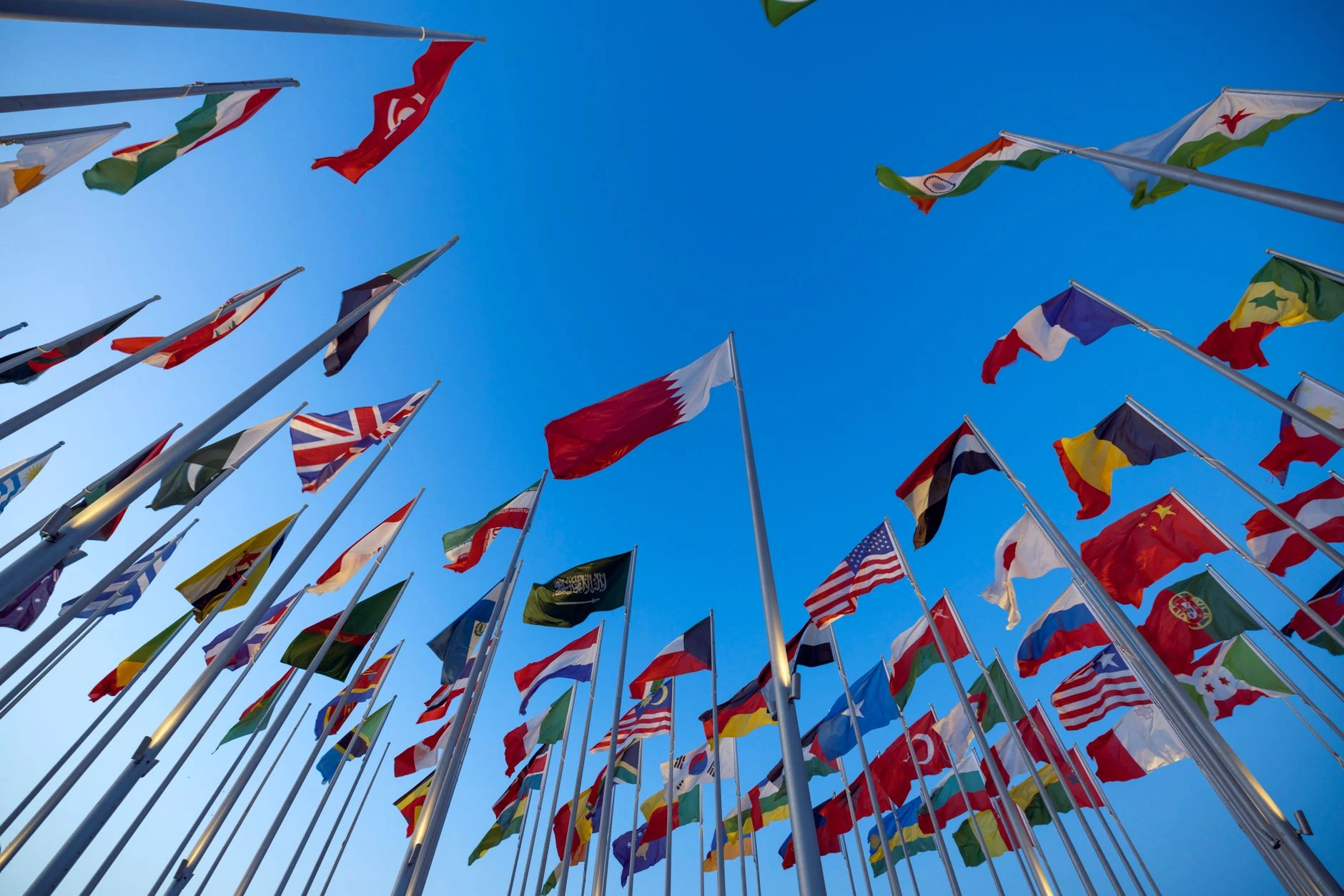
The countries likely to face the greatest political, legal and financial pressure are the former European slave-trading powers and, in the Americas, the United States. About 12 million Africans were forcibly taken by European traders from the 16th to the 19th century, and the scale of that history now sits behind the new calls for money, debt relief and restitution. In the United States, where a 2021 Pew Research Center survey found only about three in 10 adults supported some form of repayment to descendants of enslaved people, the politics remain difficult. But Ghana’s conference made clear that reparations advocates are no longer asking only for acknowledgment. They are pressing for systems, funds and legal obligations that could outlast one summit and reshape a global argument.
Sources
- [1]bbc.com
- [2]halifax.citynews.ca
- [3]news.un.org
- [4]caricom.org
- [5]reparations.mfa.gov.gh
- [6]usnews.com