US News
Ghislaine Maxwell Refuses to Testify in Congressional Deposition
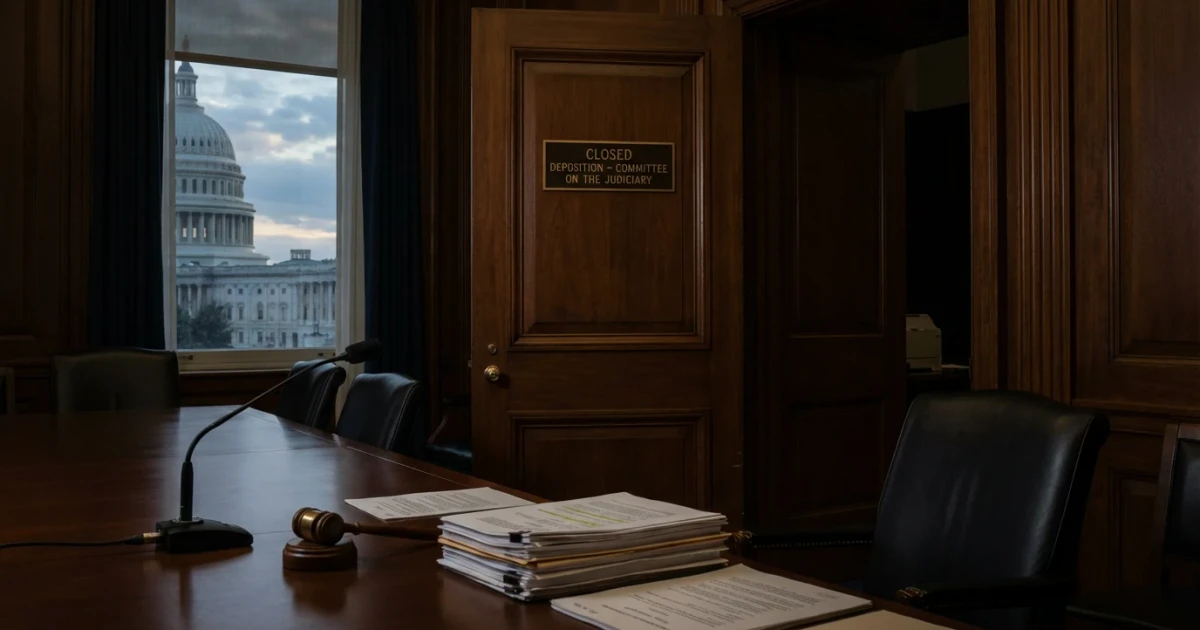
Ghislaine Maxwell, the British socialite convicted on federal sex trafficking charges, declined to answer questions from lawmakers during a closed-door congressional deposition, according to reporting by The Washington Post. The session, held as part of ongoing efforts by Congress to investigate the broader network surrounding Jeffrey Epstein, left key questions about accountability and transparency unresolved.
Maxwell Invokes Rights in House Deposition
During the private deposition before members of the House Committee on Oversight and Accountability, Maxwell exercised her right to remain silent and declined to respond to lawmakers’ questions. This marks another instance where Maxwell, who is currently serving a federal prison sentence after being found guilty of conspiring with Epstein to sexually abuse minor girls, has limited her cooperation with official inquiries.
- The deposition was not open to the public, reflecting the sensitive nature of the ongoing federal investigations.
- Maxwell’s refusal to testify comes amid persistent calls for greater transparency regarding Epstein’s associates and the extent of his criminal network.
- Congressional committees have increasingly turned to closed-door hearings and depositions in cases involving complex criminal investigations.
Debate Over Congressional Investigative Tactics
The Washington Post’s coverage also referenced ongoing debates about the effectiveness of public hearings versus closed-door depositions in uncovering facts. Some critics argue that public spectacles can hinder truth-finding, while others believe public accountability is critical for high-profile cases such as the Epstein-Maxwell scandal.
Maxwell’s silence follows a pattern established during her criminal trial, where she largely abstained from public comment. In the wake of her conviction on federal sex trafficking and conspiracy charges, the Department of Justice described her as a central figure in Epstein’s operation.
Context: Ongoing Scrutiny and Public Pressure
Maxwell’s refusal to answer questions highlights the challenges lawmakers face in investigating the full scope of Epstein’s network. Law enforcement agencies, including the FBI, continue to pursue leads and examine human trafficking cases linked to the broader scandal. Congressional committees have held multiple hearings and issued subpoenas, but the absence of testimony from key figures like Maxwell has slowed progress.
Victims’ advocates and transparency groups have urged Congress to consider alternative strategies for oversight, including leveraging official records, data analysis, and cooperation with law enforcement rather than relying solely on direct testimony from convicted individuals. These efforts are part of a broader push to ensure that all parties involved in the Epstein case are held accountable.
What’s Next for Congressional Oversight?
While Maxwell’s silence in her deposition leaves many questions unanswered, congressional investigations are expected to continue. Lawmakers may seek additional records, call new witnesses, or coordinate more closely with federal prosecutors in an effort to shed light on the case’s remaining mysteries. The official records of these proceedings are available through the House Oversight Committee’s docket and court filings related to Maxwell’s legal battles.
As public interest in the Epstein case remains high, the tension between privacy, due process, and the public’s right to know continues to shape the debate over how best to pursue justice and transparency moving forward.