World
Gibraltar border fence to come down under UK-EU deal

The Gibraltar-Spain border fence is set to come down under a UK-EU deal that will remove routine land checks and shift immigration controls to Gibraltar’s airport and port, easing the daily commute for about 15,000 frontier workers. The change is meant to make movement easier for commuters, traders and families who have lived with la verja for decades, with provisional application due from 15 July 2026.
The agreement removes passport checks at the land border and creates a customs union for goods, alongside social-security coordination for cross-border workers. It also sets out wider cooperation on taxation, the environment and labour rules, a package aimed at reducing the friction that has long shaped life in Gibraltar, La Línea de la Concepción and the wider Campo de Gibraltar.
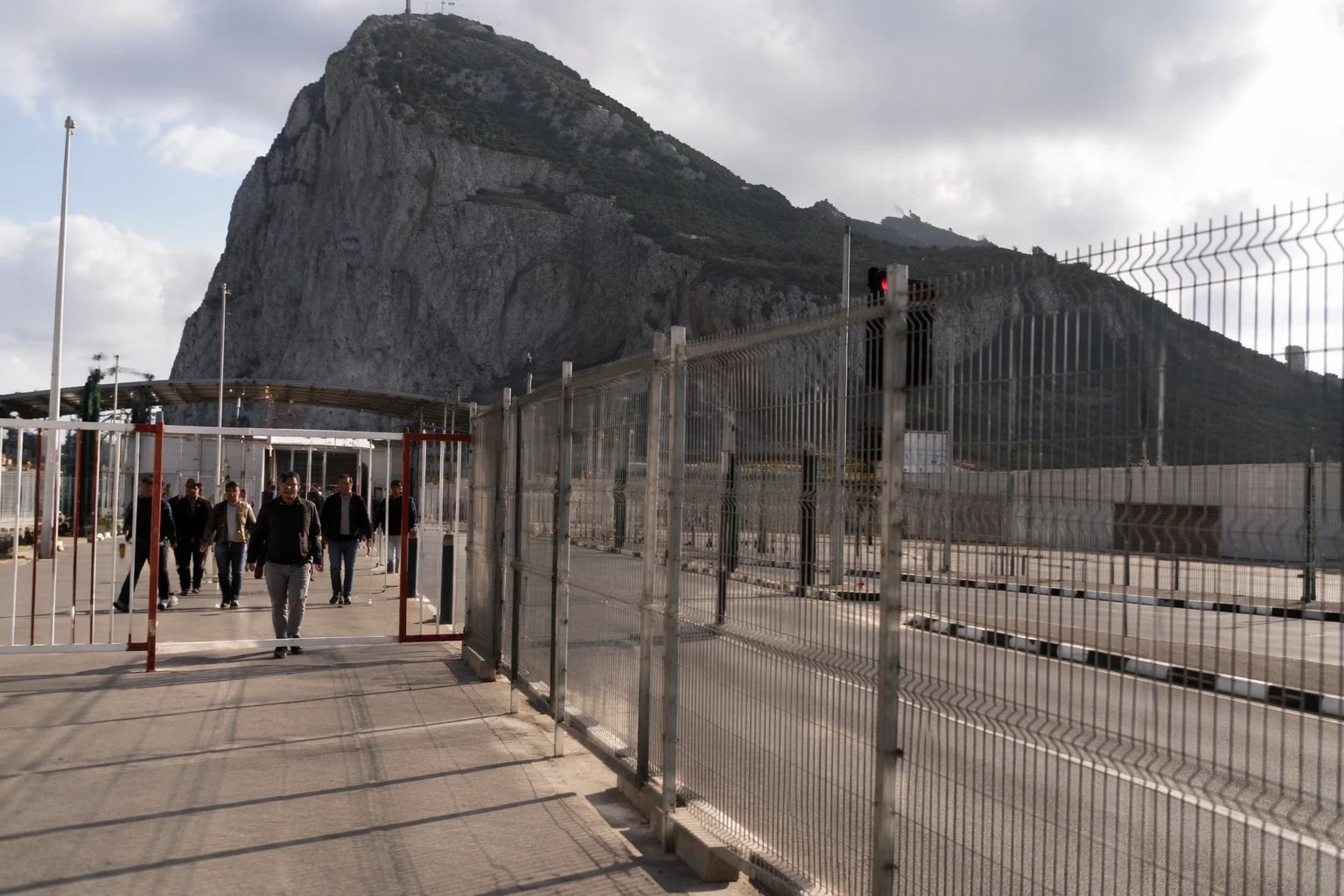
Fabian Picardo, José Manuel Albares, David Lammy and Maroš Šefčovič announced the political agreement in Brussels on 11 June 2025. The legal text was published on 26 February 2026, and a European Parliament briefing says final consent is still pending even though provisional application has been authorised for mid-July.
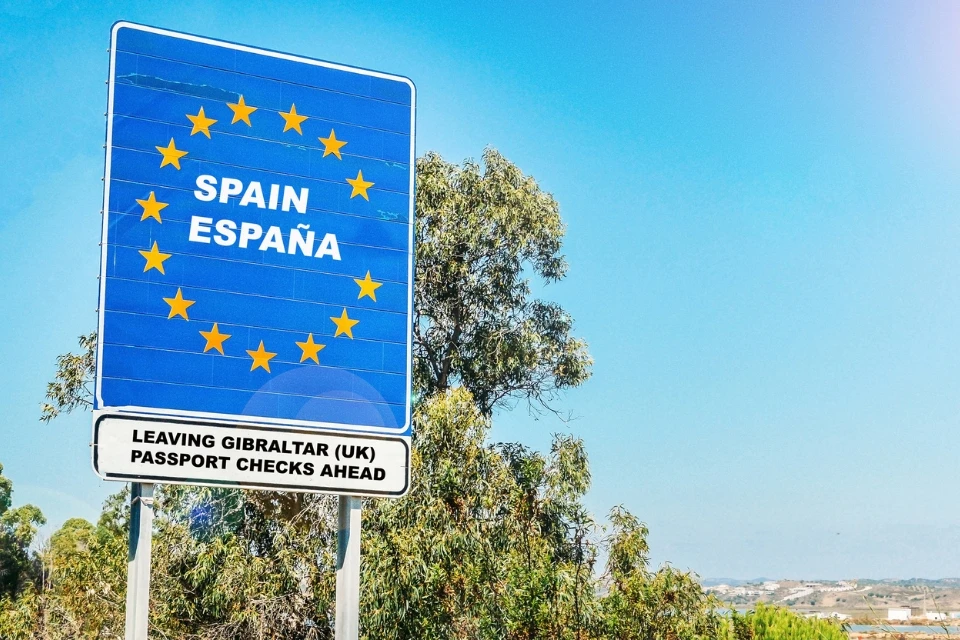
The deal tackles a frontier rooted in the 1713 Treaty of Utrecht, when Gibraltar was ceded to the British Crown and Spain kept disputing sovereignty. The dispute also covers the isthmus and adjacent waters, which the EU briefing says were never formally ceded, leaving the core question of sovereignty unresolved even as the physical fence is due to disappear.
Spain’s foreign ministry said the treaty keeps its sovereignty position intact while opening the way to coexistence and shared prosperity. On the ground, Juan Franco, the mayor of La Línea, has been meeting cross-border representatives to discuss mobility, urban planning and traffic flows around the frontier, where even modest changes in controls can ripple through bus timetables, shop deliveries and the daily commute.

The economics of the border shifted again in June 2026, when Spain removed Gibraltar from its tax-haven blacklist. That move added to hopes of a broader thaw after years in which the frontier has been as much a political symbol as a practical checkpoint, and it put more weight on whether freer movement will translate into a lasting boost for the border economy.