Sports
Glasgow 2026 chief says scaled-back Games secured Commonwealth future
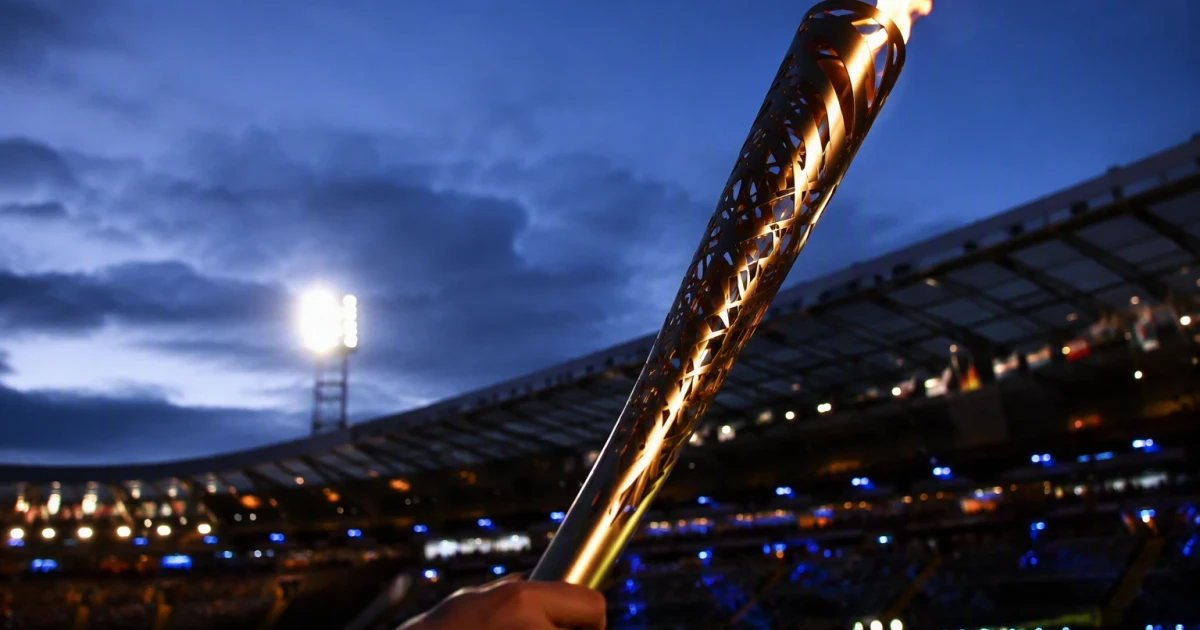
Glasgow’s scaled-back Commonwealth Games ended at the OVO Hydro on Sunday 2 August 2026 with fireworks over the River Clyde and a baton-and-flag handover to Amdavad, the Indian city that will host the 2030 Commonwealth Games. The closing ceremony brought down the curtain on a rescue act that has become the clearest test yet of whether the Games can survive by shrinking.
Glasgow stepped in after Victoria, Australia, withdrew as host because of rising costs, forcing Commonwealth organisers to rebuild the event around a smaller footprint. The 2026 programme was cut to 10 sports across four venues, with 215 gold medals on offer, down from 261 when Scotland last hosted the Games in 2014. That reduction was not cosmetic. It was the price of keeping the event alive.
Phil Batty, the Glasgow 2026 chief executive, said the city had “saved and reinvented” the Commonwealth Games and was “ready for next 100 years.” Commonwealth Sport president Donald Rukare said Glasgow’s work had “saved” the event and ensured it had a future. Those claims were made against a backdrop of months of concern over whether the Commonwealth model, long criticised for spiralling costs and oversized staging, could still command political and financial backing.
The smaller format also changed the machinery around the event. Glasgow House was unveiled in Glasgow city centre on 22 July 2026 as the team’s headquarters for the 11 days of competition, a sign that the effort to keep the Games viable was being run on tighter, more practical lines. Behind the scenes, a Glasgow 2026 Legacy Network was being developed with Commonwealth Sport, the Glasgow 2026 Organising Company, the University of the West of Scotland Centre for Culture, Sport and Events and Spirit of 2012, underscoring how much the new template leaned on legacy rather than scale.
India used the closing ceremony to frame what comes next. Its presentation highlighted the country’s cultural heritage and was described as launching the journey toward the centenary edition of the Games in 2030. For Amdavad, the baton passed on a model built in Glasgow: leaner, cheaper and politically easier to defend than the sprawling editions that almost pushed the Commonwealth Games off the stage.
Sources
- [1]bbc.co.uk
- [2]commonwealthsport.com
- [3]tribuneindia.com
- [4]thehindu.com
- [5]youtube.com
- [6]glasgow2026.com
- [7]ccse.uws.ac.uk