Entertainment
Glenn Close, Ridley Scott to receive honorary Oscars at Governors Awards
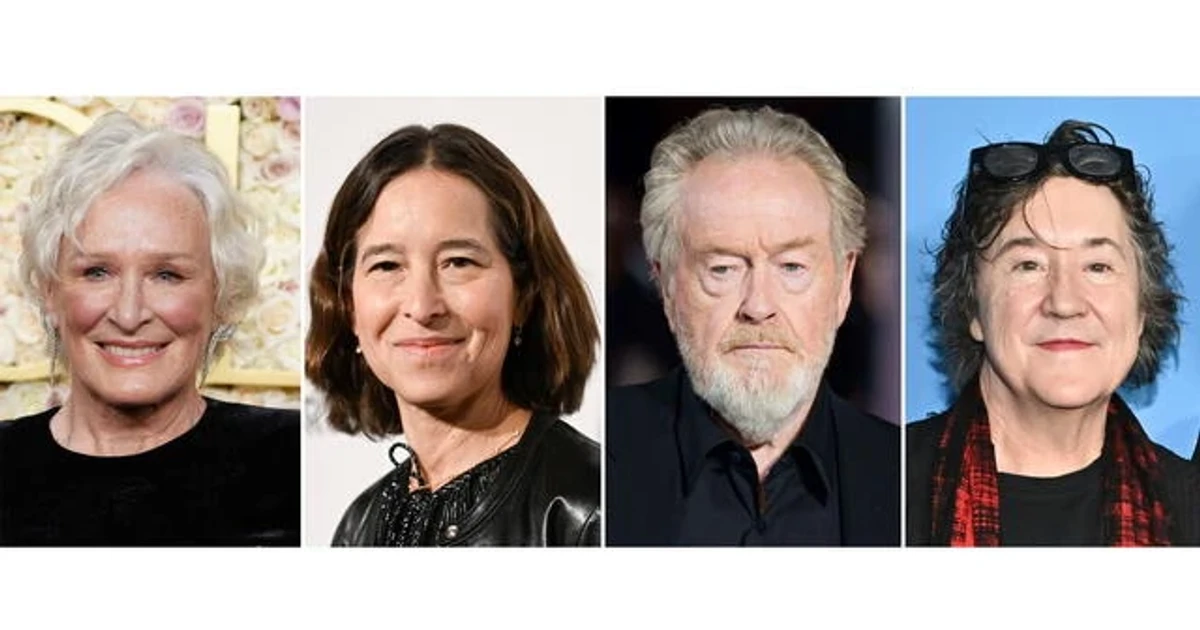
The Academy of Motion Picture Arts and Sciences has turned this year’s Governors Awards into a statement about memory, merit and missed chances. Glenn Close, Ridley Scott and animator Floyd Norman will receive honorary Oscars on November 15, 2026, a lineup that places three long-canonical careers under the same institutional spotlight.
The announcement, made June 10, also named producers Christine Vachon and Pamela Koffler for the Irving G. Thalberg Memorial Award. The Governors Awards are an annual Academy event, with recipients announced each summer and honored at a dinner gala before highlights are folded into the Academy Awards telecast. Presented in partnership with Rolex, the awards are designed to recognize career achievement rather than a single season’s work.
That distinction matters. The Honorary Award goes to artists singled out for extraordinary lifetime achievement, exceptional contributions to the motion picture arts and sciences of any discipline or outstanding service to the Academy. Under Academy rules, and except in extraordinary circumstances, no competitive Oscar winner may receive one. Current Academy governors are also ineligible, making the Governors Awards less a consolation prize than a formal correction, a chance for the institution to revisit the people it did not fully honor when the competitive races were open.
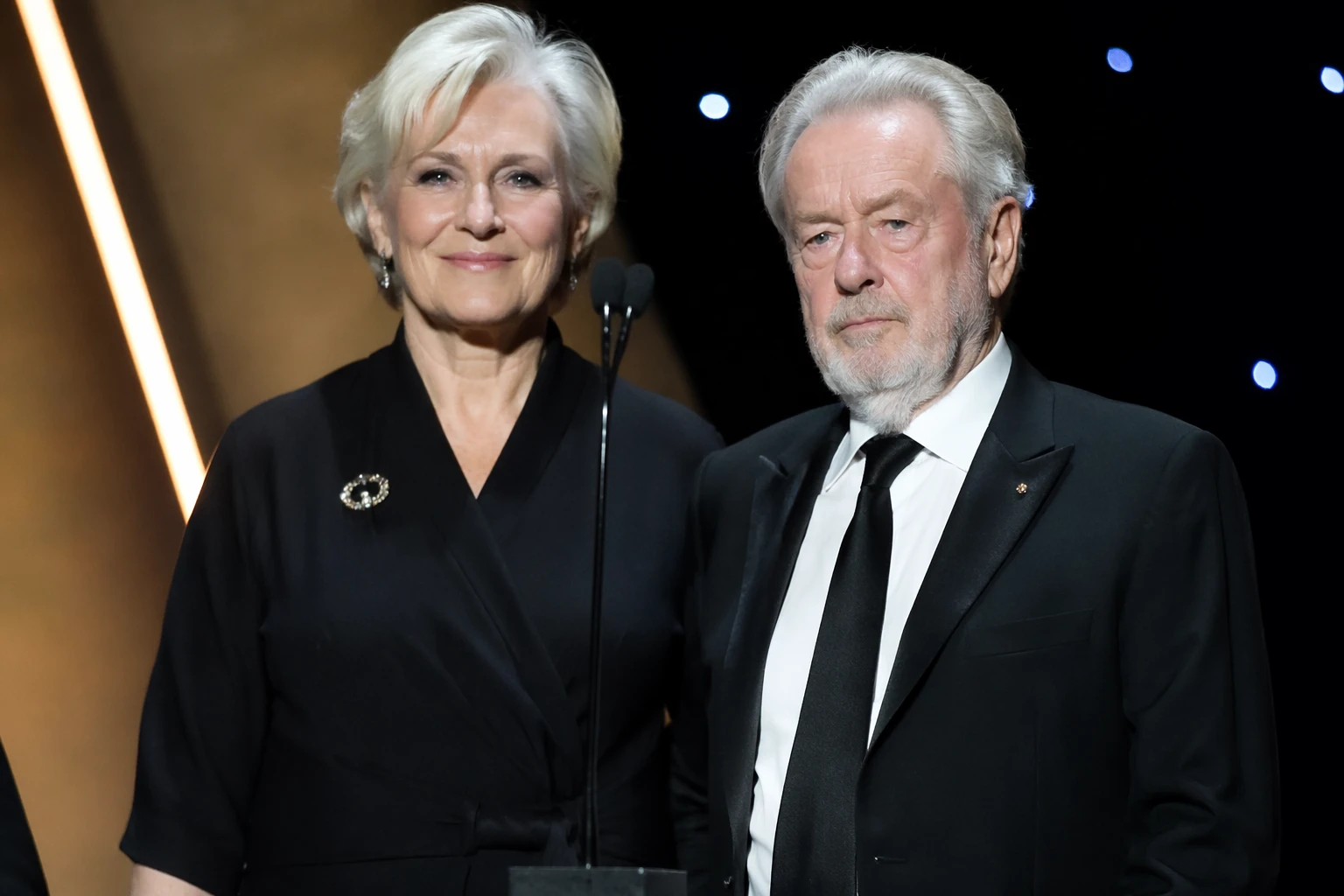
Close’s selection carries the sharpest emotional charge. The Associated Press noted that the eight-time acting nominee will finally take home an Academy Award, even if it is honorary rather than competitive. The Academy said her extraordinary body of work and emotional range brought some of cinema’s most complex characters to life. For years, her name has stood for the Academy’s uneasy habit of waiting until the story is almost over to give full recognition.
Norman’s honor reaches even deeper into the history of who gets counted. Disney describes him as one of its first Black animators, beginning in the late 1950s on Sleeping Beauty. His award lifts up a career that helped shape the medium while also pointing to the industry’s long pattern of overlooking foundational labor, especially work by Black artists whose influence was essential but often less visible to the public.
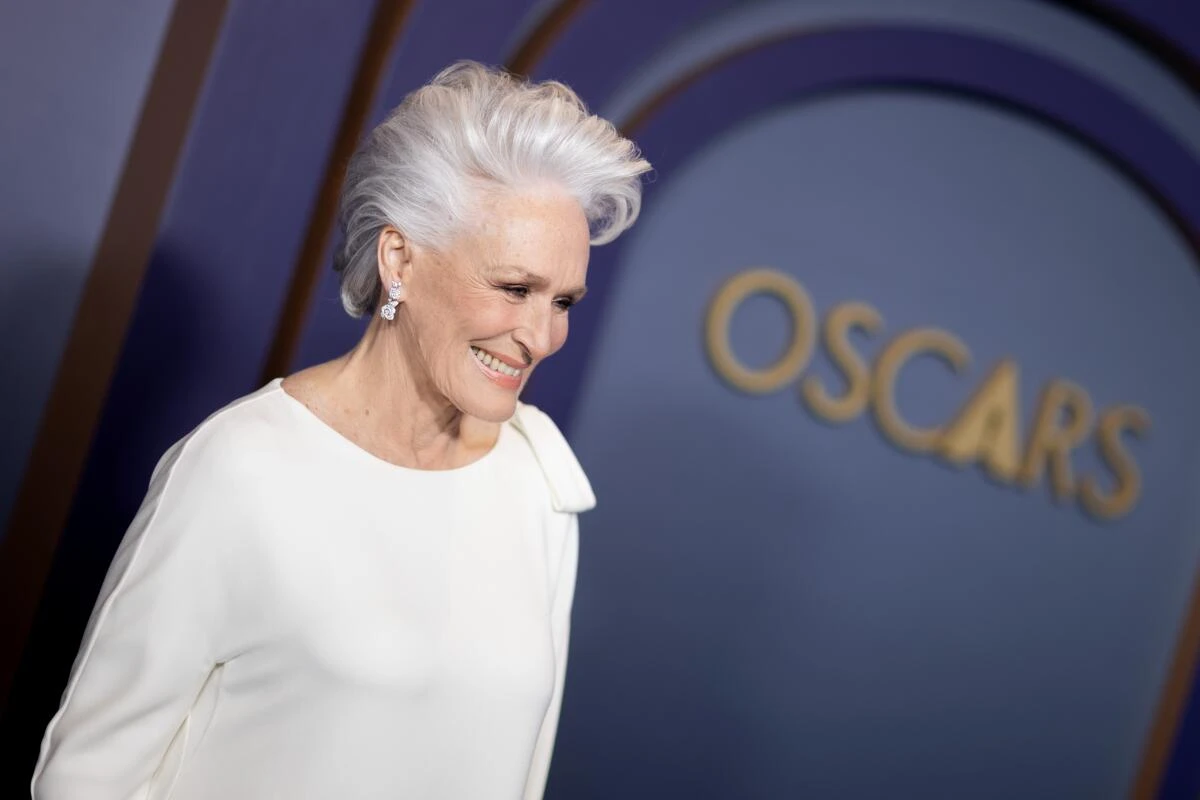
Scott’s recognition follows a long relationship with the Academy and another formal nod to a director whose films have shaped decades of popular and prestige cinema. Together, the choices suggest an institution trying to widen its frame, not by rewriting the past, but by acknowledging that Hollywood has often rewarded its giants late.