World
Global Affairs in Focus as World Events Unfold
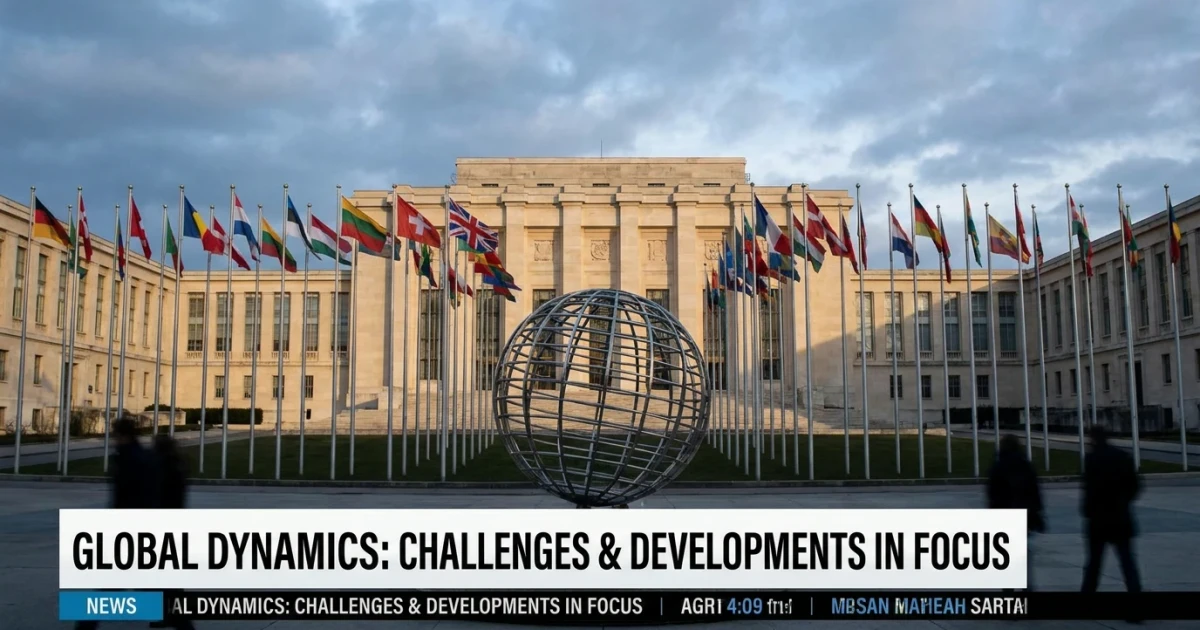
As the international landscape continues to evolve, ongoing events around the world are reshaping global affairs. While specific details were not provided in the recent 'What in the World?' feature by Foreign Policy, the title itself signals the complexity and interconnectedness of current international issues, from regional conflicts to economic transformations and humanitarian challenges.
Understanding Global Dynamics
Contemporary global affairs are influenced by a variety of factors, including economic growth, shifting GDP trends, and international migration. These elements combine to create a complex web of relationships among nations, often requiring coordinated diplomatic responses and multilateral cooperation.
Key Aspects of Current International Affairs
- Economic Trends: According to the IMF World Economic Outlook, global economic growth remains uneven, with some regions experiencing robust recovery while others face persistent challenges.
- Conflict and Security: Ongoing disputes and conflicts, as tracked by the Council on Foreign Relations' Global Conflict Tracker, continue to affect stability in several parts of the world.
- Refugee and Migration Issues: The UNHCR Refugee Statistics Database documents record numbers of displaced people, underscoring the humanitarian dimensions of global crises.
- International Trade: Trade flows and policies, available through the WTO International Trade Statistics, continue to influence economic relations and national strategies.
Challenges and Opportunities
While international challenges persist, such as conflict, humanitarian crises, and economic uncertainty, there are also opportunities for innovation, cooperation, and sustainable development. Global organizations and national governments are called upon to address these issues through diplomacy, aid programs, and policy reforms that aim to foster stability and prosperity.
Looking Ahead
The rapidly changing nature of global events requires ongoing analysis and adaptive responses. As new developments emerge, it remains crucial for policymakers, analysts, and the public to stay informed and engaged with credible sources. Readers interested in exploring deeper can access data-rich resources such as the World Bank's GDP statistics or the UN Population Division database for further context.
Ultimately, understanding 'what in the world' is happening requires cross-disciplinary insight and continual attention to the forces driving change on the international stage.