Business
Global automakers turn China into their EV innovation hub
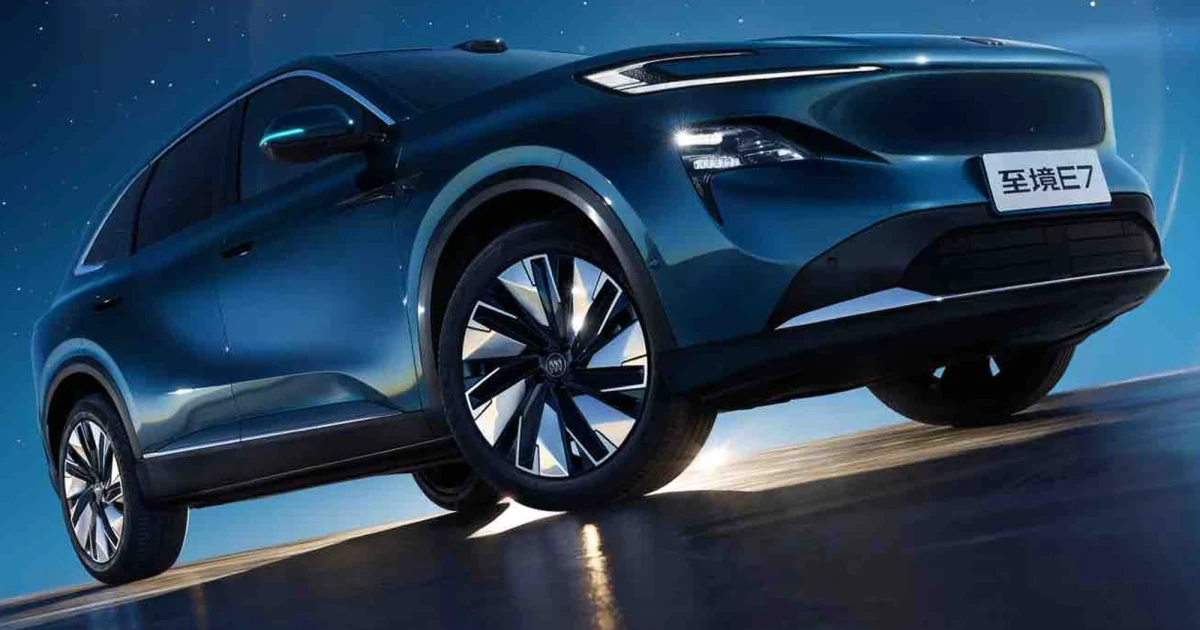
General Motors has turned a Buick nameplate into a China-built electric vehicle with enough momentum to top 10,000 sales in its first month on the market. The Electra E7 was developed entirely at GM’s technical center with local partner SAIC in China, and the company plans to export it to South Korea while reusing the same China-built platform for the next Cadillac Optiq. That is more than a product launch. It is a sign that the world’s biggest carmakers are now treating China not just as a production base, but as a place where future vehicles are conceived.
China is moving up the carmaking value chain
For decades, the standard model was simple: engineering decisions came from headquarters in Detroit, Wolfsburg or Paris, while China supplied scale, labor and market access. That hierarchy is now shifting. Reuters says GM, Volkswagen and Renault are giving Chinese engineers more autonomy, especially in electric powertrains, software and local product development, because the fastest-moving advances are increasingly coming from teams inside China.
That shift matters because it changes where know-how accumulates. When local teams shape the platform, the cockpit software and the driver-assistance systems, the market is no longer just buying cars assembled in China. It is helping define the vehicles themselves, including the features that can later travel to other markets.
The Electra E7 shows how far the reset has gone
The Buick Electra E7 is a clean example of the new arrangement. GM said in January 2026 that the E7 is the third model on its China-developed Xiaoyao platform, and that the car was being tailored to China’s demand for intelligent electrified vehicles. In other words, the platform, the product logic and the software direction all start from Chinese consumer preferences rather than being imported from a Western headquarters playbook.
The sales response gives that strategy immediate commercial proof. Reuters reported that GM sold more than 10,000 Electra E7s in May, the model’s first month on sale. For a foreign automaker in China, that is a rare milestone, especially in a market where domestic rivals move fast and update products aggressively. The fact that GM intends to send the car to South Korea and fold the China-built platform into the next Cadillac Optiq shows the development flow now runs outward from China as well as into it.
The real change is control over innovation
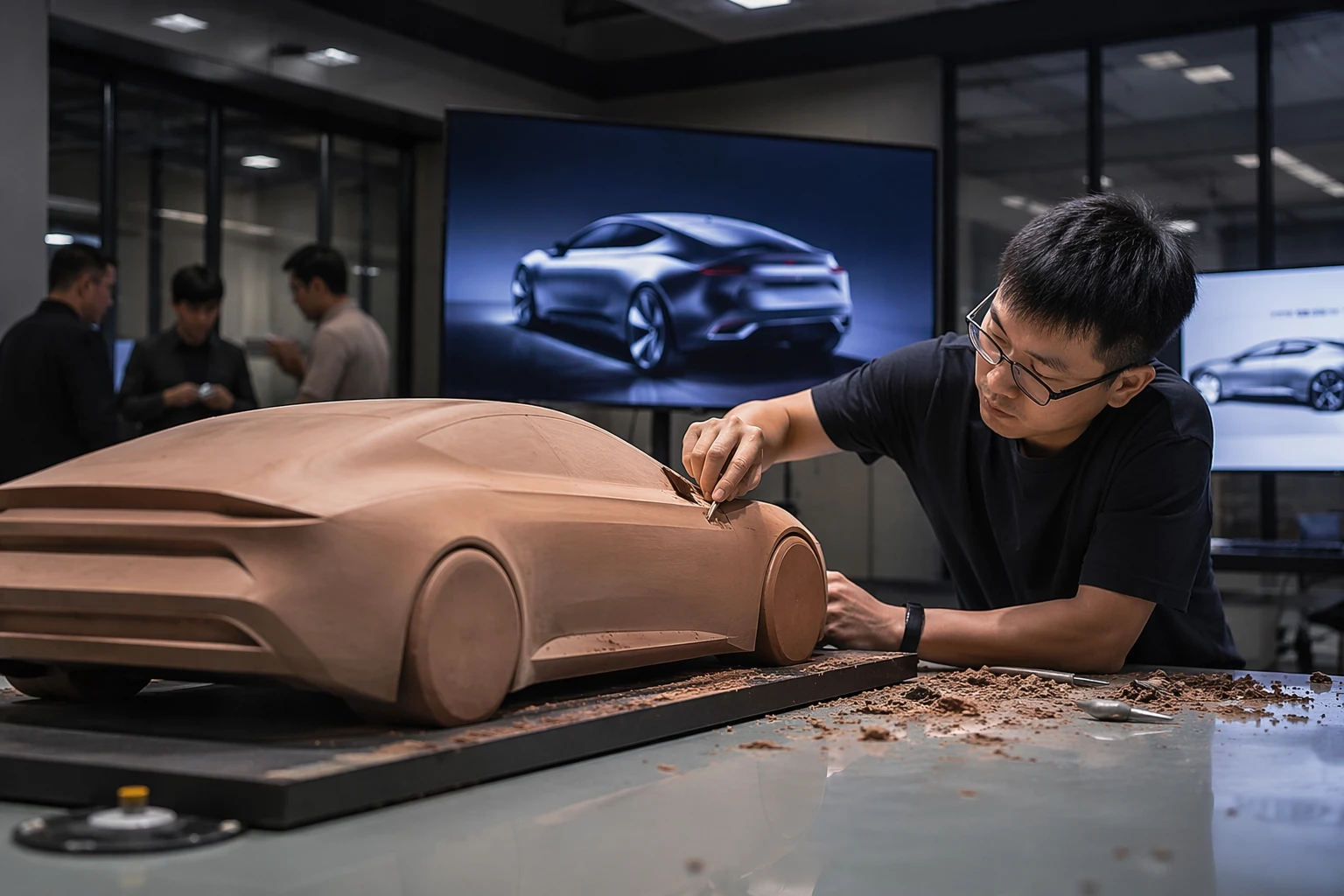
The deeper story is not simply that China is a big EV market. It is that the center of gravity for product decisions is shifting toward Chinese engineering teams, local supply chains and domestic software ecosystems. Christoph Ludewig, a former GM engineer turned analyst, captures that change in structural terms: headquarters are no longer calling all the shots.
That has practical consequences. Chinese teams are better placed to tune vehicles for local preferences on charging, infotainment, digital services and advanced driver assistance systems. They can also work inside a supply base that is built for speed, which helps automakers shorten design cycles and respond faster to rivals. Reuters-linked reporting in 2025 said Chinese automakers have cut development time to as little as 18 months for an all-new or redesigned model, a pace that pressures global brands to move much faster than they did in the old headquarters-led model.
GM’s China numbers show both opportunity and strain
The same market that is becoming an innovation engine is also forcing a hard reset. GM said its China sales rose 2.3% in 2025, the first increase there since 2018, a meaningful reversal after years of pressure. GM also said its China new energy vehicle sales reached nearly 1 million units in 2025 and accounted for more than half of its total China sales, underscoring how central electrification has become to its local business.
At the same time, GM disclosed a $1.1 billion charge tied to restructuring its China joint venture in early 2026. That charge is a reminder that the company’s China strategy is not a smooth expansion story. It is a costly reprioritization, with some legacy operations being pulled back even as new EV programs are being pushed forward. In market terms, GM is trying to shrink exposure where the old model is failing while expanding control where the new model is working.
Volkswagen and Renault are following the same logic
GM is not alone. Volkswagen has publicly said its “in China, for China” strategy is driving a major product offensive in the country. The company says every part of the line-up, from design and digital cockpit services to advanced driver assistance systems, is being tailored for Chinese customers. That is a direct admission that product development for the Chinese market is no longer a side project run from Europe.
Renault is part of the same broader pattern, with Reuters saying the company is among the legacy automakers giving Chinese engineers more freedom. The common thread is clear: global brands are increasingly relying on China not only because the market is large, but because the local ecosystem is fast, technically sophisticated and closely matched to the cadence of the EV race. The result is a world in which Chinese product teams can shape global roadmaps, not just domestic variants.
Why investors should read this as a power shift, not just a product story
The implications reach beyond one Buick or one platform. If China becomes the place where automakers develop powertrains, software and next-generation EV architectures, then the center of intellectual property moves with it. That can help Western and Japanese brands cut development time and stay competitive, but it also raises their dependence on Chinese teams, Chinese suppliers and Chinese demand.
This is the reversal at the heart of the story. China is no longer just where foreign automakers build cars cheaply. It is increasingly where they learn how to build the next ones. For investors, that means watching not only sales volumes in China, but where the industry’s core engineering decisions are being made, because that is where future margins, future exports and future control over innovation will be decided.
Sources
- [1]money.usnews.com
- [2]newswav.com
- [3]investor.gm.com
- [4]autonews.com
- [5]volkswagen-group.com
- [6]gmauthority.com
- [7]reuters.com