World
Global Coalition Backs Efforts to Reopen Strait of Hormuz
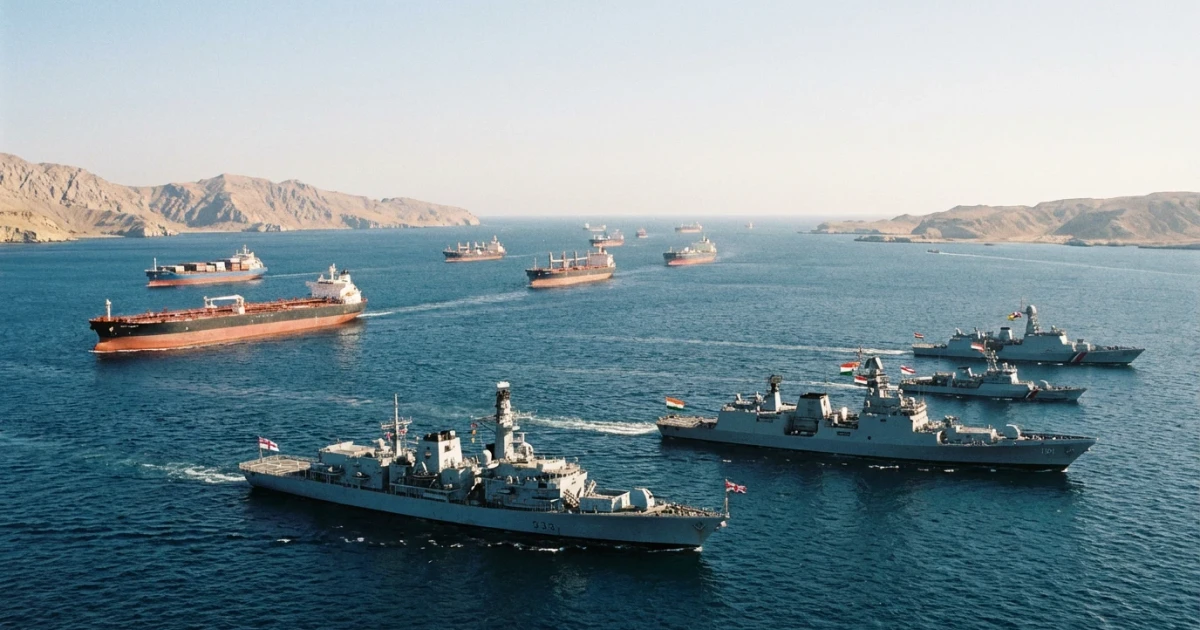
The United Kingdom hosted high-level talks on Tuesday with representatives from over 35 nations aimed at restoring security and reopening the Strait of Hormuz, a vital maritime chokepoint for global energy and trade. The meeting, which concluded with a joint pledge signed by 37 countries, underscores mounting international concern over disruptions in one of the world’s most important shipping lanes.
United Global Response to Maritime Security Threats
The talks, led by the UK and attended by major economies such as India, focused on developing a coordinated approach to restoring safe passage through the Strait. According to Reuters, the UK brought together more than 40 countries for discussions, while The Economic Times reported that 37 nations ultimately signed a joint pledge to cooperate on maritime security in the region.
- The Strait of Hormuz handles around 20% of global oil and LNG shipments, making its stability crucial for energy markets worldwide.
- Disruptions in this corridor have immediate impacts on shipping flows and commodity prices, affecting both producing and importing nations.
Pledge for Cooperation
As The Economic Times detailed, delegates from 37 countries—including G7 members, Gulf states, and major Asian importers—signed a pledge to work together on securing the Strait. The document calls for intensified intelligence sharing, joint naval patrols, and rapid-response mechanisms for commercial vessels facing threats.
Reuters noted that the UK, as host, played a central role in coordinating the talks and forging consensus on next steps. While specifics of the action plan remain confidential, the broad agreement signals a rare moment of unity across traditional security and economic rivals.
India’s Role and Broader Participation
India’s participation in the talks highlights the Strait’s importance for Asian economies. As The Economic Times reported, India relies heavily on Middle Eastern energy supplies shipped through the Strait of Hormuz. Officials emphasized the need for collective action to prevent economic fallout from any prolonged closure.
The involvement of countries from Europe, Asia, the Middle East, and the Americas reflects the Strait’s status as a critical global chokepoint. The UK-led initiative is also seen as a response to recent security incidents that have disrupted commercial shipping in the region.
Maritime Security Concerns and Global Energy Flows
Multiple sources, including the International Maritime Organization, have raised alarms about increased risks to vessels in the Strait. Research from Chatham House underscores that even temporary disruptions can lead to price volatility and supply chain uncertainties worldwide.
- The Strait sees the passage of approximately 21 million barrels of oil per day, according to the U.S. Energy Information Administration.
- Security incidents in recent years have prompted calls for increased international naval coordination and updated maritime regulations.
Challenges and Outlook
While the joint pledge is a significant diplomatic achievement, analysts caution that implementation will require ongoing coordination and trust among a diverse set of stakeholders. As The Economic Times noted, countries with differing political agendas will need to balance their interests to maintain effective security operations in the region.
Looking ahead, the coalition’s willingness to cooperate—and its ability to deter future threats—will be closely watched by both energy markets and commercial shipping operators. The UK’s continued leadership and the participation of major energy consumers like India and Japan suggest a sustained focus on ensuring the free flow of trade through one of the world’s most vital maritime passages.
For in-depth data on energy transit volumes, shipping statistics, and maritime security frameworks, readers can explore official sources and research reports for additional context.