World
Global Economic Outlook for 2026: Uncertainty Looms as Experts Warn of Weakness
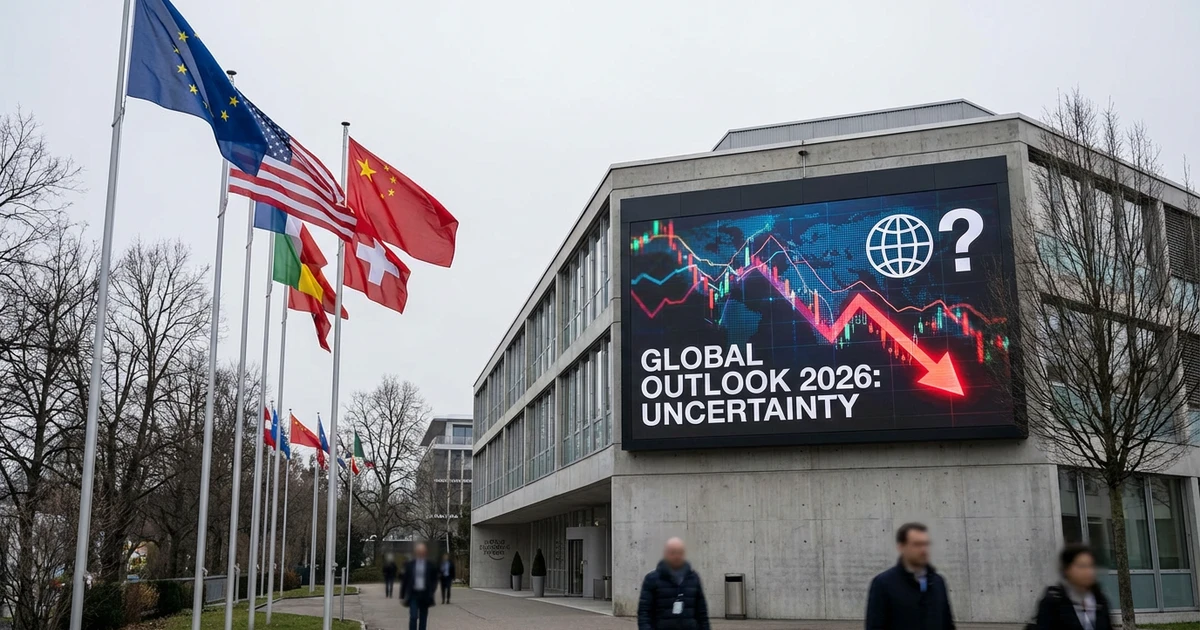
The global economy is entering 2026 under a cloud of uncertainty, with a new survey revealing that a majority of top economists anticipate ongoing weakness. According to The Economic Times, 53% of chief economists affiliated with the World Economic Forum (WEF) now expect the world economy to face significant challenges in the year ahead.
Key Findings: Economists Sound the Alarm
- 53% of surveyed WEF chief economists foresee economic weakness in 2026
- This marks a shift in sentiment compared to previous years, when expectations were more optimistic
- Concerns center around persistent inflation, geopolitical tensions, and sluggish growth in major economies
Drivers of Uncertainty
The survey results highlight a combination of factors fueling anxiety among economists and policymakers. The ongoing impact of inflation, particularly in developed markets, continues to pressure central banks and businesses alike. Geopolitical instability, including trade tensions and regional conflicts, adds to the unpredictability of global supply chains and investment flows.
Growth Concerns Across Regions
While some emerging markets show resilience, sluggish growth in major economies like the United States, the European Union, and China is causing ripple effects worldwide. The anticipated slowdown could have significant implications for employment, trade, and government budgets, with many countries already grappling with elevated debt levels and limited fiscal flexibility.
What This Means for Businesses and Policymakers
With a majority of WEF chief economists expressing caution, businesses may need to brace for continued volatility and adjust their strategies accordingly. Policymakers are likely to face tough choices as they balance efforts to stimulate growth with the need to contain inflation and address fiscal pressures.
Looking Ahead: Navigating an Uncertain 2026
Although the outlook may appear grim, the consensus among experts is not uniform—meaning opportunities for resilience and adaptation remain. As the global economy contends with uncertainty, close monitoring of key indicators and proactive risk management will be essential for both the public and private sectors. Stakeholders will be watching closely for signs of stabilization or further turbulence in the months ahead.