World
Global forced displacement falls for first time in a decade
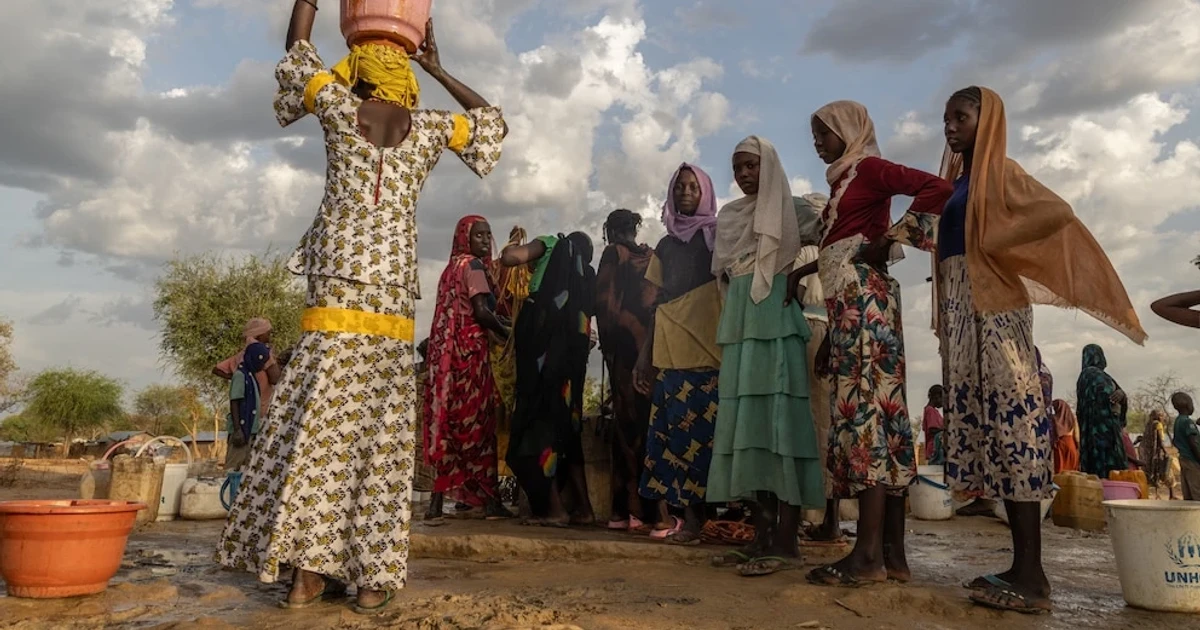
Global forced displacement fell in 2025 for the first time in a decade, but the drop was too small to change the scale of the crisis. UNHCR said 117.3 million people were forcibly displaced worldwide at the end of June 2025, down from 123.2 million at the end of 2024, a decline that reflects movement within a system still shaped by war, persecution and mass insecurity.
The agency’s mid-year figure covers people displaced by persecution, conflict, violence, human rights violations or events seriously disturbing public order. Even so, UNHCR said the total likely undercounts the true global burden because it includes internal displacement data from only 38 countries during the first six months of 2025. The broader trend remains grim: the United Nations refugee agency said the number of forcibly displaced people had risen for roughly a decade before the mid-2025 dip.
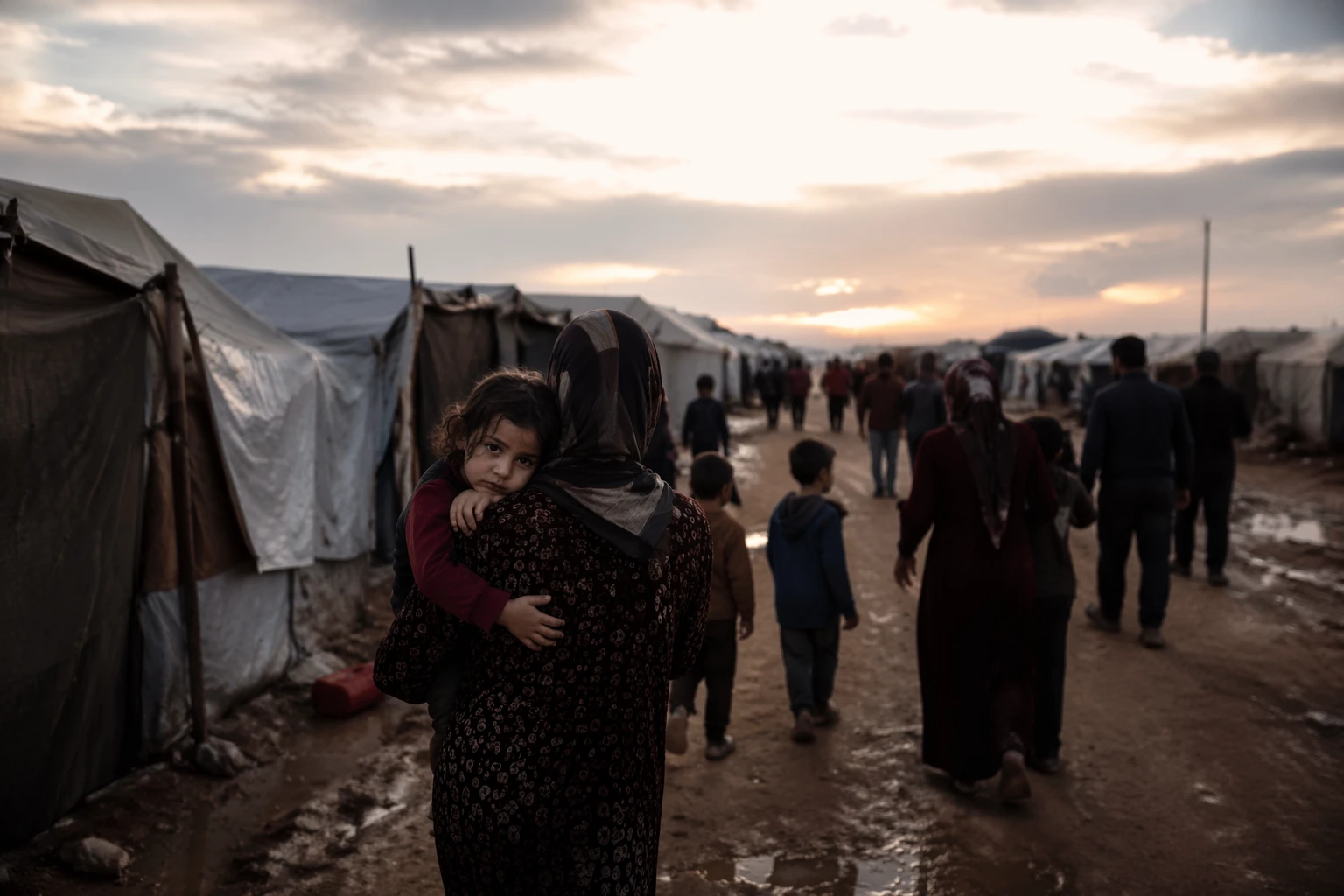
The biggest drivers have not gone away. UNHCR identified Sudan, Myanmar and Ukraine as major sources of displacement, and its 2024 Global Trends report highlighted sharp increases in internal displacement tied to escalating conflict in Sudan, Myanmar, Haiti, Ukraine and the Democratic Republic of the Congo. Sudan remained the largest displacement situation, with 13.4 million refugees, asylum-seekers and internally displaced people. At the end of 2024, 83.4 million people were internally displaced worldwide, underscoring how much of the crisis now unfolds inside national borders rather than across them.
There was one clear bright spot: more people returned home, especially in Syria. UNHCR said around 2 million Syrians had gone back after the fall of Bashar al-Assad’s regime in December 2024, including about 600,000 from neighboring countries. That return movement helped pull down the global total, but it did not erase the deeper pressures pushing families from their homes across several conflict zones.
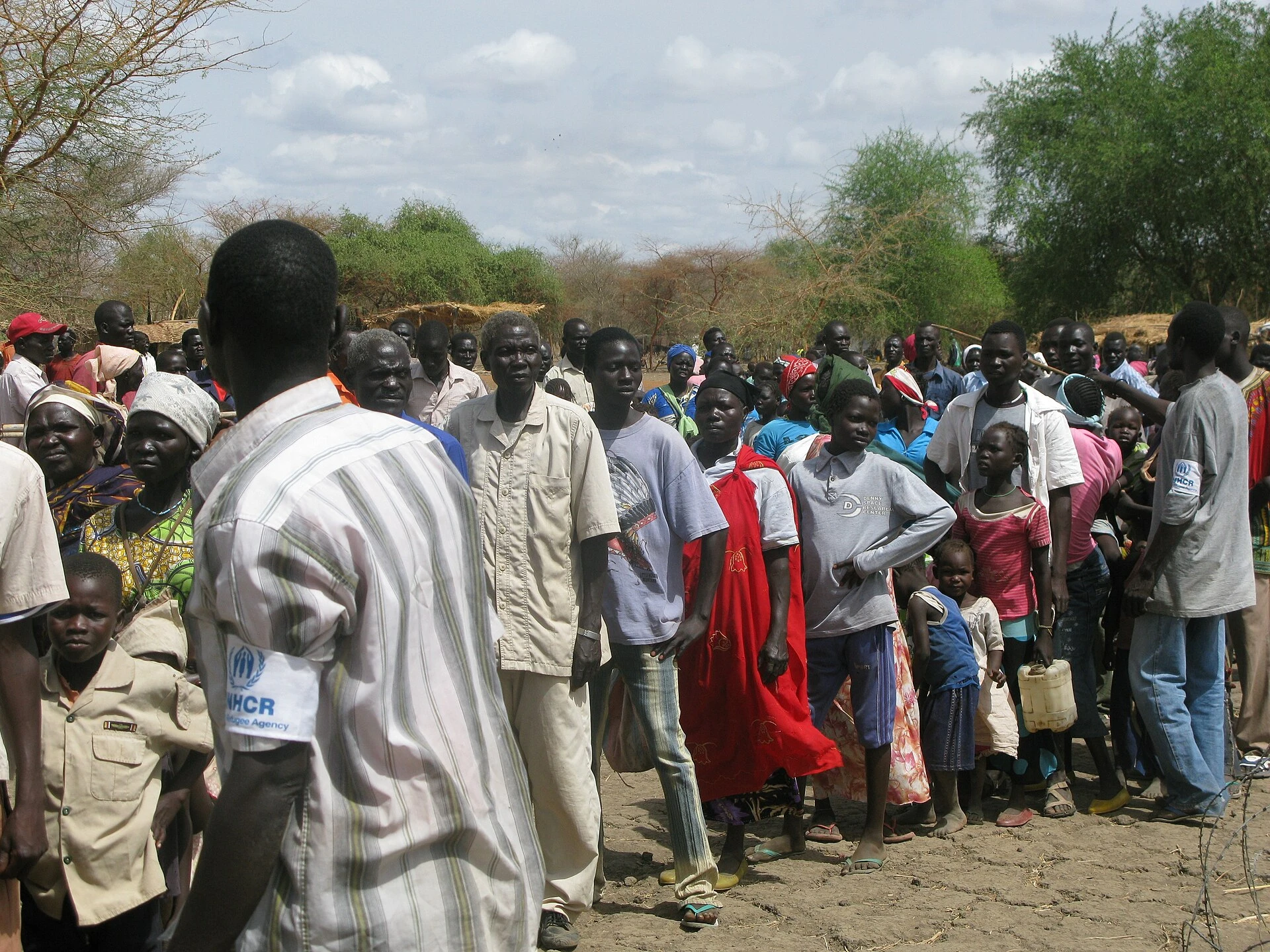
Filippo Grandi, the UN refugee chief, used World Refugee Day 2025 to warn that record numbers of men, women and children had been uprooted and that humanitarian aid cuts were threatening their ability to find safety and support. He called for stronger international solidarity and shared responsibility, especially from wealthier states, development banks and the private sector. The message was stark: a modest decline in the totals does not mean the world’s displacement crisis is easing in any meaningful way.
Sources
- [1]abcnews.com
- [2]unhcr.org
- [3]news.un.org