Business
Global Gas Prices Spike After Qatar LNG Plant Shutdown
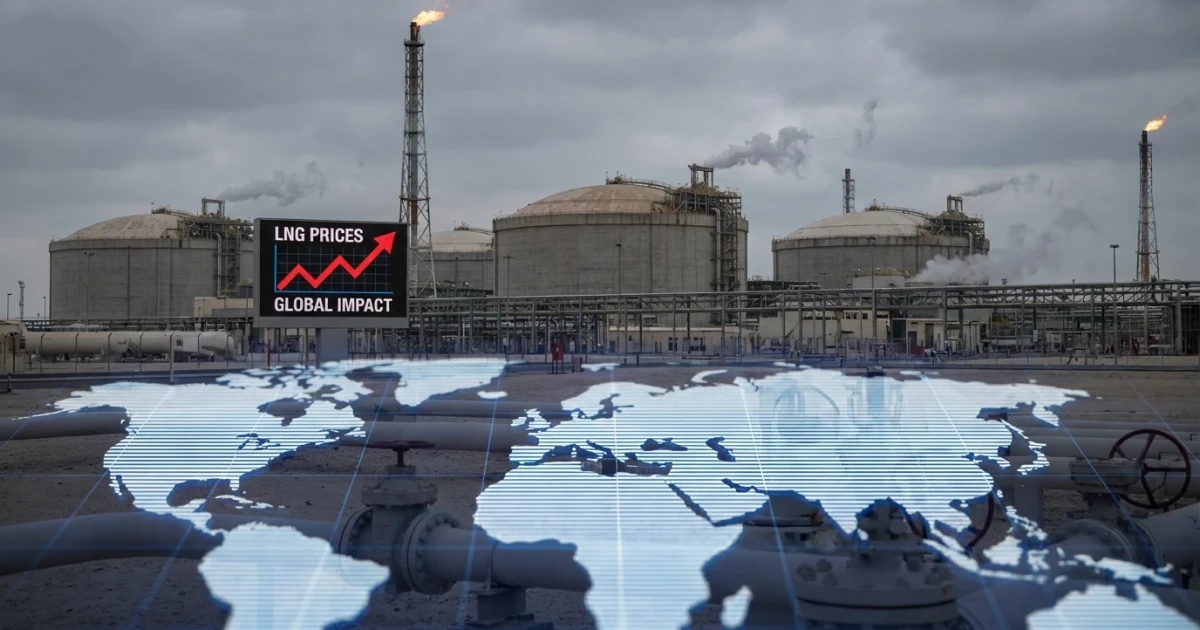
Natural gas prices surged worldwide after Qatar abruptly shut down the world’s largest liquefied natural gas (LNG) export plant, sparking immediate concerns about energy security and market volatility. The closure, reported by Bloomberg, follows escalating tensions and attacks in Qatar and neighboring Saudi Arabia, escalating fears that the Middle East conflict could further destabilize global energy supplies.
Impact on Global Gas Prices
The shutdown of Qatar’s main LNG export facility—the largest of its kind globally—sent natural gas prices sharply higher, with immediate effects felt in both European and Asian markets. According to Bloomberg, traders responded to the unexpected outage with a wave of buying, driving up spot and futures prices as markets scrambled to secure alternative supplies.
- Qatar is responsible for nearly 20% of global LNG exports, making its supply critical for energy importers across the world.
- The country’s flagship LNG plant, operated by Qatargas, produces more than 77 million tonnes of LNG per year, underpinning long-term contracts with major economies in Europe and Asia.
- Real-time data from Reuters and ICIS showed European and Asian LNG spot prices jumping by double digits within hours of the announcement.
Energy Security and Supply Chain Concerns
The sudden loss of Qatari LNG exports places added pressure on an already tight global natural gas market. With Europe still recovering from previous supply disruptions and Asian demand rebounding, the outage intensified fears of shortages and high prices heading into the next heating season.
Market analysts cited by Bloomberg noted that replacement volumes from other major exporters, such as the United States and Australia, are insufficient to fully offset Qatar’s output in the short term. Many importers are now seeking spot cargoes, further amplifying price volatility.
Geopolitical Tensions and Market Uncertainty
The broader context of the shutdown is the escalating conflict in the Middle East. Both Bloomberg and the Wall Street Journal highlighted a series of attacks in Qatar and Saudi Arabia that have drawn the regional energy sector into the ongoing unrest. The targeting of critical energy infrastructure raises concerns about the vulnerability of other export facilities and shipping lanes throughout the Persian Gulf.
As the world’s leading LNG exporter, Qatar’s operational stability is seen as a bellwether for the sector’s resilience. The BP Statistical Review of World Energy notes that more than half of global LNG trade passes through the region, magnifying the potential impact of further disruptions.
What’s Next for the Global Gas Market?
Energy experts warn that the duration of Qatar’s LNG plant shutdown will be key in determining the length and severity of market impacts. If repairs and security measures enable a quick restart, prices may stabilize; however, a prolonged outage could force utilities and industrial users to seek alternatives, from increased coal consumption to power rationing.
Governments and industry stakeholders are closely monitoring developments, with the Federal Energy Regulatory Commission and other agencies examining potential knock-on effects for U.S. natural gas exports and global trade flows.
Conclusion
The abrupt closure of Qatar’s largest LNG export plant underscores the interconnected nature of global energy markets and the risks posed by geopolitical instability. As traders and governments scramble to adapt, the episode highlights the urgent need for diversified supply chains and robust contingency planning in the energy sector.