World
Global Human Rights Challenges Highlighted in April 2026 Reports
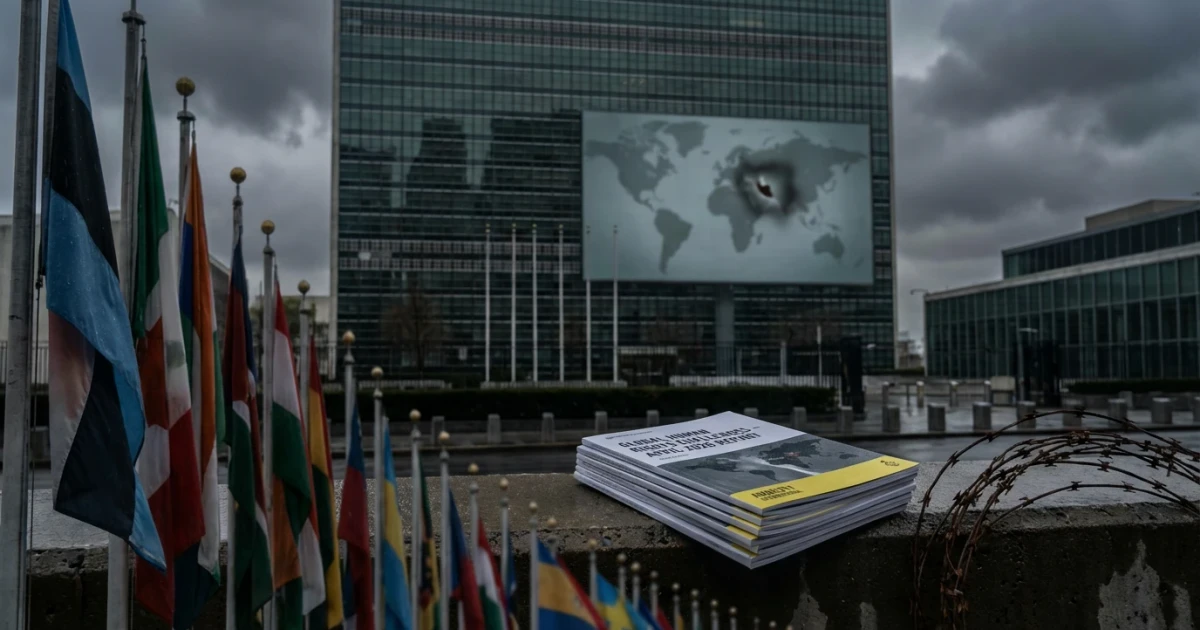
Recent reports from Amnesty International and leading historians offer a sobering look at the state of human rights in April 2026, detailing persistent challenges—from state crackdowns in Iran to rising authoritarian pressures in democracies worldwide. As activists and international organizations mark key developments, the findings underscore both ongoing abuses and the importance of global scrutiny.
Amnesty International’s Annual Human Rights Overview
Amnesty International’s 2026 State of the World’s Human Rights report paints a broad and often troubling picture. The global watchdog details how, despite some progress in select regions, fundamental rights remain under threat in dozens of countries. The report highlights:
- Escalating crackdowns on freedom of expression and assembly in several states, including recent mass arrests and internet restrictions.
- Rising numbers of political prisoners and reports of torture, especially in nations experiencing political unrest.
- Persistently high rates of extrajudicial killings and enforced disappearances, with limited mechanisms for accountability.
- Ongoing discrimination and violence targeting marginalized groups, documented through UN-backed statistics on gender and ethnic disparities.
Amnesty International’s data-driven approach reveals that, while some governments have enacted reforms, others have doubled down on repression, particularly in response to protests or demands for greater transparency.
Spotlight on Iran: Crackdowns and International Attention
Iran remains a central focus in both Amnesty International’s analysis and in updates from academic observers. The April 21, 2026 "Letters from an American" newsletter, referencing the latest developments, draws attention to intensified state actions in the wake of renewed protests. According to both sources, the Iranian government has:
- Increased security force deployments in major cities to deter public gatherings.
- Detained activists and journalists, with human rights monitors reporting arbitrary arrests and limited access to legal representation.
- Maintained restrictions on internet access, limiting the flow of information and hindering international monitoring efforts.
These measures echo patterns seen in previous years, but Amnesty International notes a worrying uptick in documented human rights violations, including expanded use of the death penalty and harsh sentencing for dissent. The watchdog organization’s April report cites hundreds of cases where due process was ignored, and calls for intensified global advocacy.
Democratic Pressures Beyond Iran
The "Letters from an American" analysis, authored by historian Heather Cox Richardson, places current events within a broader context of democratic strain. The newsletter points out that, while Iran’s situation is acute, other democracies are also experiencing pressure:
- Increased polarization and political violence in several countries, as highlighted by Amnesty International’s country-by-country statistics.
- Attempts to curtail judicial independence and restrict the press, especially in states undergoing contested elections.
- New legislative measures restricting civil liberties, which Amnesty attributes to fears of instability and global insecurity.
Richardson’s newsletter echoes Amnesty’s findings, warning that the erosion of checks and balances can lead to rapid deterioration in rights protection. Both sources emphasize the importance of international attention, civil society advocacy, and the role of independent media in holding governments accountable.
Calls for Action and Future Outlook
Amnesty International’s 2026 report concludes with recommendations for both governments and the international community. These include strengthening mechanisms for human rights monitoring, supporting organizations that document abuses, and ensuring accountability through international law. The Just Security: Early Edition further provides a curated roundup of official statements and legal filings, underscoring a need for sustained engagement by the United Nations and regional bodies.
Looking ahead, analysts warn that, without coordinated international pressure and support for activists on the ground, rights violations may intensify in the coming year. However, both Amnesty and Richardson’s newsletter highlight the resilience of civil society actors who continue to demand justice, often at great personal risk.
For those seeking detailed data or country-specific updates, Amnesty’s interactive annual report and the OHCHR human rights database offer extensive resources for further exploration.