World
Global Leaders Respond to US Strikes and Capture of Maduro
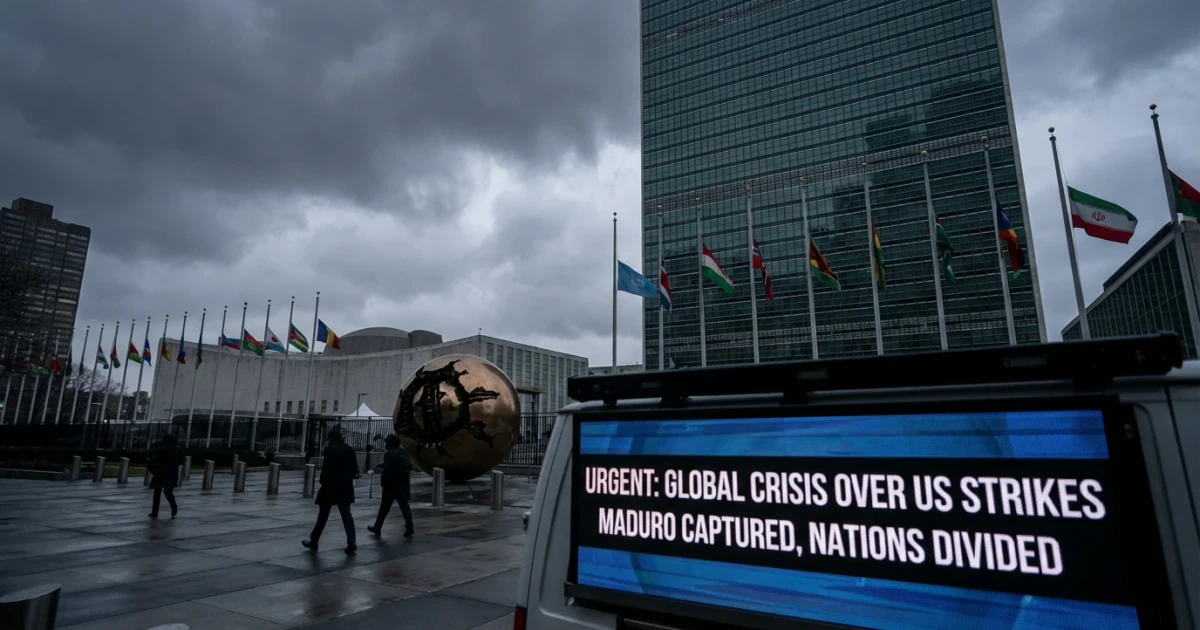
Global reactions intensified this week following US military airstrikes in Venezuela and the reported capture of President Nicolás Maduro. The unprecedented intervention has drawn condemnation, concern, and calls for restraint from governments and international organizations worldwide, according to reports from Reuters and Al Jazeera.
International Condemnation and Calls for Restraint
Following the US military action, a cascade of world leaders voiced alarm over both the airstrikes and the abrupt removal of Venezuela’s head of state. Multiple governments across Latin America, Europe, Asia, and Africa issued statements warning of the potential for further destabilization in the region. Several countries, including Russia, China, and Iran, sharply criticized the US, describing the intervention as a violation of international law and Venezuelan sovereignty. The United Nations Security Council convened an emergency session to discuss the situation, underscoring concerns about escalation and civilian safety.
- Reuters noted that the European Union called for restraint and emphasized the importance of returning to diplomatic solutions.
- Al Jazeera reported that regional groups such as the Community of Latin American and Caribbean States (CELAC) and the African Union urged respect for sovereignty and non-intervention principles.
Latin American neighbors, including Mexico, Brazil, and Argentina, expressed deep unease about the US action, warning of possible humanitarian fallout and urging dialogue to resolve the crisis. The Organization of American States (OAS) highlighted the need to protect civilians and abide by established international protocols.
US Justification and International Debate
While the US government has yet to release a comprehensive statement justifying the strikes or detailing Maduro’s detention, American officials cited ongoing human rights violations and threats to regional stability as primary motivators, according to multiple news outlets. The US maintains that its actions were intended to support the Venezuelan people and restore constitutional order.
However, the strikes and Maduro’s capture have ignited legal and moral debates among global policy experts. Background analysis from the Council on Foreign Relations emphasizes the complexity of external intervention in Venezuela’s crisis, with a history of contested elections, economic collapse, and mass migration. International Crisis Group reports highlight that previous US sanctions and diplomatic efforts have had limited effect on governance reforms, making this military escalation particularly contentious.
Humanitarian Concerns and Regional Impact
Both Reuters and Al Jazeera underline widespread fears about the humanitarian impact of the strikes. Venezuela has faced years of economic and social turmoil, with millions fleeing the country and acute shortages of food, medicine, and basic services. Human Rights Watch and other organizations have documented extensive abuses under Maduro’s government, but also warn that military action could further imperil civilians and exacerbate the refugee crisis.
- Al Jazeera highlighted that aid agencies requested safe corridors for humanitarian access and increased international support for displaced Venezuelans.
- Reuters noted that border countries such as Colombia and Brazil braced for potential surges in refugees.
Global Divisions and Next Steps
The US-led operation has deepened divisions within the international community. Some American allies expressed cautious support, emphasizing the need to uphold human rights and democratic principles, while others cautioned that unilateral military action sets a dangerous precedent. Russia and China threatened to bring the matter before the UN General Assembly, seeking a formal rebuke of US conduct.
Analysts referenced by Al Jazeera and Reuters agree that the coming days will be critical, as the world awaits further details on Maduro’s status, the fate of Venezuela’s government, and any additional US military involvement. Continuing coverage will focus on diplomatic negotiations, humanitarian developments, and the evolving security landscape in the region.
For readers seeking in-depth data and analysis on Venezuela’s crisis, US-Venezuela relations, and international sanctions, additional resources include the International Crisis Group’s Venezuela reports, the Congressional Research Service backgrounder, and the Human Rights Watch World Report.
As global leaders debate the legitimacy and consequences of the US intervention, the Venezuelan people remain at the center of an unfolding crisis with profound implications for regional stability and international law.