World
Global LNG trade hits record, but Middle East conflict threatens growth
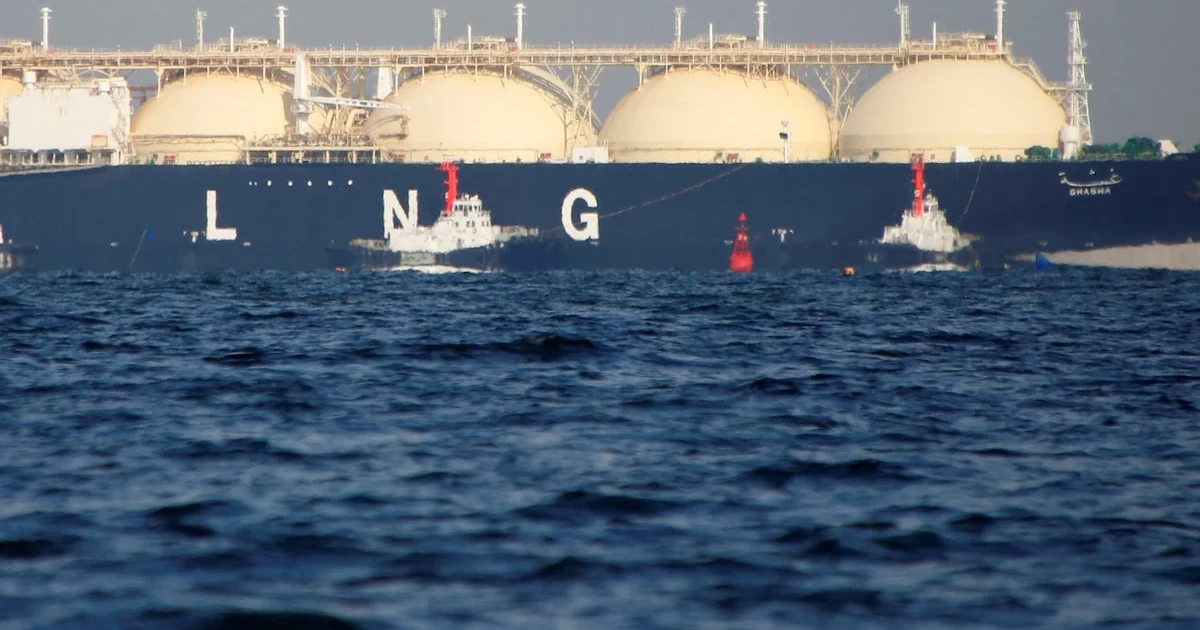
Global liquefied natural gas trade hit 437 million tonnes in 2025, a record and a 6.3% increase from the year before. Conflict in the Gulf could slow that momentum in 2026. Strong U.S. exports and higher European buying powered the market’s latest surge, even as demand weakened in parts of Asia.
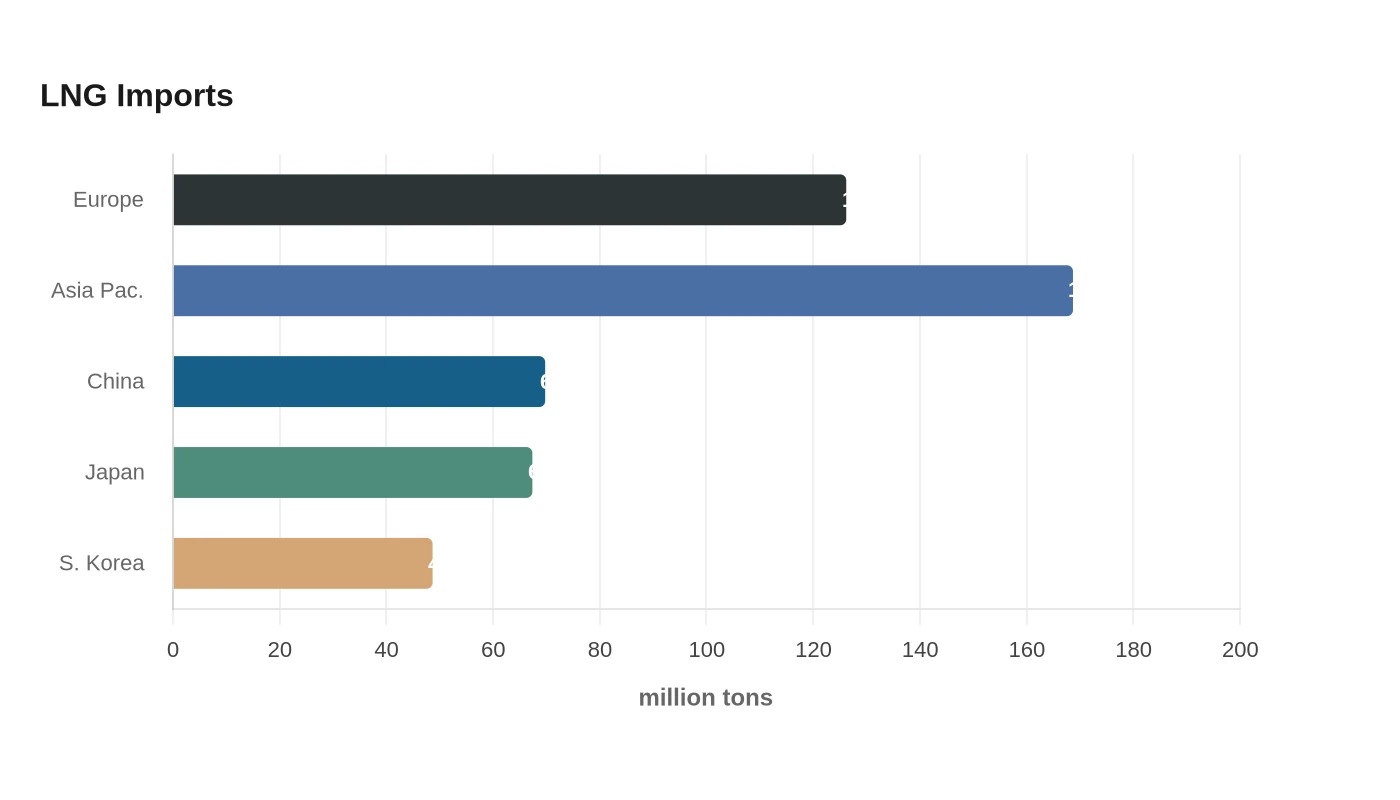
LNG imports in Europe climbed to 126.2 million tons, up 26.1 million tons from 2024, as buyers replenished inventories and replaced lower Russian gas flows. Asia Pacific remained the largest importing region at 168.7 million tons, but imports across Asia fell 9.2 million tons. China imported 69.77 million tons, down 8.9 million tons from a year earlier, while Japan held second place globally at 67.37 million tons and South Korea increased purchases to 48.67 million tons.
Andrea Stegher, the IGU president, said conflict in the Gulf had damaged LNG infrastructure, clouded the outlook for regional expansion projects and exposed Asian buyers to supply uncertainty and higher prices. The IGU’s 2026 World LNG Report put Chinese LNG re-exports up 45.8%.
The IGU’s 2026 World LNG Report put investment in new LNG supply at its highest level in six years, and Canada and the Mauritania-Senegal project joined the ranks of LNG-exporting nations for the first time. The United States remained the top exporter at 110.74 million tons, ahead of Qatar and Australia. The European Union has adopted a regulation to phase out Russian gas imports, with LNG imports due to be phased out by the end of 2026 and pipeline gas by late 2027. The International Energy Agency expects global LNG supply growth to accelerate further in 2026, but geopolitical tensions and weather could still keep prices volatile.
Sources
- [1]uk.finance.yahoo.com
- [2]igu.org
- [3]consilium.europa.eu
- [4]iea.org