Business
Global markets edge up as traders await Warsh’s Fed debut
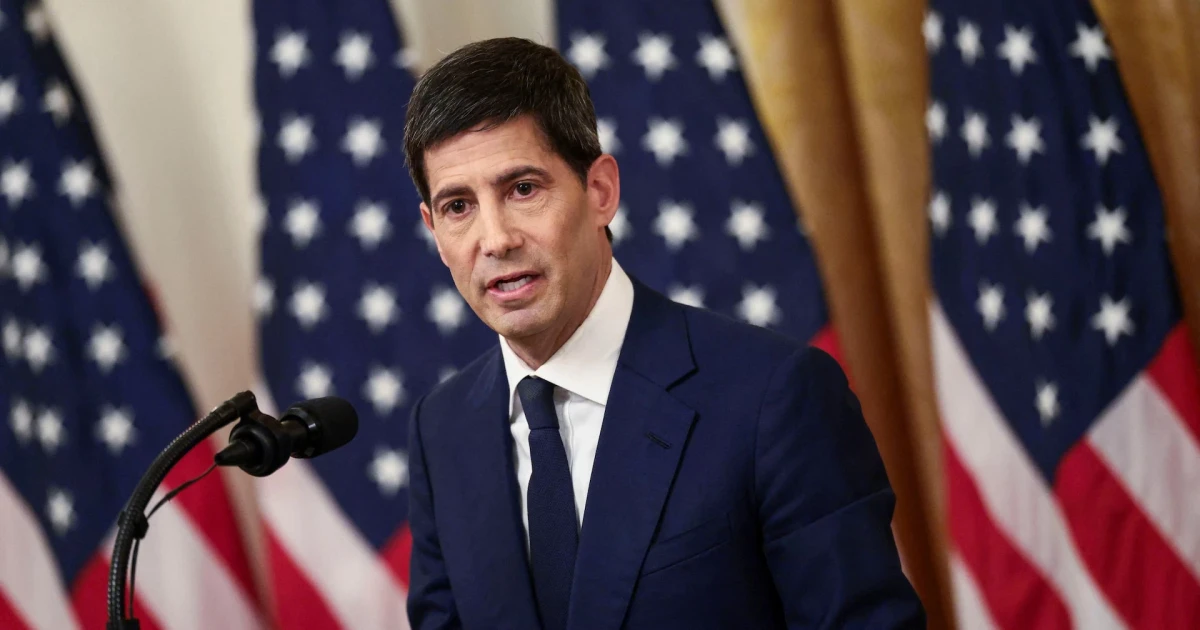
Stocks edged higher and oil hovered near three-month lows as traders waited for Kevin Warsh’s first appearance as Federal Reserve chair, a mix that kept the mood cautious but gave markets a modest lift. Brent crude fell as low as $77.75 a barrel and was last around $79.29, more than a third below its April peaks, while U.S. Treasury yields sat about 22 basis points under their May high.
The Federal Reserve held its benchmark rate unchanged at 3.5% to 3.75% and signaled that policy could still tighten later in the year, with nine of 18 policymakers seeing at least one rate increase in 2026. Warsh did not submit a personal dot and instead launched five task forces on Fed operations, policy communication, the balance sheet, data sources, productivity and jobs, and artificial intelligence and other transformative technologies. That first-day setup mattered because investors were looking for clues about how a new Fed leadership style might shape inflation guidance, rate expectations and the tone of policy itself.
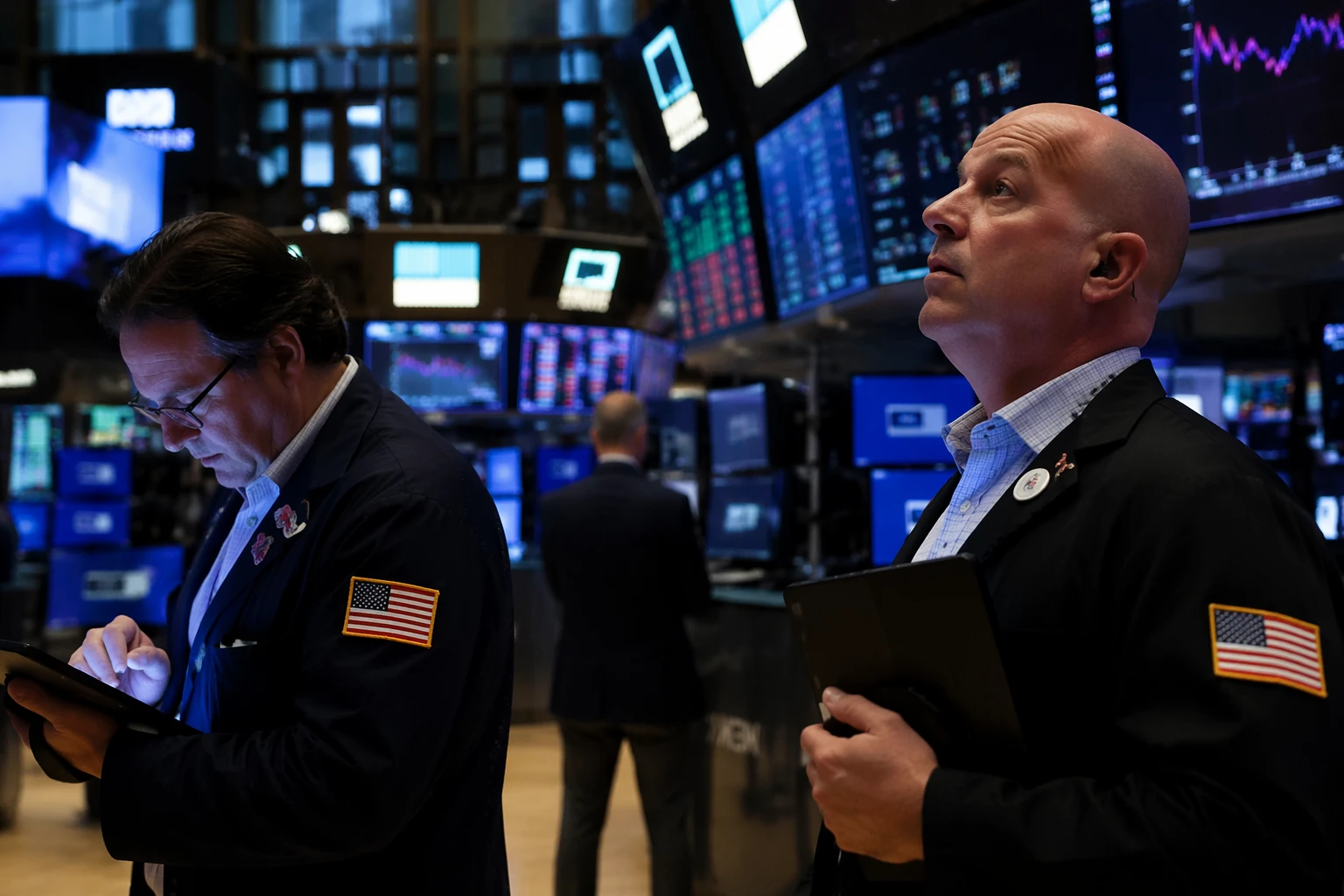
Oil’s slide was doing much of the work behind the scenes. U.S. and Iranian officials were preparing to sign an interim peace deal that could allow tankers trapped in the Strait of Hormuz to leave, adding to the prospect of extra supply. Westpac economist Luka Belobrajdic said Iran’s total exports could approach about 2% of global demand, though sanctions relief would not be immediate. The International Energy Agency expects the oil market to move into a significant supply surplus in 2027 after recovering from the closure of the strait, while U.S. oil reserves were at their lowest point since 1983 after a three-month stranglehold on the waterway.

The bond market took the signal quickly. German 10-year yields fell to their lowest level since early April, euro-zone government bonds rallied for a fifth straight day and British yields dropped sharply after UK May inflation unexpectedly held at 2.8%, a 13-month low. Lower oil prices are easing inflation pressure, and that matters far beyond trading desks: softer energy costs can help keep borrowing costs in check, support stock valuations and eventually show up in cheaper fuel if the crude move lasts. For households deciding whether to refinance, invest through retirement accounts or budget for summer driving, the key question is whether this lower-oil, lower-yield pattern can outlast the latest political and policy shock.
Sources
- [1]msn.com
- [2]lse.co.uk
- [3]bloomberg.com
- [4]cnbc.com
- [5]usnews.com