Business
Global Markets Face Uncertainty as Conflict Escalates
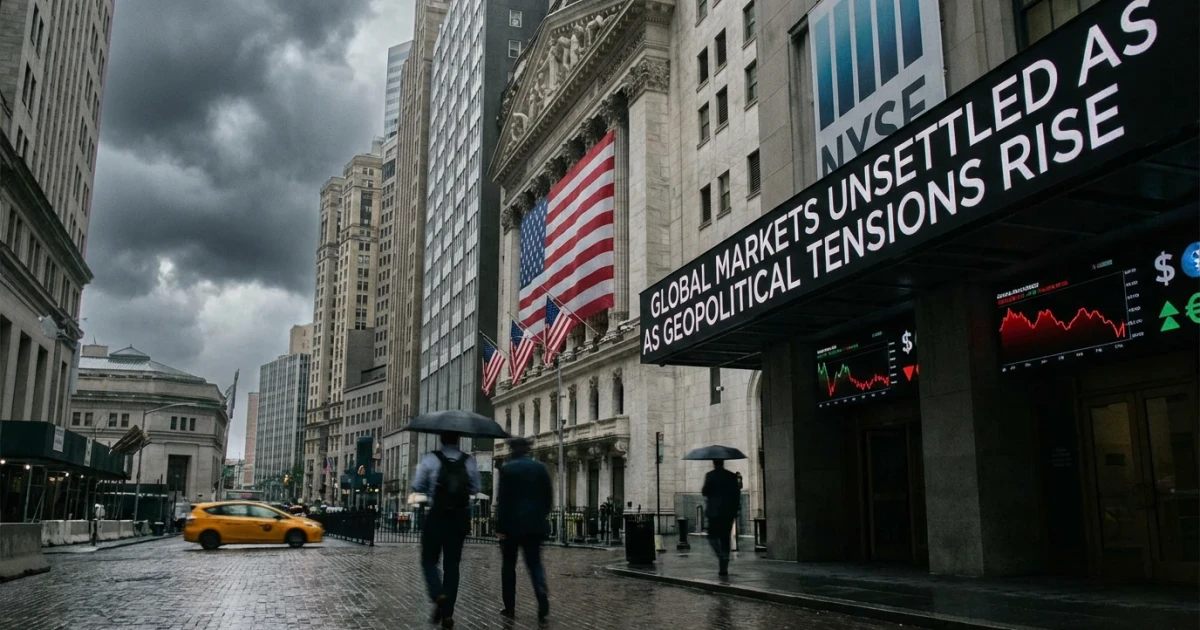
Global stock markets are on edge as geopolitical conflict intensifies, with traders worldwide preparing for what could be a highly volatile market open. After a late-night ultimatum from former U.S. President Donald Trump to Iran, stock futures remained largely unchanged, but the underlying sentiment is one of caution and uncertainty.
Markets Hold Steady but Volatility Looms
According to Bloomberg, E-mini S&P 500 futures saw little movement in after-hours trading, as investors weighed the potential impacts of escalating tensions in the Middle East. The market's muted response comes after Wall Street endured a four-week losing streak, amplifying concerns about risk exposure going into the new trading week. For those seeking up-to-the-minute numbers, live E-mini S&P 500 futures data provides insight into investor sentiment as events unfold.
- Stock futures were little changed after Trump's statement, suggesting a wait-and-see approach by investors.
- Wall Street is coming off a significant downturn, with major indices trying to break a four-week slide.
Geopolitical Risks Heighten Market Jitters
The ongoing conflict and the direct involvement of the U.S. have raised alarms across global financial centers. Analysts note that sudden escalations or diplomatic developments could trigger sharp moves in equities, commodities, and currencies. The CBOE Volatility Index (VIX), often referred to as the market's "fear gauge," is closely watched for signs of investor anxiety. While the VIX held steady in the immediate aftermath, its recent trajectory underscores heightened market sensitivity to geopolitical headlines.
Bloomberg also pointed out that investors are closely monitoring global stock benchmarks. For a broader view of how world stock market indexes are responding to the crisis, readers can track real-time shifts and sector breakdowns.
Wall Street Seeks Stability Amid Four-Week Slide
Market participants are hoping for a rebound after weeks of losses. Bloomberg reported that Wall Street is looking to snap a four-week slide, with many investors rebalancing their portfolios in response to the persistent volatility. The ongoing uncertainty has led to increased hedging activity, as traders try to protect against further downside risks.
- Investors are watching for central bank statements or policy shifts that could help calm markets.
- Defensive sectors, such as utilities and consumer staples, may see increased interest if risk aversion grows.
Looking Ahead: Key Indicators to Watch
As the situation develops, several indicators will be critical for assessing market direction:
- Futures trading volumes—High volume could signal increased conviction among traders.
- VIX levels—A surge in volatility would indicate growing fear and potential for sharp price swings. Track real-time and historical VIX data on the official Cboe VIX page.
- Global index performance—For ongoing updates on major global indices, visit Investing.com's major world indices.
With the geopolitical landscape evolving rapidly, market participants will be watching for any signs of de-escalation or further escalation. The coming days are likely to test the resilience of both investors and global markets.
For a deeper dive into how current events may impact the world economy, the IMF's World Economic Outlook provides comprehensive analysis on risks and global growth projections.