US News
Global Monkeypox Update: How the Outbreak Is Shaping Health Measures Worldwide
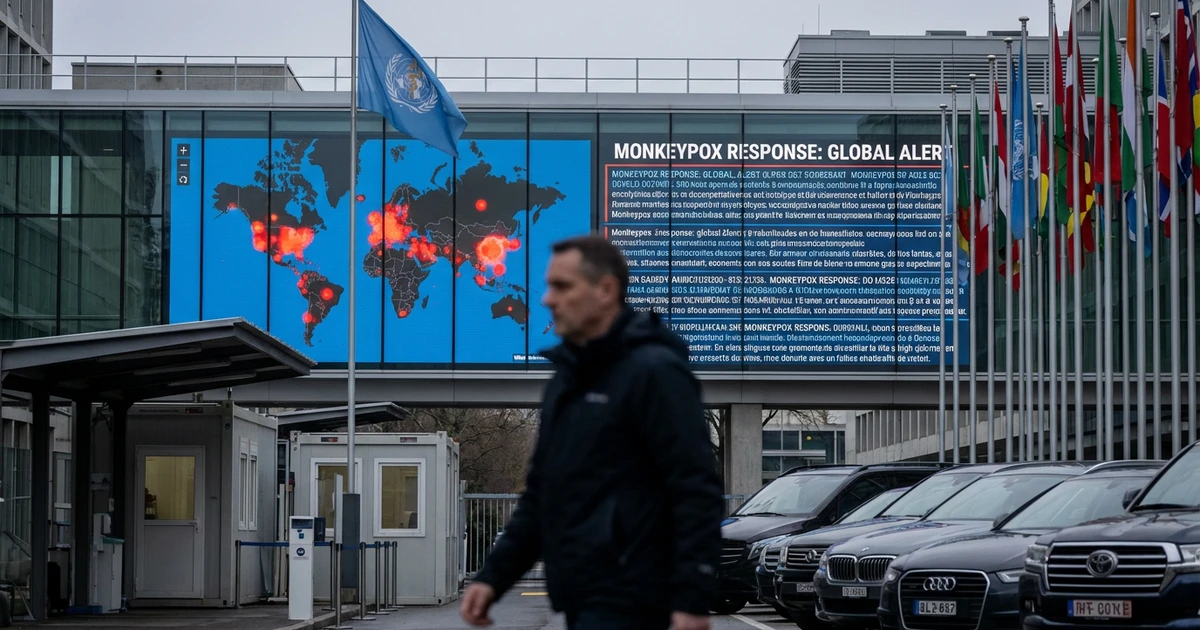
Monkeypox has re-emerged as a public health concern in recent years, with cases surfacing in both the United States and various countries around the world. Recent updates from the Centers for Disease Control and Prevention (CDC) and international news outlets highlight the shifting landscape of the outbreak and the ongoing responses by health authorities.
Monkeypox: An Overview of the Current Situation
The CDC reports that monkeypox, a rare viral disease historically confined to central and western Africa, has now been documented in multiple countries outside the region, including the United States and European nations. The global spread has prompted health agencies to intensify surveillance, testing, and public education efforts to contain further transmission.
- Transmission: Monkeypox primarily spreads through close contact with an infected person, animal, or contaminated materials.
- Symptoms: The illness typically begins with fever, headache, muscle aches, and swollen lymph nodes, followed by a distinctive rash.
- Severity: Most cases are mild, but severe illness can occur, especially in children and immunocompromised individuals.
Current Case Numbers and Trends
According to the CDC's latest updates, hundreds of laboratory-confirmed cases have been reported in the United States since the start of the outbreak. Globally, the World Health Organization and various national health ministries continue monitoring case numbers as they emerge in non-endemic countries.
News outlets in Germany and across Europe are reporting a coordinated response to cases identified within their borders. European health authorities have reinforced the importance of contact tracing and vaccination for high-risk groups where available.
Public Health Response and Prevention Efforts
Public health agencies in the U.S. and abroad are emphasizing the importance of early detection, isolation of confirmed cases, and vaccination strategies. The CDC provides detailed guidance for healthcare providers on recognizing monkeypox symptoms, proper sample collection, and reporting requirements.
- Public awareness campaigns are underway to inform communities about symptoms and preventive measures.
- Vaccination is recommended for individuals at higher risk, including healthcare workers and those exposed to confirmed cases.
- International collaboration aims to share data and best practices for effective containment.
International Implications and Coordinated Action
Reports from European news sources underscore the global dimension of the current monkeypox situation. Cross-border travel and interconnected healthcare systems have made international cooperation essential. The CDC has highlighted the importance of surveillance at points of entry and rapid information exchange between nations.
Looking Ahead: What Comes Next?
As global health authorities continue to respond, the focus remains on robust surveillance, public education, and vaccination for those most at risk. While monkeypox is less contagious than many respiratory viruses, ongoing vigilance is necessary to prevent larger outbreaks.
For the most up-to-date statistics, readers can refer to the CDC's monkeypox data page and follow updates from international public health agencies. Continued transparency and cooperation will be crucial in managing the evolving situation.