World
Global Oil Markets React as Tensions Escalate with Iran
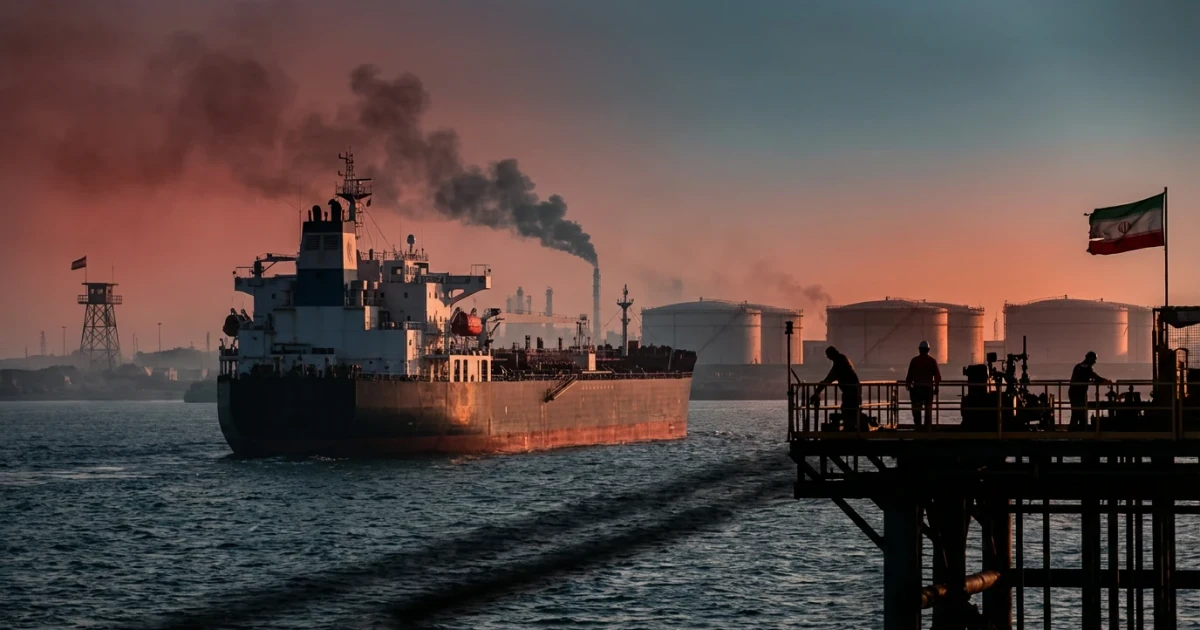
Global oil markets faced renewed volatility this week as escalating tensions in the Middle East, specifically involving Iran, began to reverberate through supply chains and international energy forecasts. Recent events—including Iranian strikes on shipping and threats toward Western banks—have heightened uncertainty, prompting a swift response from political leaders and energy analysts alike.
Escalation in the Middle East Raises Global Concerns
On March 11, 2026, multiple sources reported that Iran conducted strikes on commercial ships in the Persian Gulf and issued threats against Western financial institutions. The toll on U.S. forces stationed in the region is also becoming apparent, with official channels confirming casualties but withholding specific figures. These developments have drawn international condemnation and prompted urgent debates about the security of key shipping lanes and global energy supplies.
Former President Donald Trump, now a leading political figure, responded quickly, vowing to “end the war soon” as calls mount for a de-escalation of hostilities. The comments, reported widely across major news outlets, underscore the high stakes as both military and economic repercussions become clear.
Immediate Impact on Oil Prices and Supply
The International Energy Agency’s March 2026 Oil Market Report highlights how these geopolitical tensions are affecting the oil market’s delicate balance. While the IEA’s data focuses on trends prior to the latest escalation, analysts note that even the threat of disruption in the Persian Gulf—through which about 20% of global oil supply transits—can send prices sharply higher as markets react to perceived risks.
- Oil futures saw a rapid increase in trading volumes following news of the attacks, with prices for benchmark Brent crude climbing above recent averages.
- Major shipping routes, including the Strait of Hormuz, are now under enhanced surveillance, with some vessels rerouted or delayed.
- Strategic petroleum reserves in several countries are being closely monitored, as governments weigh the need for emergency releases should the conflict persist.
Economic and Strategic Ramifications
Beyond immediate price reactions, the broader economic implications are developing quickly. As noted in the IEA’s analysis, global oil inventories were already tightening earlier in the year due to robust demand and production constraints in several OPEC+ nations. Any supply shock from the Middle East could exacerbate these trends, leading to further volatility in energy costs and inflation pressures worldwide.
- Financial markets are watching closely for any signs of banking disruptions, following Iran’s threats against Western financial institutions.
- Major importers in Asia and Europe are assessing alternative supply routes and potential impacts on industrial output.
- Energy security discussions have intensified within the European Union and among G7 nations, with calls for coordinated diplomatic and economic responses.
Strategic Shipping and Trade Under Strain
According to recent data from UNCTAD, disruptions in the Persian Gulf can quickly ripple through the global shipping network, affecting not only oil but also liquefied natural gas and other critical commodities. Insurance premiums for tankers have spiked, and several shipping companies are re-evaluating their risk exposure in the region.
Political Leadership and Forward Outlook
As the situation unfolds, political leaders are under pressure to balance military, economic, and humanitarian considerations. The Biden administration, along with European allies, is reportedly weighing further sanctions and exploring diplomatic channels to de-escalate tensions. At the same time, energy analysts warn that prolonged instability could have lasting effects on global economic growth if energy prices remain elevated and supply chains remain disrupted.
While the IEA’s March 2026 report stops short of forecasting the full impact of the recent escalation, it emphasizes the need for coordinated international action to ensure market stability. As more details emerge about the toll on U.S. forces and the scale of shipping disruptions, markets and policymakers alike will be looking for signs of de-escalation—or further escalation—in the days ahead.
In summary, the intersection of geopolitical risk and energy market fundamentals is once again in sharp focus. The coming weeks will be critical in determining whether diplomatic efforts can contain the crisis, or if the world faces sustained energy and economic turbulence.