World
Global Rail Freight: Key Developments and Strategic Moves Shaping the Industry
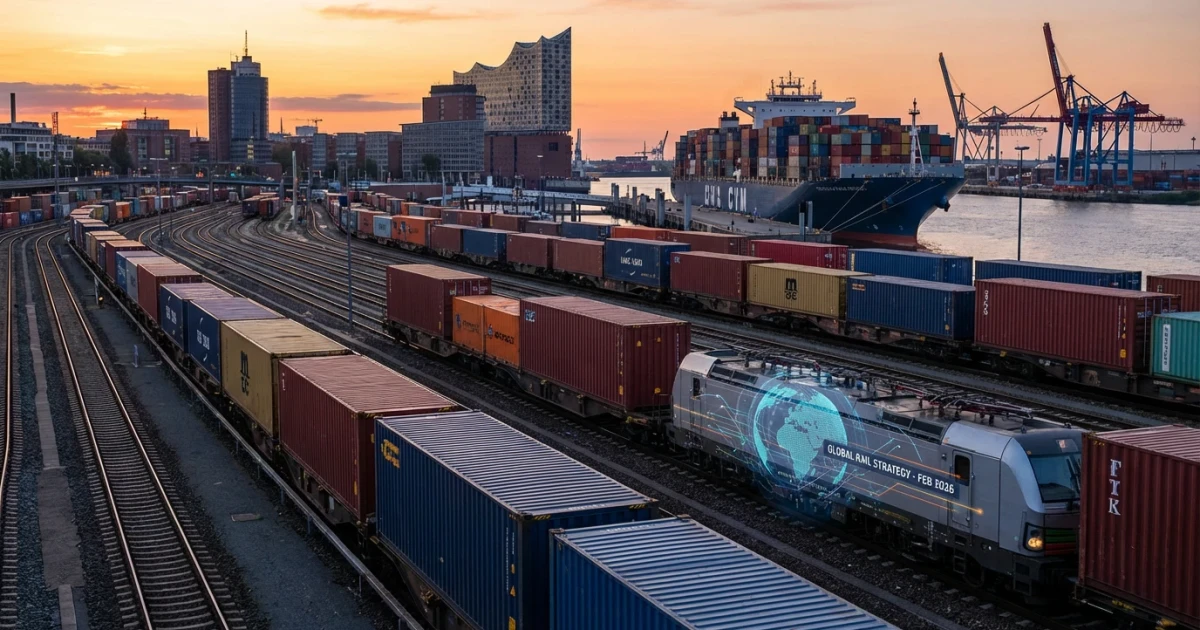
Rail freight continues to play a pivotal role in global logistics, connecting continents, supporting economies, and enabling the movement of goods at scale. Recent industry developments highlight significant projects, strategic partnerships, and innovation across markets, underscoring rail freight's enduring importance and evolving challenges.
Major Infrastructure Projects Signal Growth
Multiple regions are investing in new rail lines and upgrades to existing corridors, aiming to boost freight capacity and efficiency. Such infrastructure projects are essential for accommodating increased demand, reducing bottlenecks, and improving service reliability.
- Expansion projects in key transit regions aim to connect industrial hubs with ports and urban centers, enhancing intermodal connectivity.
- Modernization of signaling systems and track infrastructure is underway in several countries, targeting reduced transit times and increased safety.
Strategic Partnerships and International Collaboration
Cooperation between national railways, private operators, and logistics providers is intensifying. These strategic partnerships are designed to optimize resources, harmonize cross-border operations, and streamline customs procedures. International corridors—especially those linking Europe and Asia—have seen agreements that facilitate smoother transit and support the growth of global supply chains.
Adoption of Technology and Innovation
The rail freight sector is embracing digitalization to enhance operational efficiency. Automation, real-time tracking, and data analytics are being deployed to optimize train scheduling, manage asset utilization, and improve customer service. These innovations not only increase transparency but also contribute to sustainability efforts by reducing empty runs and energy consumption.
Sustainability and Environmental Initiatives
With growing pressure to reduce carbon emissions, rail freight is positioning itself as a greener alternative to road and air transport. Electrification of lines, increased use of hybrid and battery-powered locomotives, and modal shift incentives are prominent strategies aimed at minimizing environmental impact.
- Countries with aggressive climate targets are investing in fully electrified freight corridors.
- Operators are trialing alternative fuels and energy-efficient technologies to further cut emissions.
Market Trends and Challenges
Despite optimism, the rail freight market faces challenges such as fluctuating demand, geopolitical tensions affecting international routes, and competition from other freight modes. Resilience planning and agile business models are increasingly important for navigating uncertainties and capturing growth opportunities.
Looking Ahead: The Future of Rail Freight
As global trade rebounds and supply chains evolve, the rail freight sector is poised to remain a cornerstone of efficient, sustainable logistics. Continued investment in infrastructure, technology, and cross-border cooperation will be crucial in addressing current challenges and unlocking new opportunities for growth.
For ongoing coverage of rail freight developments, industry professionals are encouraged to follow updates from specialized outlets and consult official railway and logistics sources for detailed project and market data.