World
Global Reflections and Growing Fears as AI Threatens Holocaust Memory
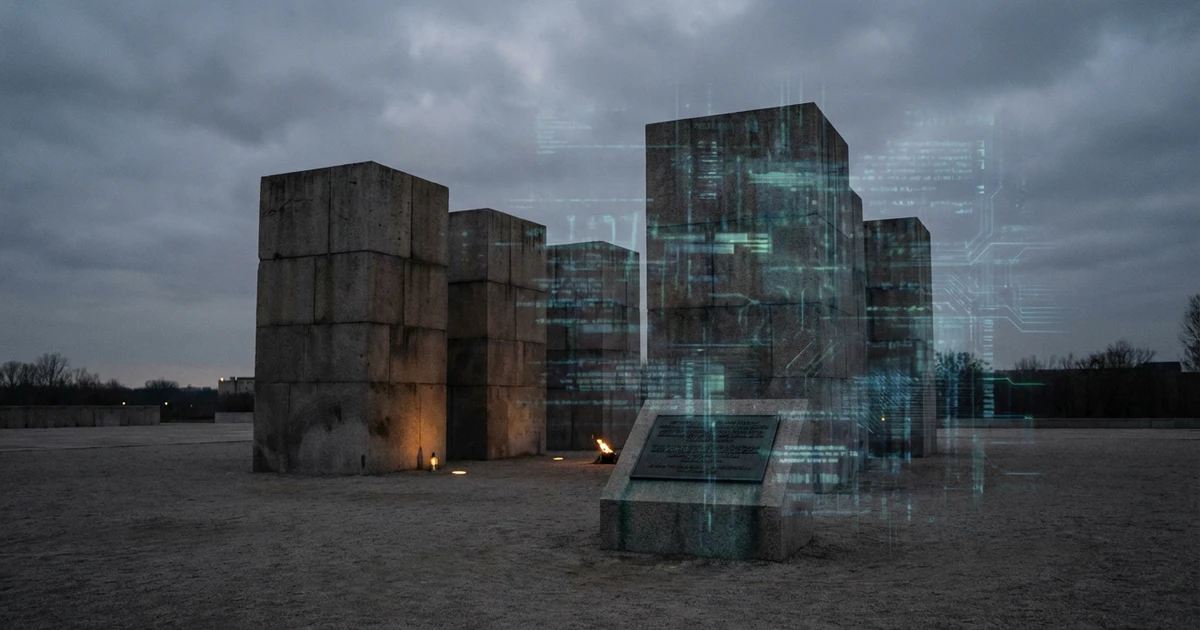
International Holocaust Remembrance Day, observed each year on January 27, brought together nations, organizations, and individuals across the globe in solemn commemoration of the six million Jews and millions of other victims murdered during the Holocaust. While memorials and educational events took place worldwide, this year’s observance was shadowed by mounting fears that artificial intelligence (AI) could be used to distort or rewrite this critical chapter of history.
The World Pauses to Remember
As highlighted by multiple news outlets, communities from Europe to the United States held ceremonies, moments of silence, and educational programs to honor survivors and victims of the Holocaust. The United Nations and other international bodies reaffirmed the importance of remembrance and education in the ongoing fight against antisemitism and hate. Events included:
- Candlelight vigils at memorials in major cities
- Testimonies from Holocaust survivors broadcast to wide audiences
- Educational workshops designed to teach new generations about the dangers of hatred and intolerance
Officials and community leaders echoed the call for vigilance. The United Nations emphasized the need to "stand up for our shared humanity—each and every day," reinforcing the enduring lessons of the Holocaust and the universal responsibility to oppose discrimination.
AI Misinformation: A New Era of Holocaust Denial
This year’s commemorations come amid rising alarm over what CBS News has called "AI slop"—the proliferation of AI-generated misinformation that threatens to undermine historical truth. According to CBS News, experts and advocates are increasingly concerned that advanced AI models can generate convincing but false narratives, fake images, or altered documents related to the Holocaust. These technologies risk making it harder for the public to distinguish fact from fiction, potentially fueling denial and revisionism.
While earlier generations fought overt Holocaust denial and distortion, today’s challenges are more technologically sophisticated. AI tools can rapidly spread altered historical accounts, making timely fact-checking and educational outreach more critical than ever. This emerging threat has prompted renewed calls for digital literacy and robust safeguards to ensure that the memory of the Holocaust remains accurate and intact for future generations.
Global Unity and the Call to Action
Despite these challenges, the unified response on International Holocaust Remembrance Day served as a powerful reminder of the world’s commitment to remembrance. News coverage from AP News and abc15.com underscored the diversity and scale of commemoration events, from local initiatives to large-scale international gatherings. Survivors’ stories and educational programs continue to play a central role, underscoring the importance of firsthand testimony in countering denial and distortion.
- Memorials held at former concentration camps, including Auschwitz-Birkenau
- Special broadcasts and digital exhibits highlighting survivor experiences
- Collaborative efforts to integrate Holocaust education into school curricula worldwide
Looking Forward: Preserving Memory in the Digital Age
As the generation of survivors dwindles, the responsibility to educate and remember falls more heavily on educators, institutions, and the broader public. The emergence of AI-generated misinformation adds a new dimension to this task, making collective vigilance crucial. As International Holocaust Remembrance Day 2026 demonstrated, honoring the past requires both reflection and adaptation to new realities, ensuring that truth prevails against the tide of digital distortion.
For more resources on Holocaust education and remembrance, visit the United States Holocaust Memorial Museum or the United Nations Holocaust Remembrance site.