World
Global report finds hands-on fathers gain joy, face added stress
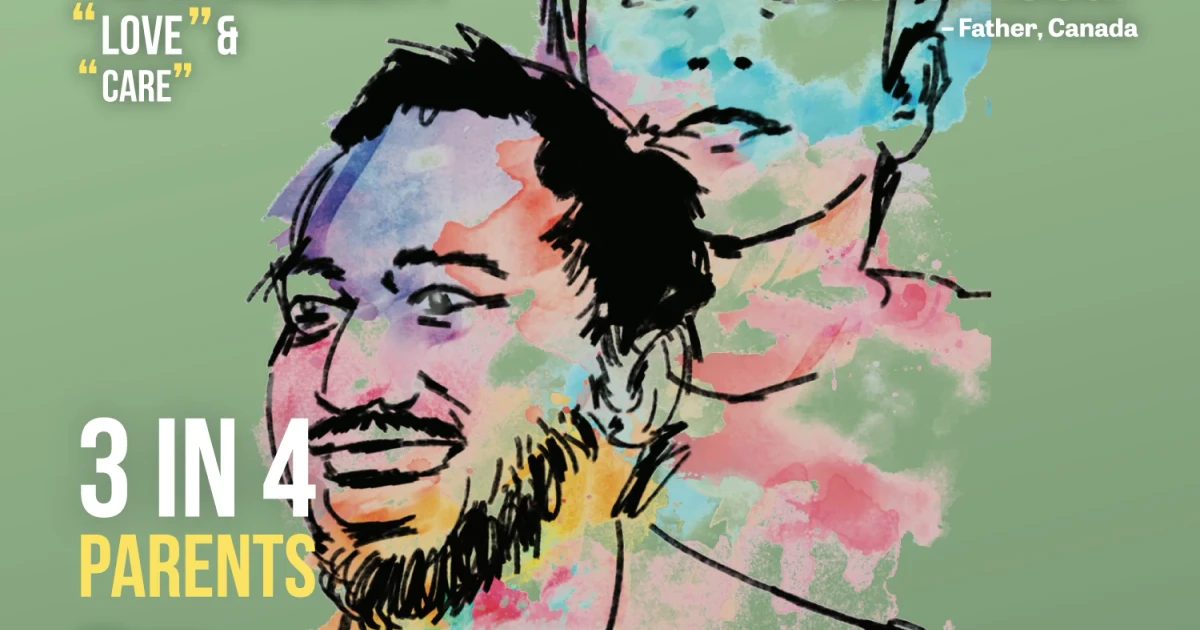
Fathers are doing more diapers, school runs and daily caregiving than past generations, and a new global study suggests many are finding the work deeply rewarding even as it adds pressure to already strained lives. The message is bigger than a feel-good parenting story: it points to a widening gap between changing expectations at home and systems that still lag behind working parents.
Equimundo’s State of the World’s Fathers 2026 study drew on online panels of 8,000 parents and caregivers across 16 countries, plus 400 in-depth interviews. The global sample included 5,371 fathers, 2,615 mothers and 31 non-binary or trans parents ages 18 to 65. Equimundo said the report is one of the only global-reaching studies focused on men’s involvement in parenting and care work, and it examined how ideas of masculinity shape fathers’ health, relationships, politics and ability to care for their families.
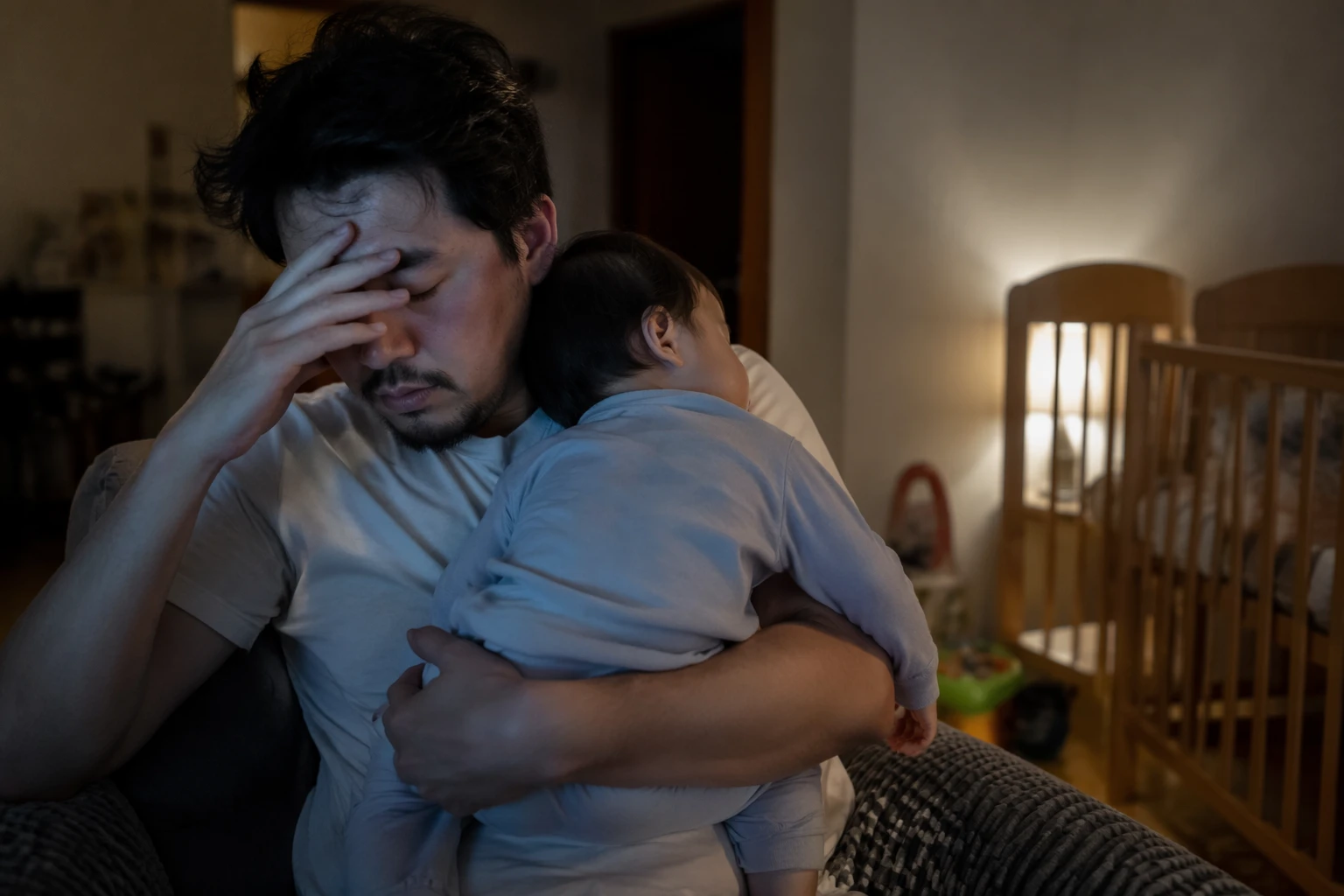
The clearest finding was emotional: nine out of 10 fathers interviewed said caring for children is a deep source of happiness. Gary Barker, chief executive of Equimundo: Center for Masculinities and Social Justice, said the result surprised researchers. “We didn’t see that one coming,” Barker said. He added that the report confirmed what many involved fathers already know, that care can be a source of meaning in life, not just obligation.
The study also showed the strain beneath that meaning. Fathers who took on more hands-on childcare reported more stress, and the report said younger men and older men were more likely to hold traditional gender roles. That tension matters far beyond the home. When fathers want to be more emotionally present and more involved in caregiving but workplaces still reward the old breadwinner model, families are left to bridge the gap on their own.

Equimundo framed the findings as part of a growing care crisis and called on decision-makers to do more for parents and carers. The report lands as families face economic strain and limited workplace support, leaving many fathers to navigate care work in what the organization described as uncharted territory. For public health and social policy, the stakes are clear: when caregiving is treated as private labor instead of shared infrastructure, stress rises for parents, and the burden falls hardest on children and families already carrying the most.
Sources
- [1]npr.org
- [2]wusf.org
- [3]equimundo.org
- [4]thefatheringproject.org