World
Global Responses and Oil Markets Shift After Strikes on Iran
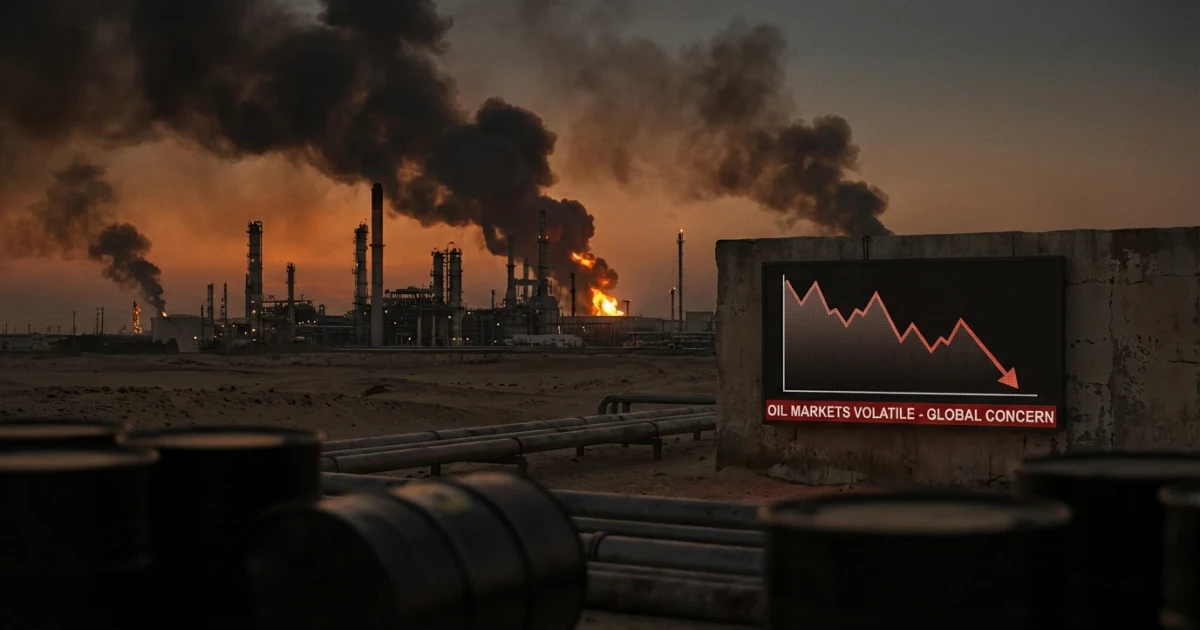
Recent US and Israeli military strikes on Iran have sent ripples through global diplomacy and commodity markets, with world leaders voicing concern and energy analysts warning of potential disruptions to oil supplies. The coordinated strikes, carried out in late February, have intensified scrutiny of Middle East stability and raised questions about the impact on international energy flows.
International Reactions Highlight Divisions
The strikes have prompted swift reactions from major international actors, reflecting longstanding geopolitical divides. Reporting from the BBC notes that European Union officials expressed deep concern, urging restraint on all sides and warning against escalation. The United Kingdom and France joined Germany in calling for an emergency meeting of the UN Security Council, emphasizing the risks to regional security and the need for diplomatic solutions.
Russia and China, meanwhile, condemned the strikes, criticizing what they called a unilateral use of force and warning that such actions could undermine international law. Moscow’s foreign ministry called for “immediate de-escalation,” while Beijing described the situation as a “dangerous spiral” that threatens broader international stability. Both countries signaled their intention to raise the matter in upcoming Security Council sessions.
In the Middle East, reactions were mixed. Gulf states like Saudi Arabia and the United Arab Emirates urged calm and stressed the need to maintain open shipping routes through the Persian Gulf. Turkey called for negotiations, while some Iranian allies voiced support for Tehran’s right to self-defense. Israel’s government, for its part, defended the strikes as a necessary response to Iranian threats.
Potential Impact on Global Oil Markets
Energy analysts and market participants are closely watching developments for signs of disruption in oil supply. Reporting from 90.5 WESA underscores that Iran is a significant oil producer, exporting millions of barrels per day—much of it passing through the strategically vital Strait of Hormuz. Any escalation, experts warn, could threaten not only Iranian output but also shipping lanes used by other Gulf exporters.
- According to the U.S. Energy Information Administration, Iran produced roughly 3.5 million barrels of oil per day in 2025, with the vast majority exported to Asia and Europe.
- The Strait of Hormuz is a transit point for about 20% of the world’s seaborne oil trade, making it a critical chokepoint.
- Energy experts cited by WESA warn that if tensions persist, insurance costs for tankers could rise and shipments might be delayed, putting upward pressure on global oil prices.
The International Energy Agency has previously highlighted the region’s sensitivity, noting that even the threat of conflict has, in past years, triggered volatility in oil futures. While physical supply disruptions have not yet occurred, traders are bracing for possible interruptions should hostilities escalate.
Sanctions and Market Uncertainty
Existing international sanctions on Iran already limit the country’s oil exports, but recent strikes have renewed discussions among Western powers about tightening restrictions further. The BBC reports that US officials are consulting with European allies about expanding sanctions to target additional sectors of the Iranian economy if hostilities continue.
Energy market participants remain wary of the knock-on effects for global supply chains. Should new sanctions be imposed, or if Iran retaliates by threatening tanker traffic, the market could see OPEC and other producers respond by adjusting output to stabilize prices. The uncertainty is already reflected in rising premiums for near-term oil contracts and increased volatility in energy equities.
Looking Ahead: Risks and Diplomatic Efforts
With diplomatic channels opening at the United Nations and calls for restraint dominating international statements, the coming days will be critical in determining whether the situation escalates or stabilizes. While immediate oil supply disruptions have not occurred, the risk of accidental confrontations or further military action remains a key concern for both policymakers and markets.
The broader implications go beyond energy, touching on issues of international law, regional security, and the future of diplomatic engagement with Tehran. As the BBC and 90.5 WESA both emphasize, the world’s response to this crisis will shape not only the price of oil but also the contours of Middle East politics for months to come.