US News
Global Security at Stake: US-Russia Nuclear Treaty Expiry Sparks Fears of New Arms Race
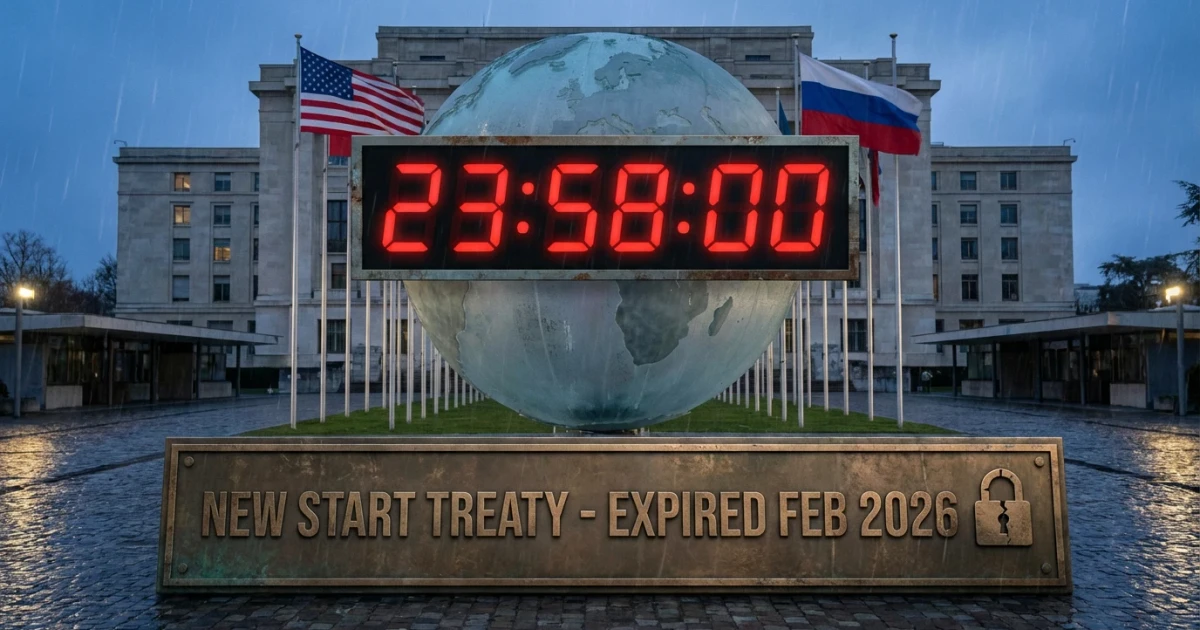
Global security is facing a pivotal moment as the last remaining US-Russia nuclear weapons treaty approaches expiration, fueling widespread fears among experts and policymakers of a renewed arms race between the world's two largest nuclear powers.
End of an Era: The Last Nuclear Treaty Expires
The impending expiration of the final major nuclear arms control agreement between the United States and Russia marks a significant turning point in international relations. Over the last fifty years, a series of treaties have placed critical limits on the number and deployment of nuclear weapons. The upcoming lapse would, for the first time since the Cold War, leave no formal constraints on the two countries' nuclear arsenals.
- This treaty is the last vestige of a half-century of arms control agreements, according to multiple reports.
- With expiration imminent, both sides could potentially expand their nuclear stockpiles without legal restriction.
Rising Tensions and the Threat of a New Arms Race
Both BBC and Reuters highlight growing concerns among international observers that the end of the treaty could spark a new nuclear arms race. The absence of agreed-upon limits, verification mechanisms, and communication channels increases the risk of escalation and potential misunderstandings between Washington and Moscow.
- Security analysts warn that the lapse could encourage both sides to invest in new types of nuclear weapons and delivery systems.
- Without mutual inspections and data exchanges, transparency would be lost, heightening mistrust.
- Other nuclear-armed nations may feel pressure to expand or modernize their own arsenals in response.
Historical Context: A Half-Century of Arms Control Unravels
For decades, successive treaties—such as the Strategic Arms Reduction Treaty (START) and New START—have imposed verifiable limits on the size and capabilities of US and Russian nuclear forces. These agreements have been credited with reducing the risk of nuclear war and promoting stability even amid geopolitical tensions.
The collapse of the last treaty would end a framework that, according to experts, has provided a foundation for global nuclear security since the 1970s.
Implications for Global Security
The consequences of the treaty's expiration extend beyond the two signatories. The breakdown of arms control could undermine the global non-proliferation regime and complicate efforts to negotiate future limits on nuclear weapons. Allies and adversaries alike are watching closely, concerned that a renewed US-Russia arms race could set off a global cascade of weapons development.
- European and Asian governments have expressed concern that regional security could deteriorate as the arms race intensifies.
- Experts fear that with no legal barriers, modernization and expansion of arsenals could proceed unchecked.
- Some analysts note the risk of accidental escalation due to miscalculation or lack of communication between nuclear powers.
Calls for Diplomacy and Future Outlook
As the deadline approaches, there are increasing calls from the international community for renewed diplomatic engagement to prevent a new nuclear arms race. However, both reports note that rising tensions and mutual distrust make quick progress unlikely.
In the absence of a new agreement, the world faces an uncertain future where the guardrails of nuclear arms control have fallen away. The coming months will test whether dialogue and restraint can prevail over rivalry and suspicion.
For further details on nuclear treaties, readers can visit the US State Department's Arms Control Treaties page and the official United Nations Nuclear Disarmament section.