Technology
Global Spending on AI Surges Amid Uncertain Returns
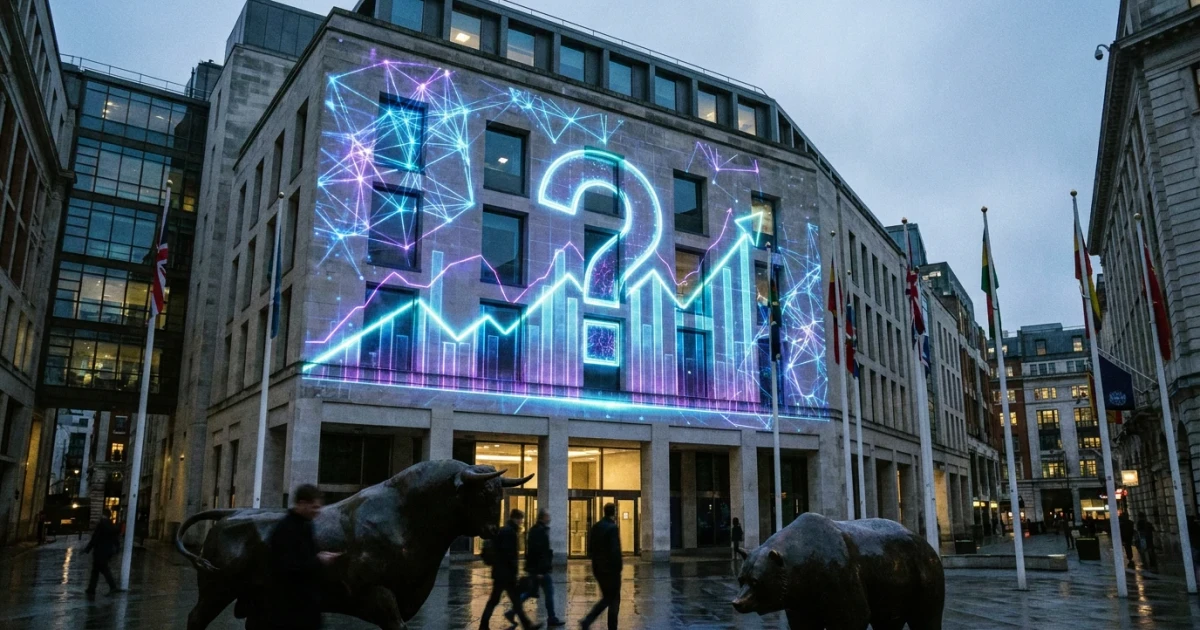
Artificial intelligence (AI) is attracting unprecedented investment from governments and the private sector, with billions of dollars flowing into research, development, and deployment across the globe. Yet, as highlighted in a new analysis from The Guardian, the tangible returns on these vast expenditures remain largely hypothetical, prompting both optimism and caution among industry watchers.
Record-Breaking Investment in AI
The Guardian’s data-driven report underscores the scale of the current global AI investment boom. According to the latest charts, annual spending on AI technologies and startups has reached hundreds of billions of dollars worldwide, with the United States and China leading the pack. In 2025 alone, companies and governments invested an estimated $180 billion in AI research and applications, up from less than $12 billion just a decade ago.
- Venture capital funding for AI startups grew over tenfold between 2015 and 2025
- Public sector investment, especially in strategic areas like healthcare and national security, has also soared
- Major tech firms allocate more than 30% of their R&D budgets to AI initiatives
These figures are corroborated by OECD’s interactive AI investment dashboard, which allows users to track annual flows by country, sector, and investor type.
Hypothetical Returns and Unproven Value
Despite headline-grabbing investments, The Guardian’s analysis points out that the actual economic returns from AI remain largely speculative. Many startups and large technology companies project future productivity gains and cost savings, but few have demonstrated clear, short-term returns on their AI spending. The economic potential of generative AI, for example, is massive in theory—projected to add trillions to the world economy over the next decade—but concrete data on realized value is limited.
This aligns with recent findings from McKinsey’s in-depth analysis, which models possible productivity boosts but notes that "the path from AI investment to measurable output is often slow and indirect, especially in complex sectors like healthcare, education, and logistics."
Sector-by-Sector Analysis
- Finance: AI-driven automation and predictive analytics are being rapidly adopted in banking, risk management, and trading, but regulatory hurdles and integration challenges persist.
- Healthcare: While AI tools show promise in diagnostics and personalized medicine, large-scale clinical deployment and cost savings are yet to be realized.
- Manufacturing: Automation and predictive maintenance powered by AI have improved efficiency, but the return on investment depends on scale and workforce adaptation.
The Guardian’s charts reveal that, across sectors, most of AI’s projected value remains "locked" in pilot programs, research trials, or unproven business models.
Risks, Hype, and Government Oversight
The Guardian also highlights the risks associated with the current AI boom. These include overvaluation of startups, talent shortages, and concerns about ethical use, bias, and privacy. Mounting government oversight—reflected in recent SEC filings related to AI and new regulatory frameworks—reflects a growing recognition of both AI’s promise and its uncertainties.
Investment cycles may also be affected by wider economic trends, with some analysts warning of a possible "AI bubble" if returns fail to materialize as quickly as many investors hope.
Looking Ahead: Balancing Investment and Impact
The Guardian’s report makes clear that, while AI investment is at an all-time high, the sector’s future depends on converting hypothetical gains into real-world results. Stakeholders are closely watching for breakthroughs that move beyond proof-of-concept and deliver measurable productivity, profitability, and societal value.
Readers interested in a deeper dive into the technical and policy aspects of AI can explore the Gartner glossary of AI terms or browse the ITU’s official AI for Good initiatives for examples of real-world applications and outcomes.
As the AI landscape evolves, the challenge for investors and policymakers will be to separate hype from substance—and to ensure that the billions being spent ultimately translate into broad-based benefits for economies and societies worldwide.