Business
Global stocks rally as U.S. and Iran agree to peace deal

Global markets snapped into relief mode as oil prices fell and stock futures surged after the U.S. and Iran agreed on a framework to end nearly four months of conflict and reopen the Strait of Hormuz. The reaction was immediate across Asia, where investors rushed out of safe-haven trades and into equities, with Japan’s Nikkei climbing 5% as the biggest index winner in the region.
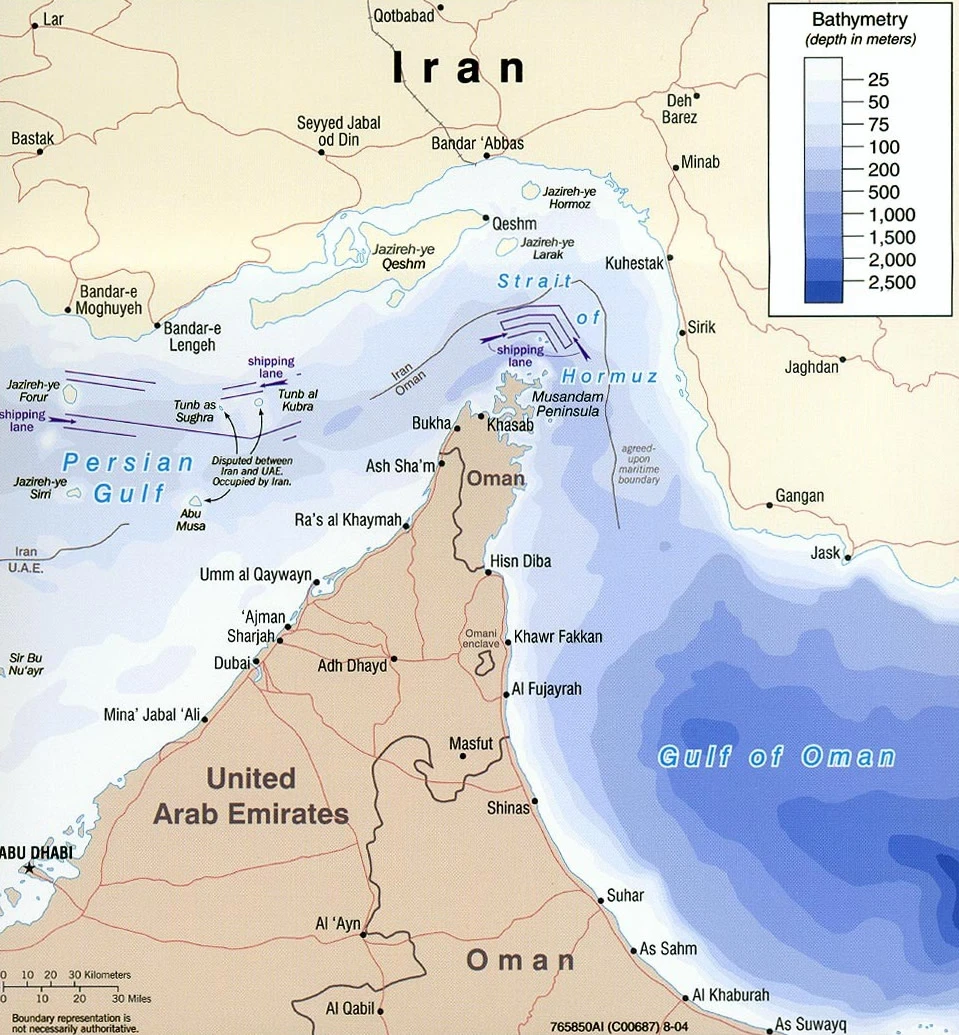
The agreement is not yet a final peace settlement. Reuters said the two sides settled on an initial memorandum of understanding that would reopen the chokepoint, but left Iran’s nuclear program for later negotiations. The Strait of Hormuz was expected to open fully on Friday, when the initial deal was due to be signed, a timeline that traders are watching closely for any sign that the détente can hold.
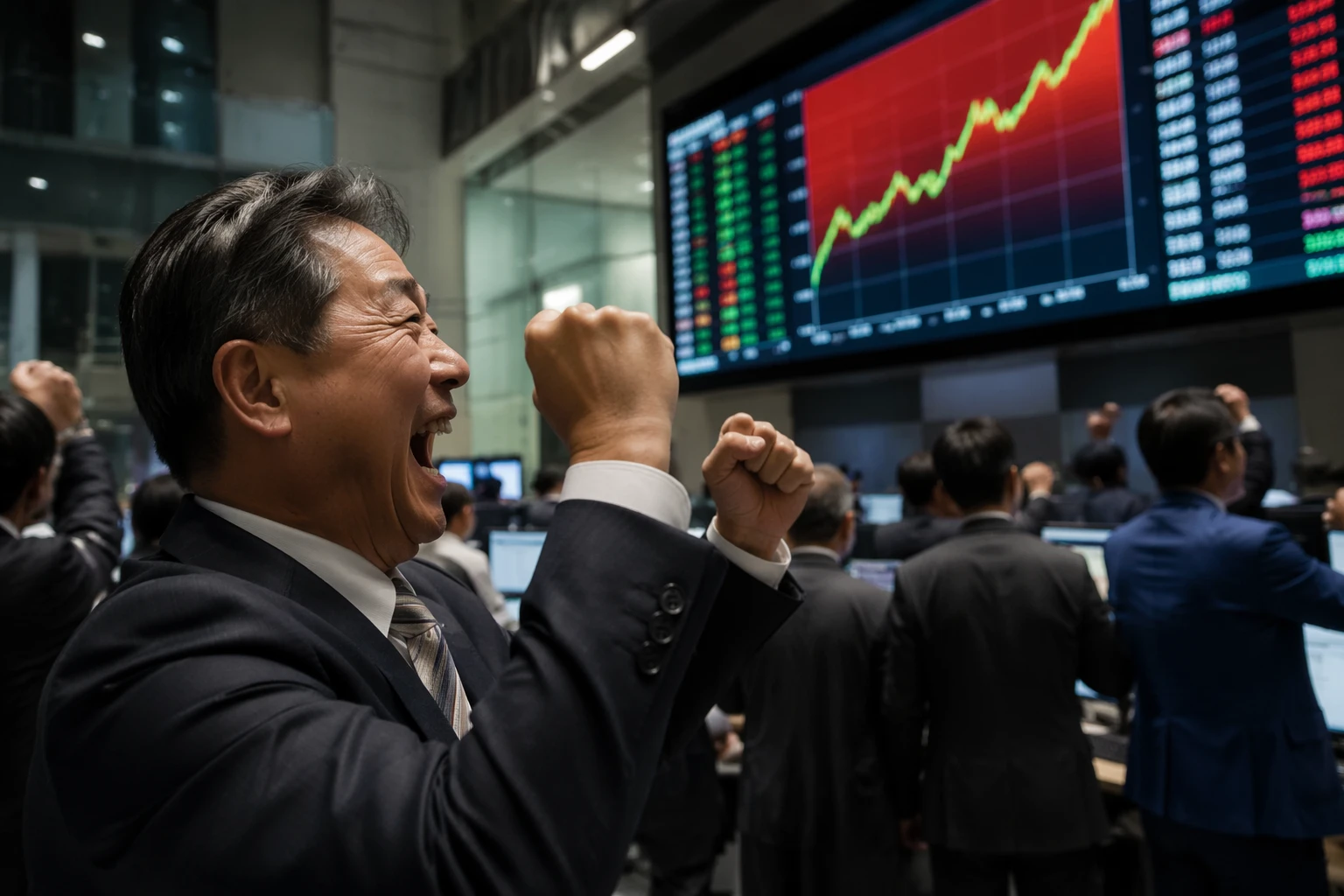
That distinction matters for energy markets and for inflation expectations. The Strait of Hormuz is one of the world’s most important oil transit routes, and months of conflict had left markets braced for a supply shock if the waterway shut. With that risk receding, crude prices fell sharply, a move that could eventually feed through to lower gasoline costs and less pressure on consumer prices if shipments resume normally. A sustained drop in oil would also ease one of the Federal Reserve’s more stubborn inflation inputs, giving policymakers more room to consider whether borrowing costs can stay elevated for as long as previously expected.
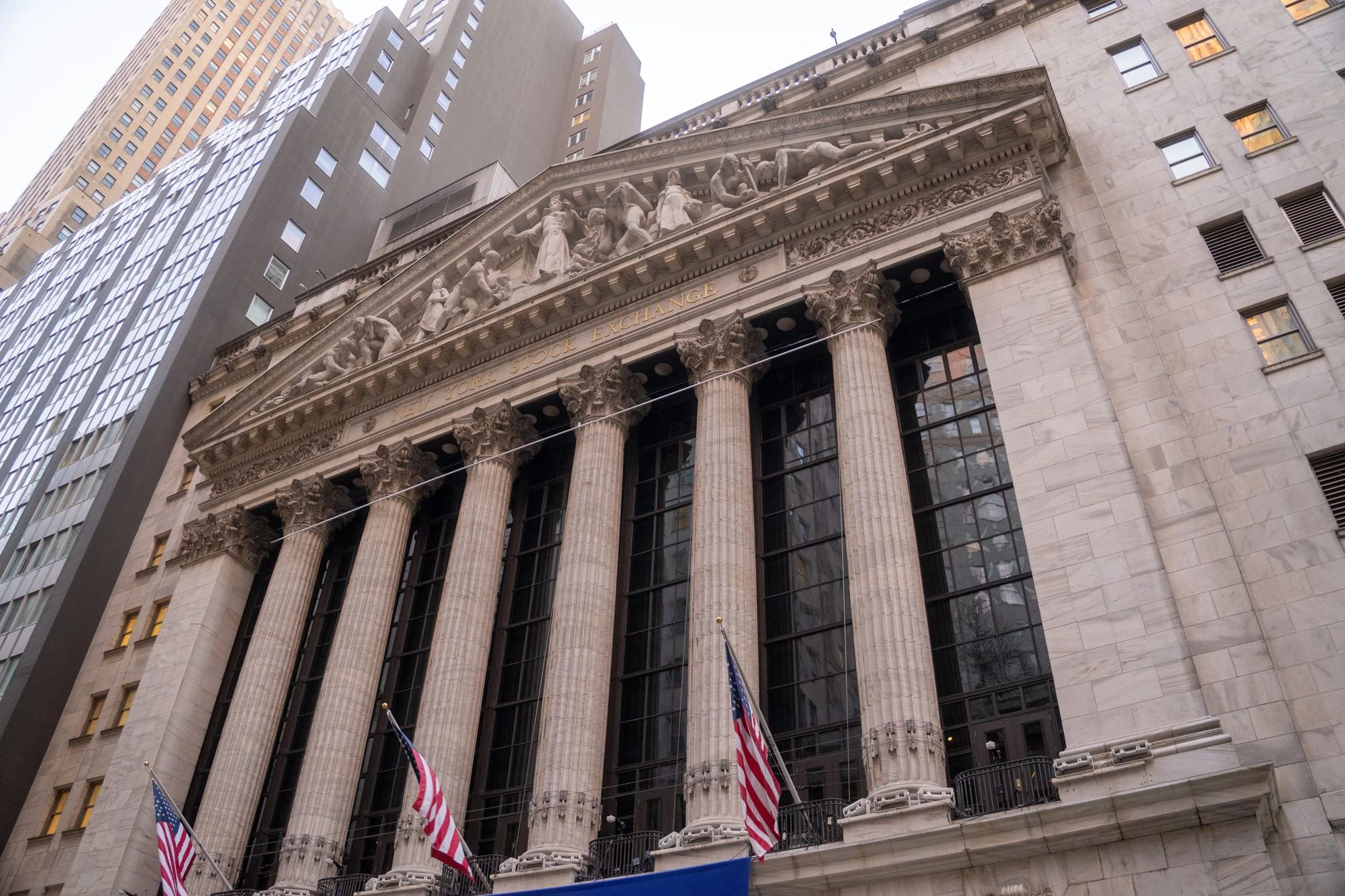
Still, the economic damage from the disruption will not disappear overnight. The New York Times reported that Asia has already suffered a physical supply crunch that could keep weighing on regional economies even after the waterway reopens. Reuters’ Morning Bid noted that the nuclear question remains unresolved, underscoring that the deal is a pause in confrontation rather than a comprehensive settlement.
In Tokyo, Prime Minister Sanae Takaichi welcomed the agreement as “a major step toward resolution of the situation,” reflecting the urgency many Asian governments feel after weeks of supply strain. For now, the market message is clear: geopolitical risk can be repriced in minutes, and when a deal opens the possibility of more oil, calmer inflation and steadier growth, the first move is often a fast, broad rally.
Sources
- [1]news.google.com
- [2]cnbc.com
- [3]msn.com
- [4]nytimes.com
- [5]usnews.com