Business
Global stocks slip as investors take profits from tech rally

Global stocks slipped Friday as investors kept taking profits from high-flying technology and chip shares, raising the question for households watching retirement balances: is this a routine reset or the start of something sharper? The answer from the day’s trading was mixed. The selling was broad enough to pressure major benchmarks, but not so severe that it broke the market’s recent pattern of shifting money out of crowded winners and into cheaper or more defensive names.
On Wall Street, all three major U.S. indexes finished slightly lower in choppy trading. Losses in industrials, technology and energy were offset by gains in healthcare and real estate, which kept the benchmarks from sliding much further. The S&P 500 and Nasdaq Composite were still headed for weekly losses, a sign that the week’s pressure was concentrated in the market’s biggest growth names rather than spread evenly across every sector.

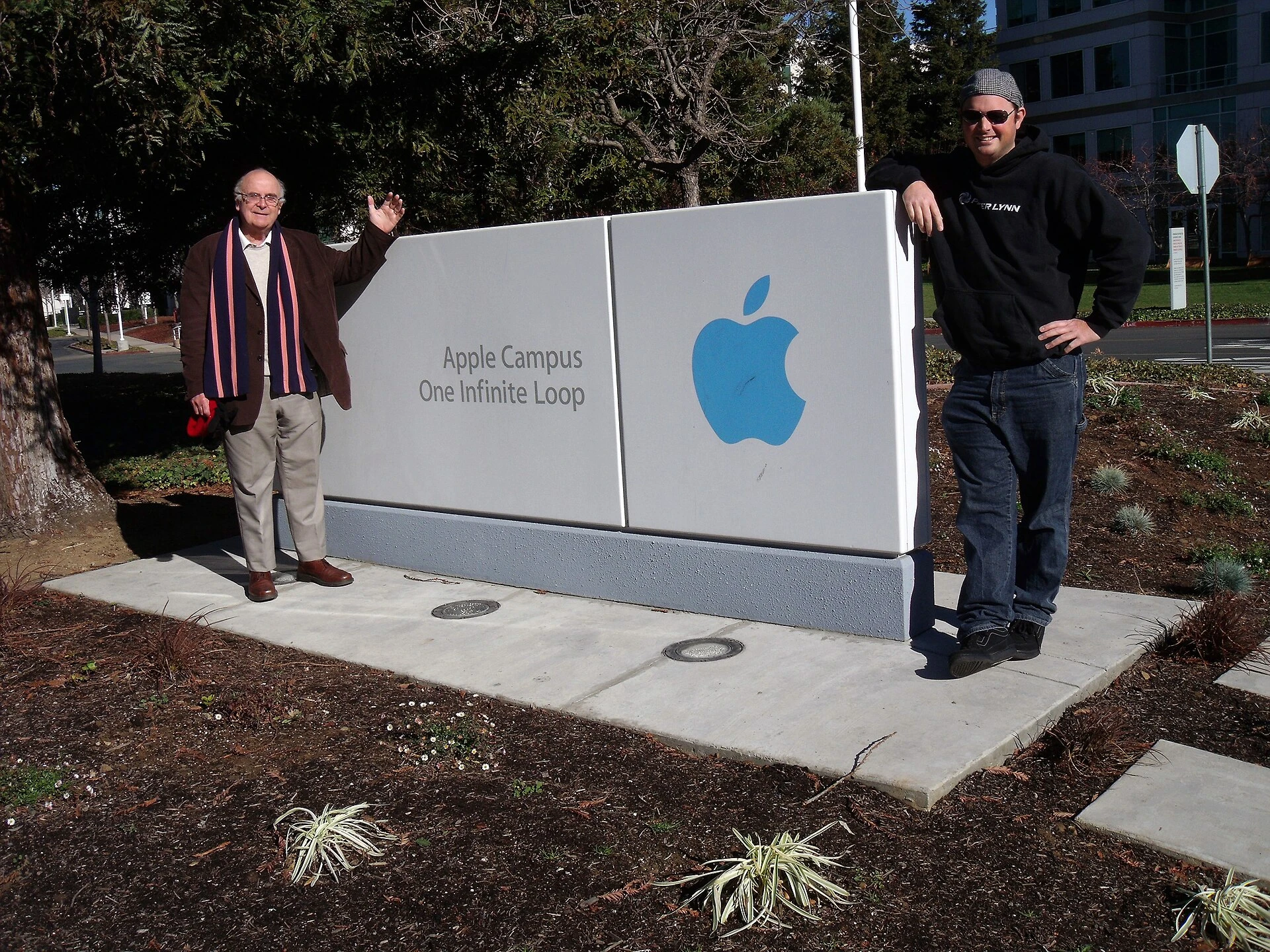
A fresh concern came from Apple, where price increases on Macs and iPads added to worries about the inflationary impact of spending by tech giants. That mattered because it linked the recent AI-driven rally to a more traditional economic fear: if the biggest technology companies pass on costs, consumers and investors may both feel it. The move also suggested that the market had become more sensitive to even small signs of strain after a long run in semiconductor and large-cap tech stocks.
Currency markets added another layer of tension. The Japanese yen hovered near its weakest level in 40 years, trading close to the 161 level against the dollar and renewing speculation that Tokyo could intervene again to support the currency. That kind of stress can spill into global portfolios quickly, especially when investors are already trimming risk.
Energy prices moved the other way. Brent crude fell 4.34% to $71.99 a barrel and U.S. West Texas Intermediate dropped 3.74% to $69.23 a barrel as more tankers left the Strait of Hormuz and supply fears eased. The WTI decline pushed the contract below $70 for the first time since Feb. 27, 2026, underscoring how quickly oil traders can reverse course when geopolitical risk looks less acute. For now, the market’s message was not panic but caution: tech was still setting the tone, and investors were no longer willing to pay up for every piece of good news.
Sources
- [1]lse.co.uk
- [2]money.usnews.com
- [3]msn.com
- [4]cnbc.com
- [5]channelnewsasia.com