World
Global Talks Aim to Reopen Strait of Hormuz After Blockade
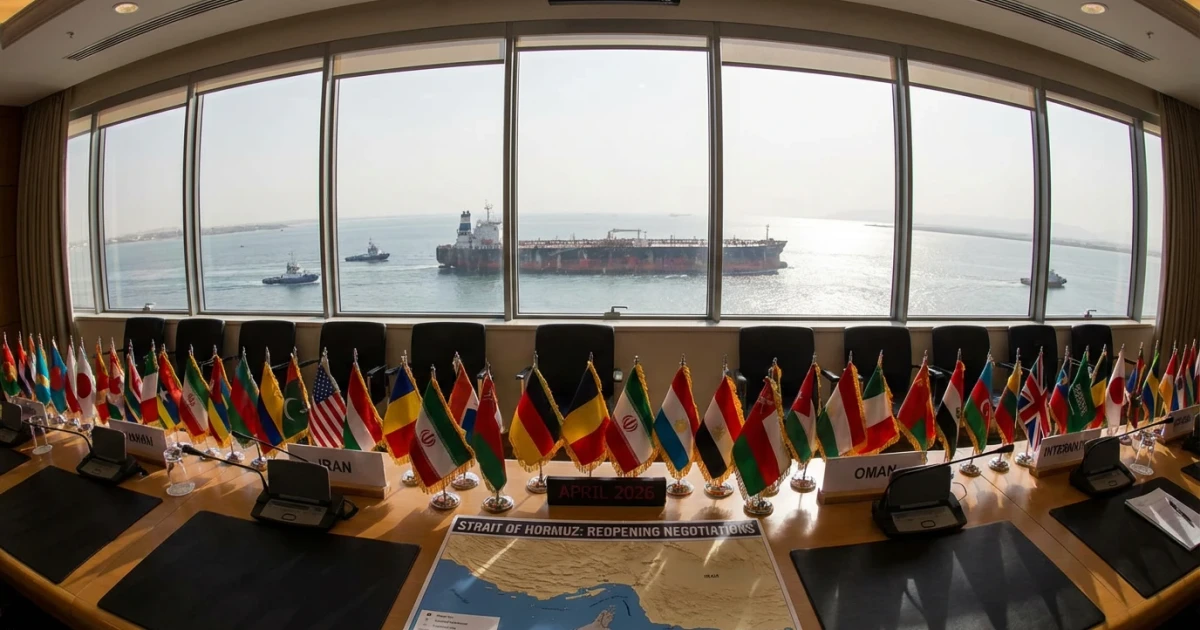
Forty countries are engaged in urgent discussions to restore shipping through the Strait of Hormuz after a recent blockade by Iran, a development with far-reaching implications for global energy markets and maritime security. The talks, reported by The Economic Times, signal the international community's concern over stability in one of the world’s most critical oil transit chokepoints.
The Strait of Hormuz: A Vital Energy Lifeline
The Strait of Hormuz is a narrow waterway connecting the Persian Gulf with the Gulf of Oman and the Arabian Sea. According to the BP Statistical Review of World Energy, nearly a fifth of the world’s total oil supply moves through this passage, making it a critical node for petroleum exports from major producers such as Saudi Arabia, Iraq, the United Arab Emirates, and Kuwait. Disruptions here can reverberate across energy markets worldwide.
- Over 20 million barrels of oil per day pass through the Strait in recent years
- The waterway is less than 40 kilometers wide at its narrowest point, heightening vulnerability to blockades and accidents
Response to the Blockade
The blockade imposed by Iran has halted commercial shipping, prompting rapid diplomatic engagement among energy importers and exporters. The Economic Times reports that representatives from 40 countries are currently meeting to coordinate a response, focusing on reestablishing secure passage for cargo vessels and oil tankers.
While details on the specific proposals remain limited, likely topics include the deployment of naval escorts, enhanced maritime surveillance, and diplomatic engagement with Iran to ease tensions. The International Maritime Organization has previously outlined protocols for ensuring freedom of navigation in strategic waterways, and these frameworks may guide current negotiations.
Economic and Market Impact
The closure of the Strait has already affected oil prices and supply chains. Brent crude, a key global benchmark, has seen increased volatility, with prices rising amid fears of prolonged supply disruptions. Recent data shows that market anxieties over the standoff have led to short-term price spikes, though the scale depends on the duration and severity of the blockade.
- Many Asian and European economies rely on oil shipped through the Strait
- U.S. exports of crude oil and petroleum products have also increased in recent years, further raising the global stakes for reopening the passage
Geopolitical and Security Ramifications
The situation underscores the geopolitical sensitivities of the region. While Iran’s reasons for the blockade are not detailed in the initial reporting, past disputes have centered on sanctions, regional rivalries, and disagreements over maritime boundaries. International responses often require delicate balancing between deterrence and diplomacy.
According to the IEA Oil Market Report, disruptions to energy flows in the Middle East can have outsized effects on global supply, given the concentration of production and export capacity in the region.
Looking Ahead
As diplomatic talks continue, the outcome will be closely watched by governments, energy companies, and consumers worldwide. The reopening of the Strait of Hormuz is critical not only for maintaining steady oil supplies but also for averting broader economic shocks.
The ongoing negotiations among forty nations highlight the interconnectedness of global energy security, and reinforce the need for cooperative solutions to shared challenges in strategic regions. The coming days will reveal whether international efforts can successfully restore safe passage and stability to this vital maritime corridor.