US News
Global Tensions Rise as U.S. Blocks Strait of Hormuz
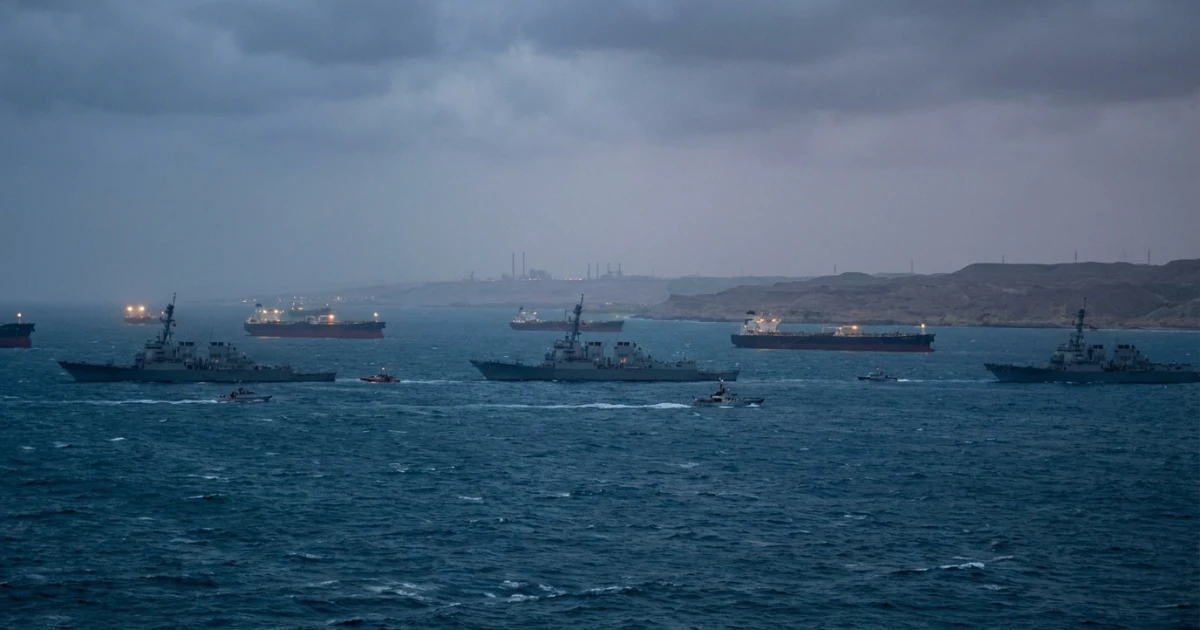
Rising geopolitical tensions are reverberating across the globe after the United States initiated a blockade of the Strait of Hormuz, one of the world’s most critical oil transit chokepoints. The move has drawn immediate condemnation from China and left energy markets bracing for sharp disruptions.
U.S. Launches Blockade Amid Strategic Concerns
The U.S. blockade of the Strait of Hormuz began this week, as first reported by The New York Times. The Strait, a narrow passage connecting the Persian Gulf with the Gulf of Oman, is considered the world’s most vital maritime route for oil and liquefied natural gas shipments. According to the U.S. Energy Information Administration (EIA), roughly 20% of global petroleum liquids consumption passes through this corridor each day, making any disruption highly significant for international energy flows.
- Nearly 17 million barrels of crude oil pass through the Strait daily, based on historical EIA data.
- The region supplies key markets in Asia, Europe, and North America, with China, India, and Japan being major importers.
- Oil and maritime transport statistics show the route is essential for both crude and liquefied natural gas exports from the Gulf.
The U.S. has not released detailed public statements outlining the specific rationale for the blockade, but officials have cited concerns over regional security and shipping safety amid escalating tensions in the Middle East.
China Decries U.S. Action as 'Dangerous and Irresponsible'
The international response was swift and pointed. China’s Foreign Ministry sharply criticized the American move, with CNBC reporting that Chinese officials labeled the blockade "dangerous and irresponsible". Chinese authorities warned that such unilateral measures threaten not only the stability of global energy markets but also undermine the free flow of trade through international waters.
China, among the world’s largest importers of oil transiting through the Strait, called for restraint and urged the United States to reverse its decision, emphasizing the need for international dialogue and adherence to established maritime law.
Economic Implications: Oil Prices and Trade Disruptions
The impact on global energy markets was immediate. Analysts expect the blockade to drive up oil prices and prompt a scramble among importing countries to secure alternative supplies. CNBC highlighted the potential for higher gasoline prices at the pump, particularly in regions heavily dependent on Gulf oil exports.
- U.S. oil exports could see a short-term boost as buyers seek alternatives to Middle Eastern crude.
- But the overall disruption threatens supply chains and could impact global shipping costs and inflation rates.
- According to OPEC’s annual oil movements data, the Strait of Hormuz is a linchpin for seaborne oil trade, underscoring the wide-ranging impacts of a blockade.
Shipping industry observers, referencing UNCTAD maritime transport indicators, note that any sustained closure or threat to the Strait could reroute hundreds of tankers and bulk carriers, increasing transport times and costs.
Broader Geopolitical Fallout
Beyond the immediate economic concerns, the U.S. action raises questions about the risk of further escalation in the region. The Council on Foreign Relations notes that the Strait of Hormuz has been the focal point for previous crises, including tanker wars and diplomatic standoffs. Regional actors and major oil importers are now watching closely for potential retaliatory moves or diplomatic efforts to resolve the standoff.
While China’s response was among the most forceful, other major economies have also signaled unease, calling for respect for international law and the need for stability in critical shipping lanes.
Outlook: Energy Security and Diplomatic Challenges Ahead
The situation remains fluid, with energy markets, shipping firms, and governments weighing the risks of a prolonged disruption. The U.S. blockade of the Strait of Hormuz has underscored the fragility of the global oil system, where a single chokepoint can have outsized effects on prices and supply chains.
As calls for diplomatic solutions grow, the world will be watching both Washington and Beijing for signals of de-escalation or further confrontation. The coming days are likely to see increased volatility in energy markets and renewed debate over the security of strategic maritime routes.