Health
Global Vaccine Efforts Face Test as Ebola Outbreak Spreads
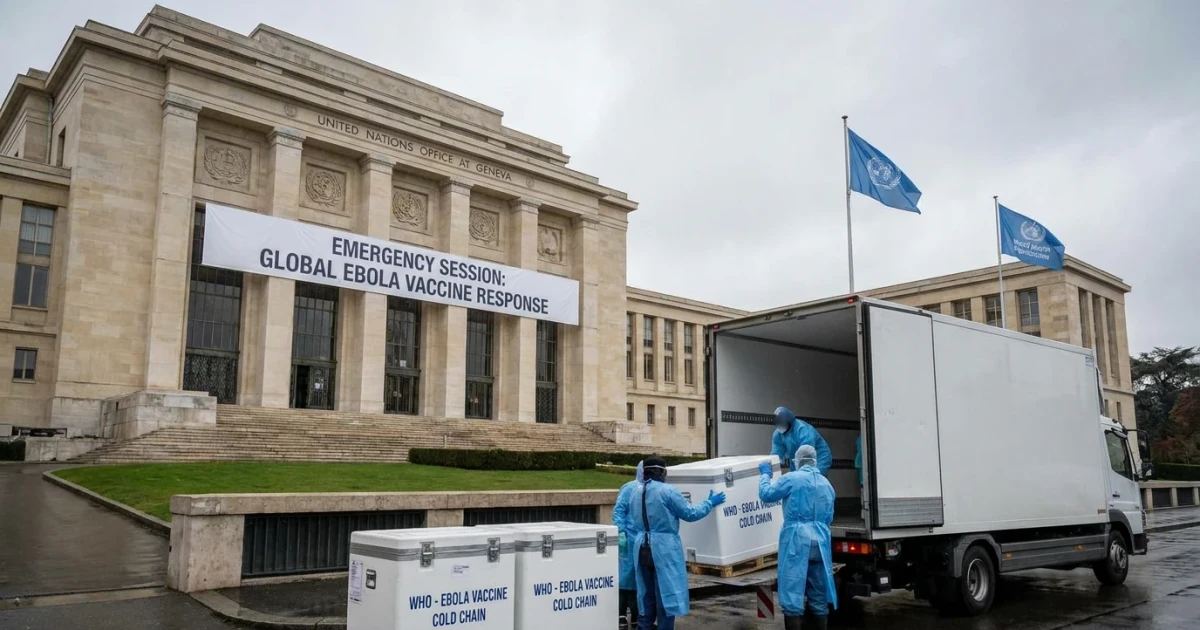
Health officials and global agencies are rushing to deploy vaccines in response to the latest Ebola outbreak, as the rapid spread of the virus raises concerns about containment and prevention efforts. The push for mass vaccination comes as cases mount across affected regions, prompting questions about the ability of current vaccine strategies to slow transmission and save lives.
Urgency Rises with Outbreak Spread
The most recent Ebola outbreak has placed significant pressure on public health systems, with World Health Organization data showing a steady rise in confirmed cases over recent weeks. Multiple health organizations, including the WHO and the Centers for Disease Control and Prevention, have prioritized rapid vaccine deployment to contain the virus before it can reach more densely populated or vulnerable regions. The CDC's official outbreak statistics provide ongoing updates on case counts and geographic spread, emphasizing the urgency of the current situation.
Vaccine Deployment and Supply Chain Hurdles
Financial Times reporting highlights that the rush for vaccines is testing global supply chains and exposing gaps in distribution infrastructure. The world's leading Ebola vaccines, produced by companies such as Emergent BioSolutions and others, are in high demand. Production capacity, cold-chain requirements, and the logistical complexities of reaching remote communities all pose challenges.
- Vaccine supply is constrained by manufacturing limits and the need for rapid scaling.
- Distribution requires specialized refrigeration and trained personnel.
- Ongoing outbreaks in resource-limited areas complicate delivery and tracking efforts.
These challenges are reflected in Gavi, the Vaccine Alliance's financial reports, which detail recent expenditures on procurement and logistics for Ebola vaccines.
Balancing Speed and Safety
As the vaccine rollout accelerates, health authorities must balance speed with rigorous safety protocols. Vaccine hesitancy remains a concern in some communities, requiring targeted outreach and education. Financial Times coverage notes that lessons learned from previous outbreaks have informed current strategies, but rapid deployment still carries risks if not coordinated with local health infrastructure.
Testing and Prevention Measures
In addition to vaccines, authorities are enhancing screening and testing at transportation hubs. According to recent reports, airports are expected to implement Ebola screening tools before major international events, such as the upcoming World Cup, to prevent cross-border transmission. These layered prevention tactics aim to complement vaccination and reduce the risk of further outbreaks.
Looking Ahead
While vaccines offer a critical line of defense against Ebola, experts caution that they are not a standalone solution. Comprehensive containment requires ongoing surveillance, public education, and the strengthening of health systems in affected countries. The success of the current vaccine campaign will likely inform global approaches to future outbreaks of Ebola and other infectious diseases.
For readers interested in a deeper dive into the data driving these efforts, the WHO's Ebola statistics and the CDC's outbreak records provide comprehensive epidemiological information, while Gavi's financial disclosures offer insight into the funding and logistics behind vaccine deployment.
As the international community continues its efforts, the coming weeks will be crucial in determining whether the rush for vaccines can effectively curb the spread of the latest Ebola outbreak.