Technology
GlobalFoundries beats estimates as AI demand lifts chip business
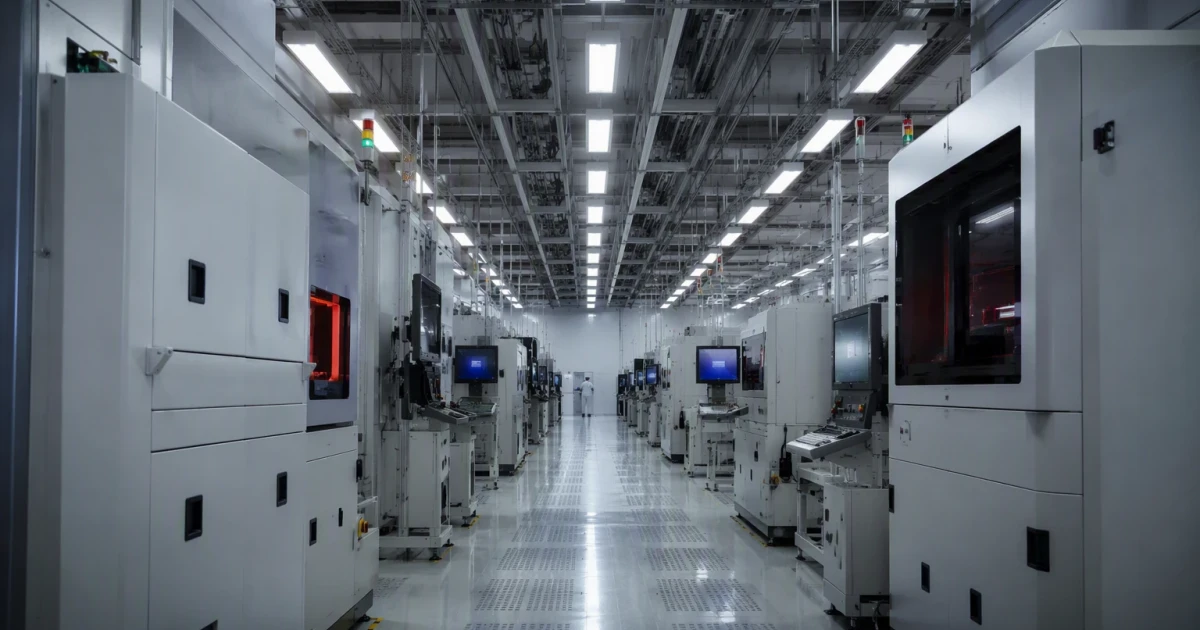
GlobalFoundries said second-quarter revenue climbed to $1.786 billion, topping expectations as AI-related demand supported the chipmaker’s business. Adjusted earnings came to $0.46 per share, ahead of the $0.43 analysts had expected, giving the company a stronger quarter than Wall Street had priced in.
The company said revenue and non-IFRS gross margin both came in above the high end of guidance. Gross margin was 28.3%, while non-IFRS gross margin was 29.9%. Operating margin reached 9.7%, and non-IFRS operating margin was 11.6%, showing that the quarter was not just a revenue beat but also a margin improvement story.
The results point to where AI money is actually flowing. Much of the market’s attention still sits on Nvidia and other designers of advanced processors, but GlobalFoundries’ quarter showed that the buildout is also supporting foundries, packaging providers, memory suppliers and equipment makers. That matters because GlobalFoundries does not rely only on leading-edge chips. It focuses on mature and specialty process technologies used in automotive, industrial, communications and other markets, with diversified 200mm and 300mm manufacturing across three continents.
That mix has made the company a useful gauge for whether AI demand is broadening into the wider semiconductor base rather than concentrating in a few headline names. GlobalFoundries had already signaled the strength in May, when it forecast an upbeat second quarter on data-center demand. The latest numbers suggest that the lift from hyperscale spending was not a one-off. AI infrastructure remains a source of demand for specialized manufacturing capacity, even as other parts of the chip cycle turn more uneven.
Investors were still cautious. GlobalFoundries shares fell about 4% in premarket trading despite the beat, a sign that the market was looking past the headline figures to valuation, margins and the company’s outlook. Tim Breen, the chief executive, said the company delivered strong second-quarter results with revenue and non-IFRS gross margin exceeding the high end of guidance. CFO Sam Franklin also figured in the company’s results and outlook materials.
For the broader U.S. semiconductor supply chain, the message is clear: AI spending is not stopping at chip design. It is filtering into the manufacturers that fabricate specialized silicon and support the hardware that powers data centers, industrial systems and connected devices. That kind of demand can help keep fabs busier, support capital spending and sustain jobs across the manufacturing base if the AI buildout continues.
Sources
- [1]srnnews.com
- [2]reuters.com
- [3]globenewswire.com
- [4]m.investing.com
- [5]investors.gf.com
- [6]seekingalpha.com
- [7]gf.com