Health
GLP-1 diabetes drugs linked to higher smell and taste risk

GLP-1 drugs used for type 2 diabetes were linked to a higher risk of smell and taste disturbances in a study that followed 876,948 adults and found the absolute excess remained small. Over two years, patients taking GLP-1 receptor agonists had a hazard ratio of 1.81 for smell problems and 1.52 for taste problems, but the study still recorded only modest absolute increases of 0.08% for smell and 0.07% for taste.
The analysis, published online June 25, 2026 in JAMA Otolaryngology-Head & Neck Surgery, drew on TriNetX Global Collaborative Network electronic health records from December 5, 2017, to April 20, 2026. After matching, each cohort included 438,474 adults with type 2 diabetes. The primary outcomes were new smell and taste disturbances identified through ICD codes, a method that captures clinician-coded complaints such as anosmia, parosmia and parageusia rather than formal smell testing.
Jonathan Zontag and Nir Zontag, both affiliated with Hadassah Medical Center and Hebrew University in Jerusalem, said the findings support closer monitoring, greater public-health awareness and more research into the biological mechanism. The signal matters because GLP-1 medicines have become central to diabetes care and are also widely used for weight loss, where long-term benefit can depend on patients tolerating treatment well enough to keep taking it. A side effect that changes the experience of food may be easy to miss if patients assume a gradual shift in appetite or flavor is just part of aging or the drug’s intended effect.
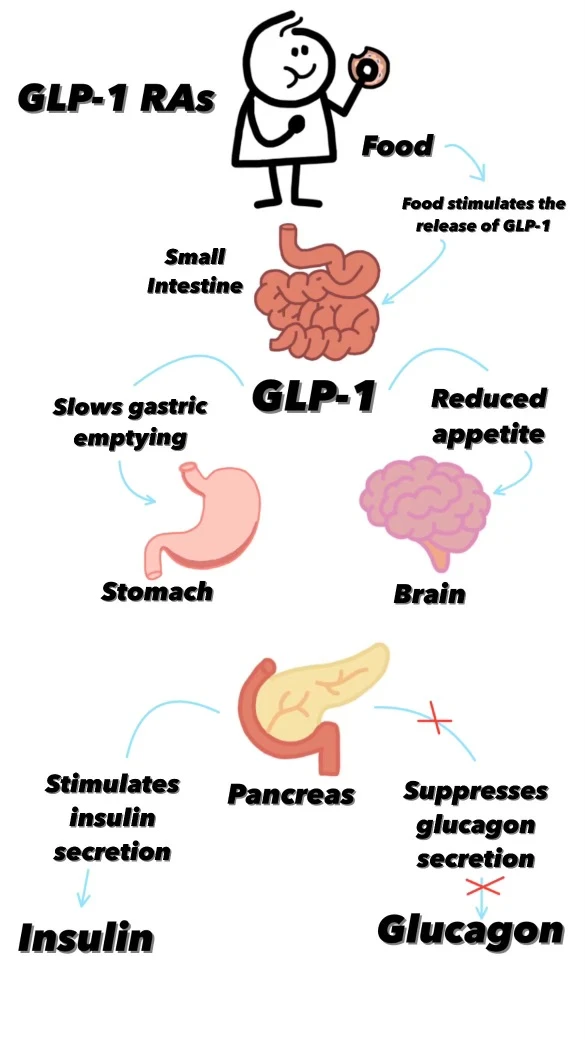
The study does not suggest the drugs are unsafe overall. Instead, it points to a subtle effect that may influence how people eat, how they enjoy meals and whether they stay on therapy. The editorial that accompanied the paper said smell and taste are subtle but important markers of general well-being, and argued that medicines that alter the sensory world around eating can affect travel, family gatherings and daily meals. For patients and clinicians, the practical question is not whether to abandon a drug that may still be improving glucose control and weight, but whether new sensory changes are strong enough to justify a medication review before nutrition or adherence begins to slip.
Charles A. Riley, MD, and Edward D. McCoul, MD, MPH, wrote in the commentary that olfactory dysfunction is one of the most reliable prodromal markers for Parkinson’s disease and Alzheimer’s disease, underscoring why even small changes in smell deserve attention in routine diabetes care. The same health package also highlighted a separate trial in 150 adult cancer patients starting morphine, where oral dexamethasone given six hours before treatment helped ease nausea and vomiting, another reminder that common therapies can carry quality-of-life effects that do not show up in the headline benefit.