Health
GLP-1 drugs may raise low blood pressure risk in older adults
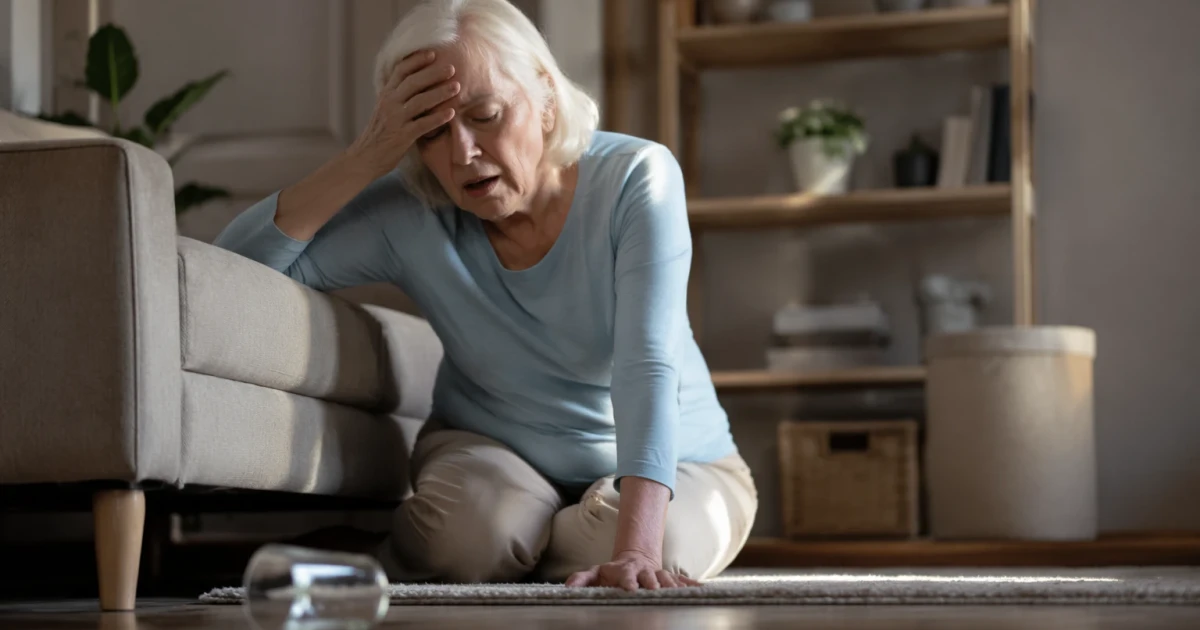
GLP-1 weight-loss and diabetes drugs were linked to a higher rate of low-blood-pressure events in older adults who were already taking multiple antihypertensive medicines, raising a new safety question for patients most vulnerable to blood-pressure drops. The signal showed up across dizziness, fainting, falls and documented hypotension after people started semaglutide, tirzepatide or liraglutide.
The findings were presented at ENDO 2026 in Chicago by researchers from Northwestern Medicine and Northwestern University Feinberg School of Medicine. They reviewed electronic health records from 42,262 patients taking at least two classes of blood-pressure medication within a larger database of 54,682 patients, then tracked whether hypotensive events appeared after GLP-1 therapy began. The study defined those events broadly, including dizziness, syncope, near syncope, falls, low blood-pressure diagnoses, systolic readings below 90 mm Hg and prescriptions for drugs used to treat hypotension.
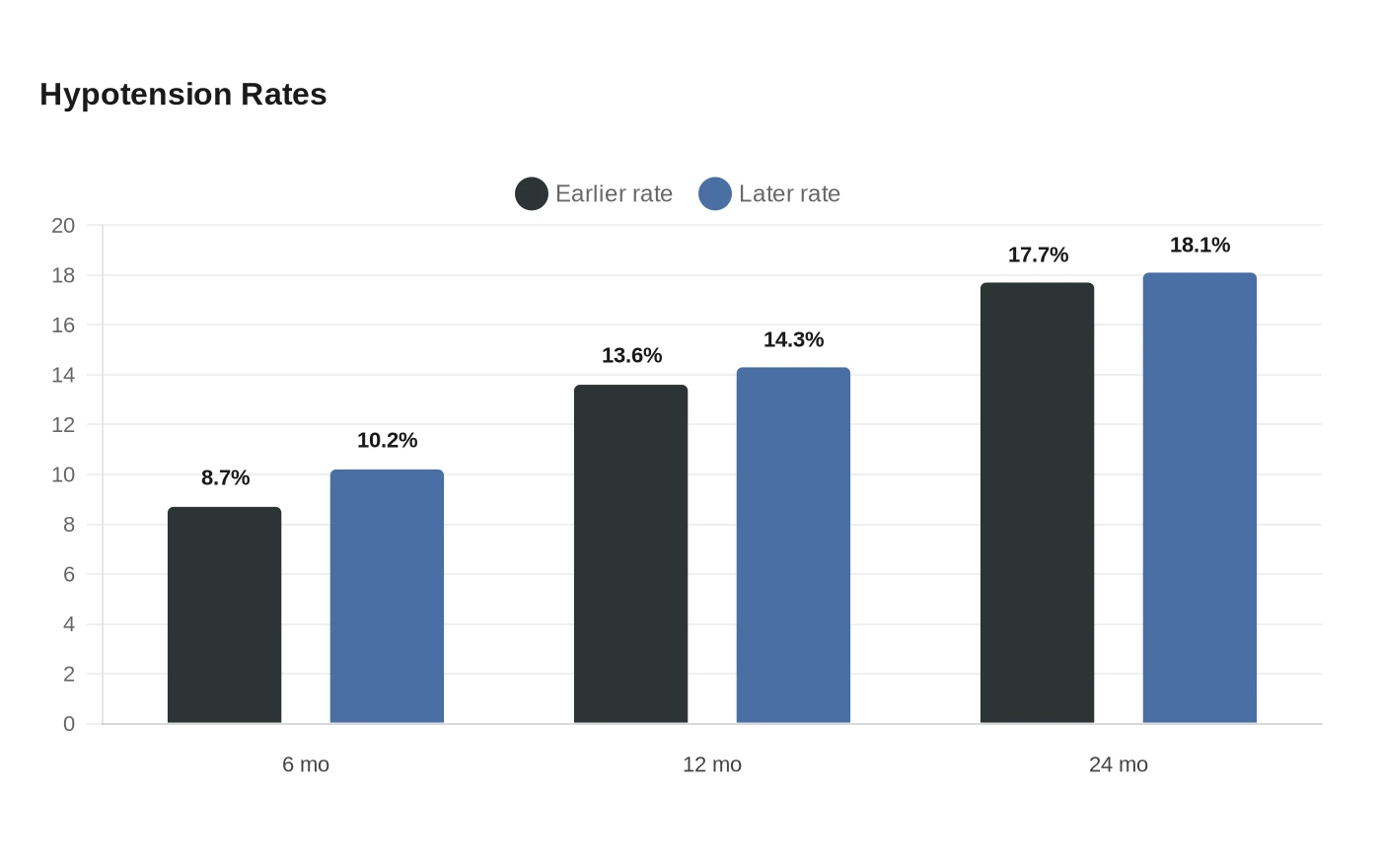
Rates rose after GLP-1 initiation. At six months, hypotensive events increased from 8.7 percent to 10.2 percent. At 12 months, the rate moved from 13.6 percent to 14.3 percent. At 24 months, it rose from 17.7 percent to 18.1 percent, although that final comparison was not statistically significant. The 6-month and 12-month findings were significant.
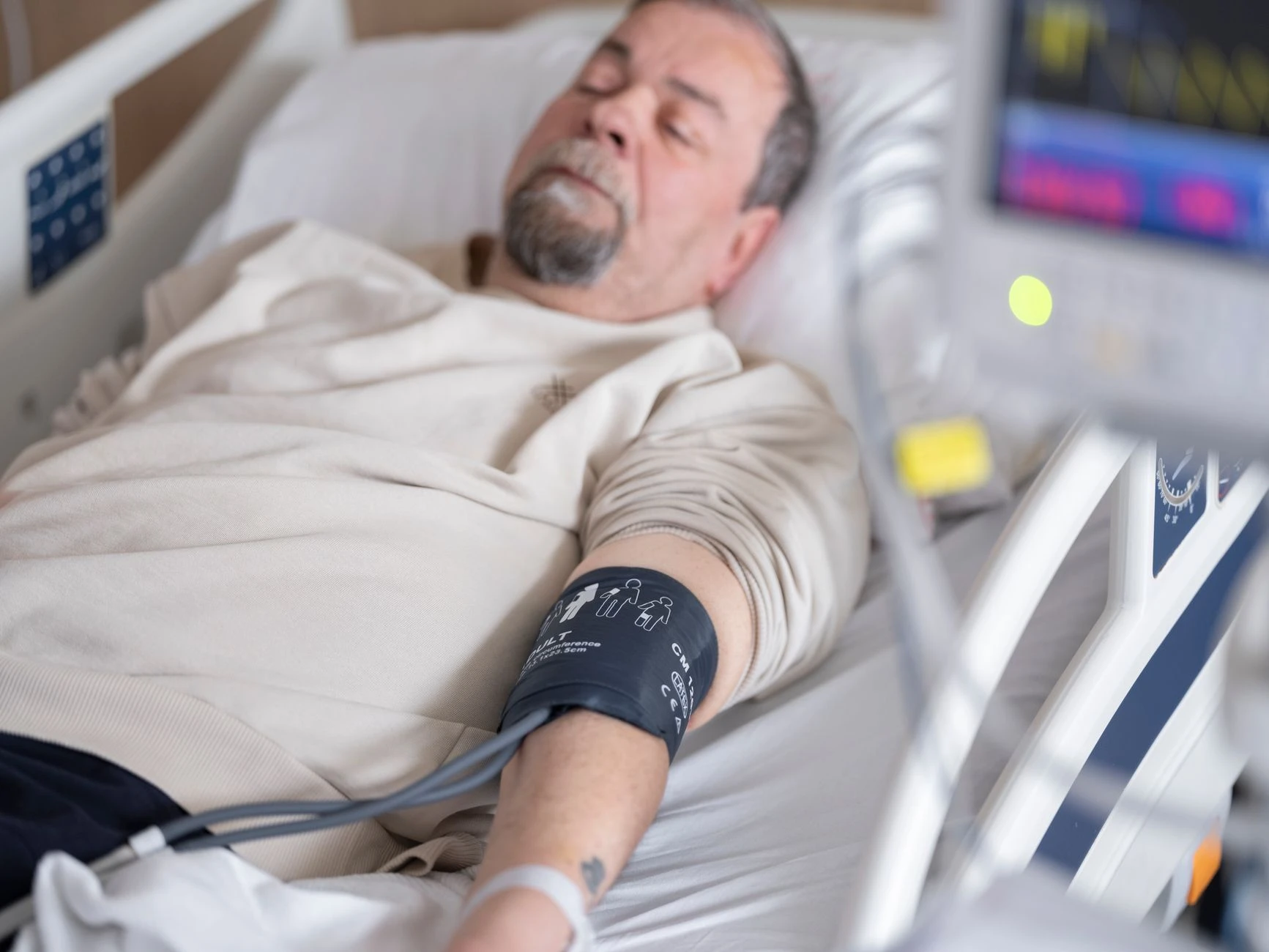
The risk was concentrated in the patients least able to absorb another drop in blood pressure. Adults 65 and older accounted for 53 percent of hypotensive events while making up 37 percent of the study population. Patients with type 2 diabetes made up 75 percent of those who experienced episodes. During the study period, medication was changed in about 25 percent of patients, either through dose reductions or by cutting the number of blood-pressure drugs, suggesting clinicians were already adjusting therapy to avoid further pressure drops.
Northwestern said study co-author Micah Eimer launched the project after noticing patients on GLP-1 drugs complaining of dizziness and fainting. He warned that hypotension is dangerous because it can lead to head injuries, car crashes or broken hips, and he said patients who obtain GLP-1 drugs without direct, ongoing clinical supervision may face particular risk.
For patients already taking several blood-pressure medicines, the practical next step is a medication review. Call a doctor promptly if dizziness, fainting, near-fainting, falls or other symptoms of low blood pressure develop after starting a GLP-1 drug. Ask for a blood-pressure check, a review of hydration, and a medication reconciliation that looks closely at antihypertensive doses and whether fewer drugs are needed. The study points to closer monitoring, not abandonment of a drug class that Northwestern said remains highly beneficial for many patients.