Health
GLP-1 obesity drugs could save patients hundreds of thousands over life
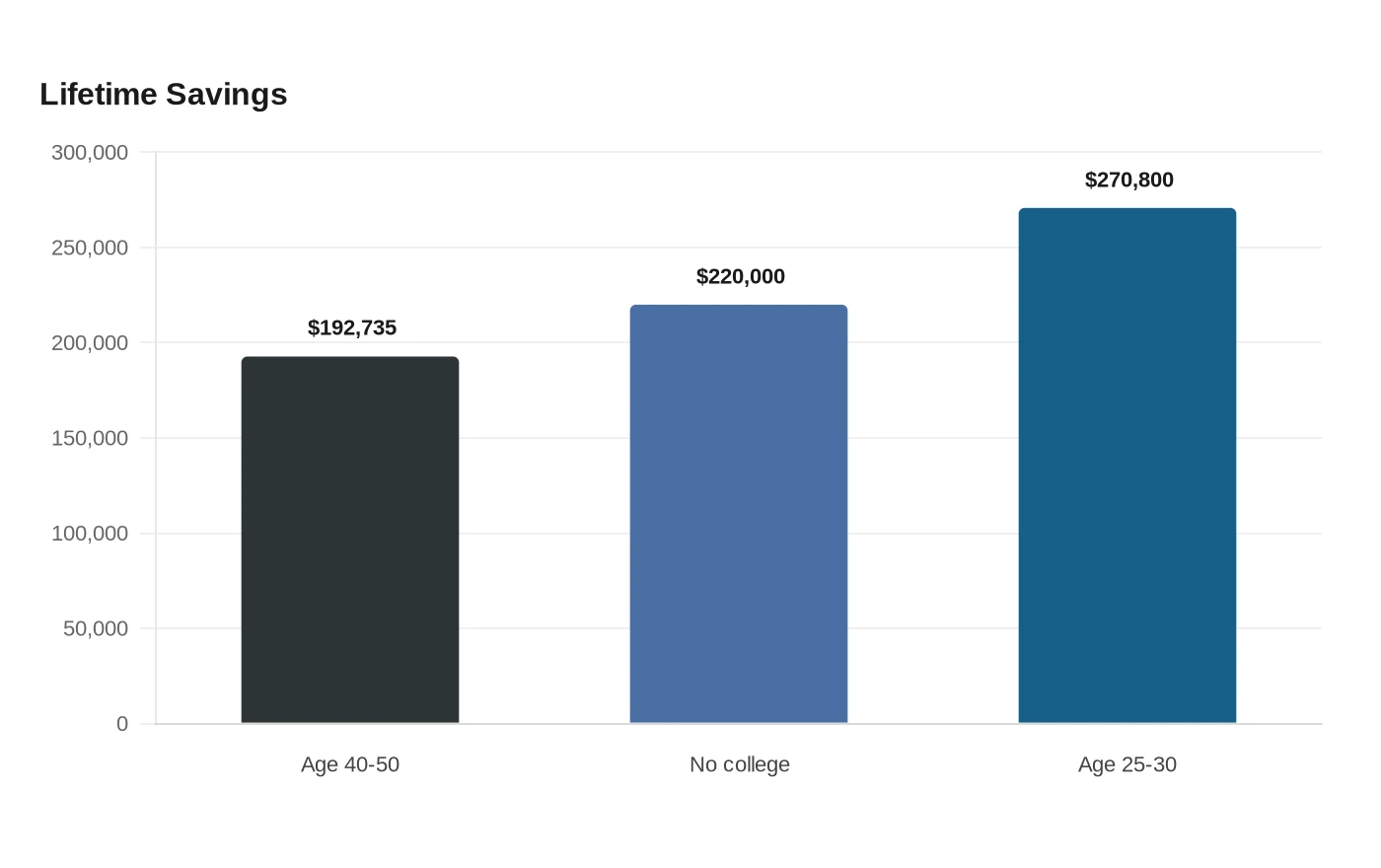
GLP-1 obesity drugs are usually judged by their monthly price tag, but a new estimate puts a much larger number on the other side of the ledger: for people ages 40 to 50, lifetime medical savings could average about $192,735. For adults in that age band without college degrees, the projected savings rise to about $220,000, showing how much of the value may come from avoiding expensive disease later rather than from today’s prescription bill.
The study also says timing matters. Starting treatment around ages 25 to 30 could push projected lifetime savings as high as $270,800, suggesting that earlier use may prevent years of obesity-linked complications that build costs over decades.
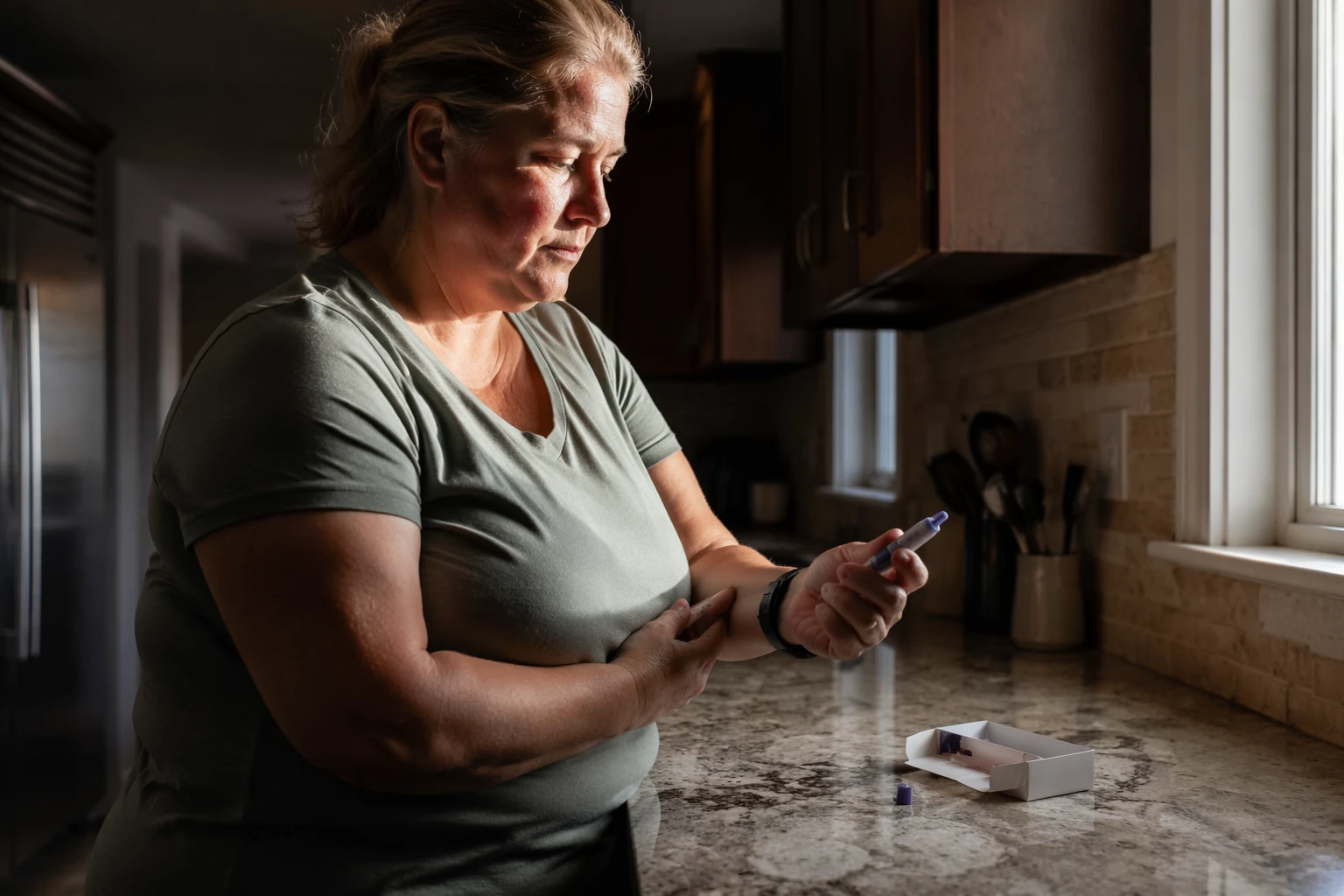
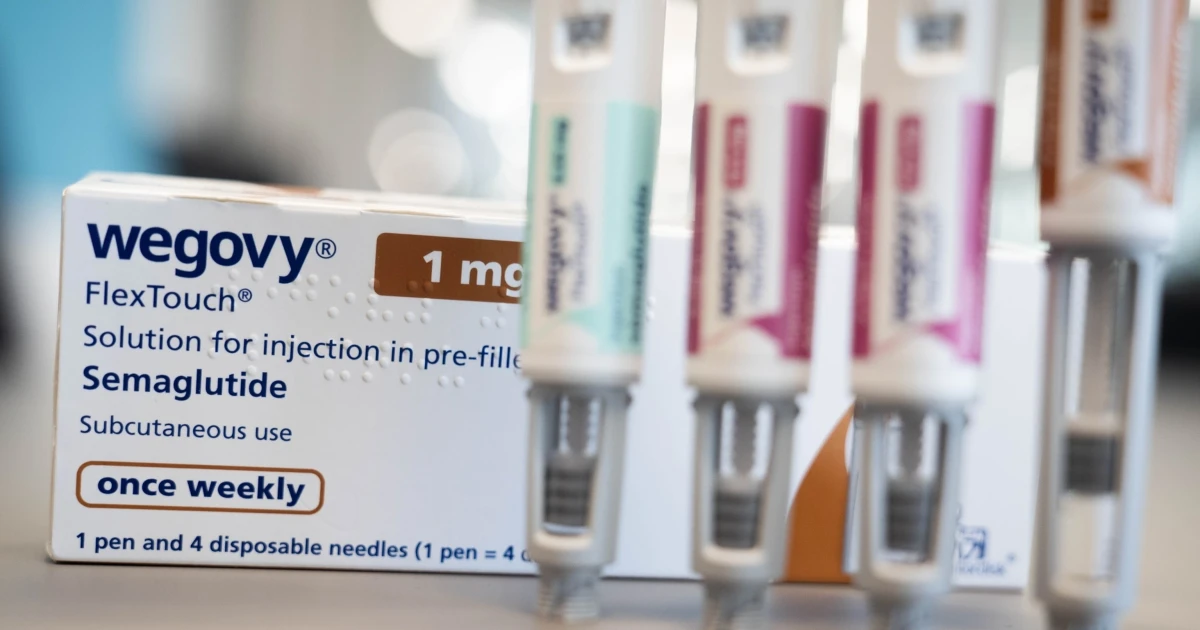
That does not mean every patient automatically comes out ahead. Wegovy and Ozempic still carry high sticker prices, and many insurers limit obesity-drug coverage, leaving many patients to pay out of pocket. In that setup, the person paying for the medicine today is not always the one who captures the financial benefit later.

The biggest beneficiaries are likely to be the payers that absorb long-run medical claims. Employer plans, pharmacy-benefit managers and public programs would be the ones seeing lower spending if GLP-1 drugs prevent the diabetes, heart disease and other chronic illnesses that drive future bills. Patients can still gain through better health, but the cash savings are spread across a system that often prizes short-term cost control over long-term prevention.
The lead author said he hoped putting a monetary value on GLP-1 benefits would help drive better access, a significant point as coverage remains uneven and demand keeps rising. The research is trying to reframe the debate from a prescription that can cost a lot each month to a treatment that may avert much larger expenses over a lifetime.
That shift matters for employers weighing benefit costs, for public programs deciding how broadly to cover obesity treatment and for drugmakers arguing that GLP-1 medicines are more than lifestyle products. The new figures suggest the question is not just whether these drugs are expensive today, but whether the health system can afford to keep restricting access to a therapy that may save far more over time than its sticker price implies.