Health
GLP-1 weight-loss drugs may improve testosterone and sperm quality in men
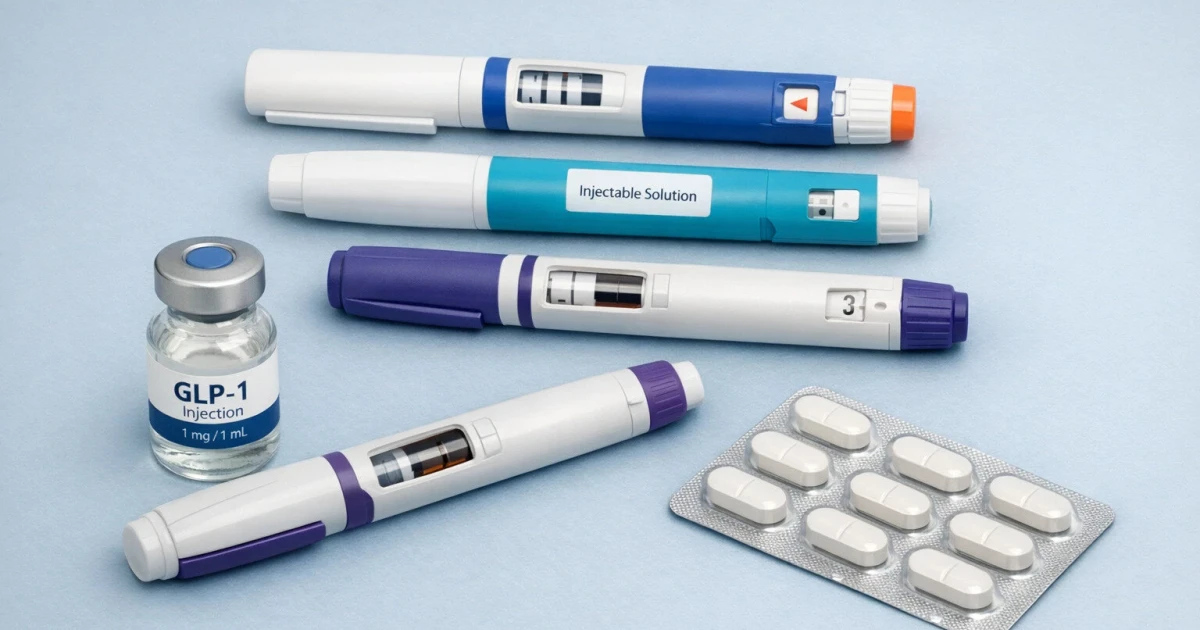
GLP-1 weight-loss drugs may be doing more than lowering blood sugar and body weight in men with obesity. In a review of five randomized trials presented at ENDO 2026 in Chicago, researchers found testosterone levels rose or held steady and sperm quality did not worsen, with some signs of improvement.
The analysis, led by Pratibha Natesh at Warwick Medical School and University Hospitals Coventry and Warwickshire in the United Kingdom, screened published randomized controlled trials in men ages 18 to 65. The team used two independent reviewers to reduce bias and examined testosterone, other reproductive hormones, sperm quality, body weight, blood sugar, cholesterol and overall metabolic health.

The clearest signals came from two studies. In a 24-week semaglutide trial, men showed better sperm shape and improved cholesterol, while testosterone remained stable. In a 16-week liraglutide study focused on men with obesity and low testosterone, participants had higher testosterone and related hormones, and their overall health outcomes were better than with testosterone replacement therapy alone.

That comparison matters because testosterone replacement can ease symptoms for some men, but it can also suppress spermatogenesis, the process that produces sperm. Natesh said the findings support moving away from simply replacing testosterone and instead treating the underlying problem, excess weight and poor metabolic health, which can depress fertility.
The Endocrine Society said the studies showed no negative impact on hormones, sexual function or sperm quality. It also said the reproductive benefits seen in the trials were likely indirect, rather than proof that GLP-1 drugs act as fertility treatments. The society framed the review as evidence-based information that could help patients and clinicians make more informed decisions about GLP-1 medicines.
Even so, the evidence remains narrow. Five trials is a small base for changing practice, and the researchers said larger, better-designed studies are still needed before doctors can make broad claims about fertility benefits. GLP-1 drugs have not been evaluated as treatments for male infertility or hypogonadism, and the current findings do not establish them as a substitute for established reproductive care.
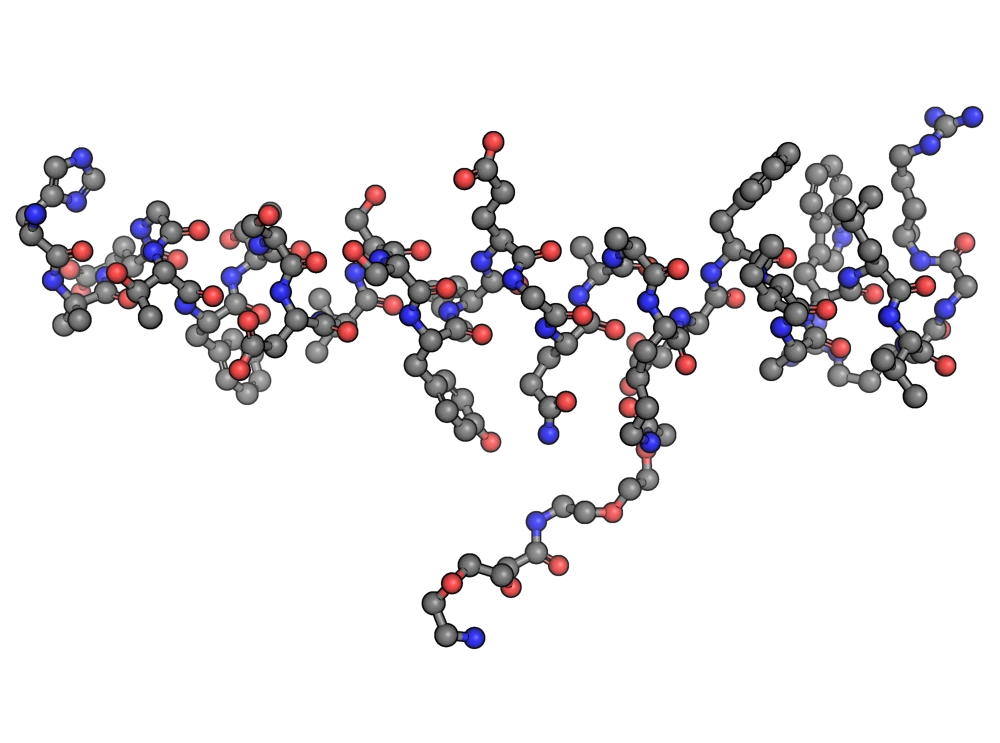
Still, the results are notable because they cut against an old fear that weight-loss drugs might harm male reproductive health. For men trying to lose weight while preserving fertility, the signal is cautiously encouraging: not a miracle answer, but an early hint that metabolic treatment and reproductive health may move in the same direction.
Sources
- [1]medicalxpress.com
- [2]endocrine.org
- [3]nature.com
- [4]pmc.ncbi.nlm.nih.gov