Lifestyle
GLP-1 weight-loss drugs send shoppers back to clothing stores
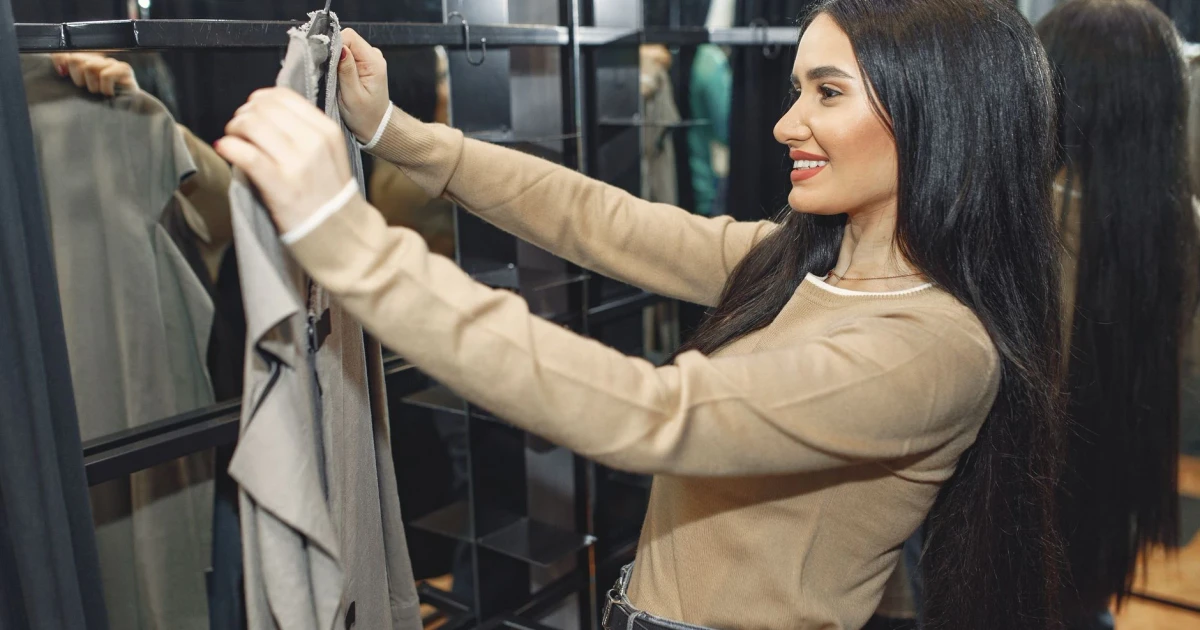
Nora Nye, 58, is rebuilding her wardrobe in Denver after losing 80 pounds on Mounjaro and sizing down for the first time in more than three decades. Her trip back to the fitting room captures a retail shift that is moving well beyond health care: as GLP-1 drugs change bodies faster than wardrobes can keep up, Americans are changing how they shop, what they buy and how often they need to try things on in person.
Why the fitting room matters again
The return to brick-and-mortar apparel shopping is not just nostalgia for malls. It is a practical response to rapid body changes and the limits of online sizing, which has long struggled to match how clothes actually fit on a live body. More than two-thirds of GLP-1 users are more likely to shop in-store, and among premium spenders surveyed by ReturnPro, 91% said they were more likely to shop in-store, compared with 69% of all GLP-1 users.
That preference makes sense when a shopper may be moving through sizes quickly. At peak weight loss, some GLP-1 users can drop a clothing size every month, and average weight loss runs about 15% to 20%. In that kind of transition, a return label is not just an inconvenience, it is a cost, a delay and a second guessing of fit that can make the fitting room feel safer than the checkout screen.
The shopping basket is changing too
GLP-1 drugs are not only altering where people buy clothes. Cornell University and Numerator found that users are spending less at coffee shops and fast-food chains, while also buying fewer snack foods and drinking less alcohol. At the same time, they are spending more on protein, fresh produce and activewear, which shows how the drugs are reshaping daily routines as well as wardrobes.
That mix matters for retailers because it signals a broader reallocation of household spending. When consumers buy fewer impulse snacks and more practical clothing, retailers lose some categories and gain others, often within the same trip. For apparel brands, activewear and versatile basics are becoming more important because they fit a life in transition, not a single fixed size.
The shift also has a social edge. Gallup says 15% of U.S. adults have tried GLP-1 medications for weight loss, while Reuters put current use at about 11% of Americans. That is large enough to influence mainstream shopping behavior, and it means the retail ripple effects are no longer limited to a niche group of early adopters.
What retailers are being forced to rethink
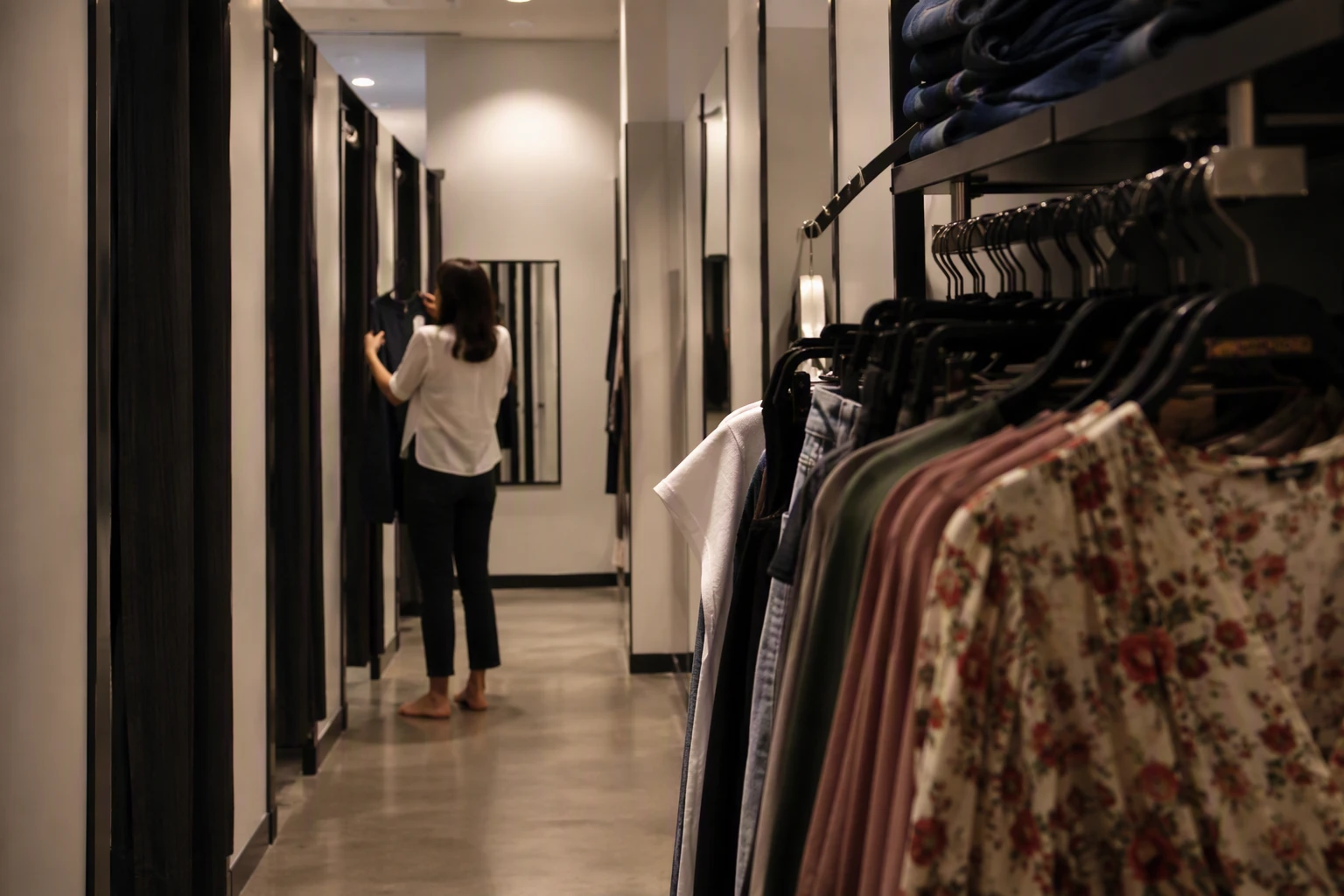
Retailers are watching this trend because it changes the economics of fit. When bodies change quickly, customers are more likely to need in-store advice, more likely to try multiple sizes and more likely to return to the same store several times as they move through a weight-loss journey. That gives stores with fitting rooms, attentive staff and easy exchange policies a better chance of winning business back from e-commerce.
The pressure reaches into inventory planning as well. If more shoppers move into smaller sizes in waves, apparel brands may need to rethink how much stock they hold in each size and how they sequence replenishment. A shopper who is losing weight steadily may not want to buy one final wardrobe all at once, but to replace pieces gradually as her body changes, which creates demand for flexible assortments rather than rigid seasonal buying.
That is why retailers are paying close attention to size distribution and merchandising. Some analysts and consultants say the industry may need to rebalance toward garments that can accommodate transition, including adjustable waistbands and other forgiving fits. The goal is not just to sell more clothes, but to reduce the friction that comes when shopping is happening around a moving target.
The industry response is already visible
The apparel business is treating GLP-1 use as more than a health trend. Circana has published analysis on the drugs’ impact on the U.S. apparel industry, and PwC has put out consumer-trends work focused on GLP-1 behavior. Those efforts show how quickly a medication can become a retail planning issue, affecting size curves, store traffic, and the kinds of products that deserve floor space.
The consumer signal is especially strong because it cuts across channels. In-store shopping is gaining appeal again, but the reason is not simply habit or preference, it is reassurance. When a shopper’s size can change from month to month, touching fabric, comparing cuts and asking for help in person can feel less risky than relying on a sizing chart that cannot keep pace.
For retailers, the lesson is not that online shopping is dead. It is that the basics of fit, exchange and inventory are becoming more important as GLP-1 drugs reshape bodies, budgets and buying patterns. The brands that adapt fastest may be the ones that treat the fitting room not as a relic, but as a newly valuable piece of the retail experience.
Sources
- [1]reuters.com
- [2]usnews.com
- [3]news.gallup.com
- [4]facebook.com
- [5]circana.com
- [6]pwc.com
- [7]inc.com
- [8]retaildive.com