Business
GM adds $675 million to Brazil investment plan
General Motors said it will add 3.5 billion reais, or about $674.88 million, to its Brazil plan, a move that raises its total planned investment in the country to 10.5 billion reais through 2028. The extra capital expands GM’s earlier Brazil commitment by 50% and keeps the automaker anchored in one of Latin America’s most important industrial markets.
Most of the new money is headed to São Paulo state, Brazil’s most populous and economically powerful state, where GM already has a major manufacturing and development base. The company has tied the spending to Chevrolet portfolio renewal, hybrid technology, factory modernization and upgrades to engineering systems, signaling that Brazil is being treated as more than a sales outpost. It is being positioned as a production and technology hub.
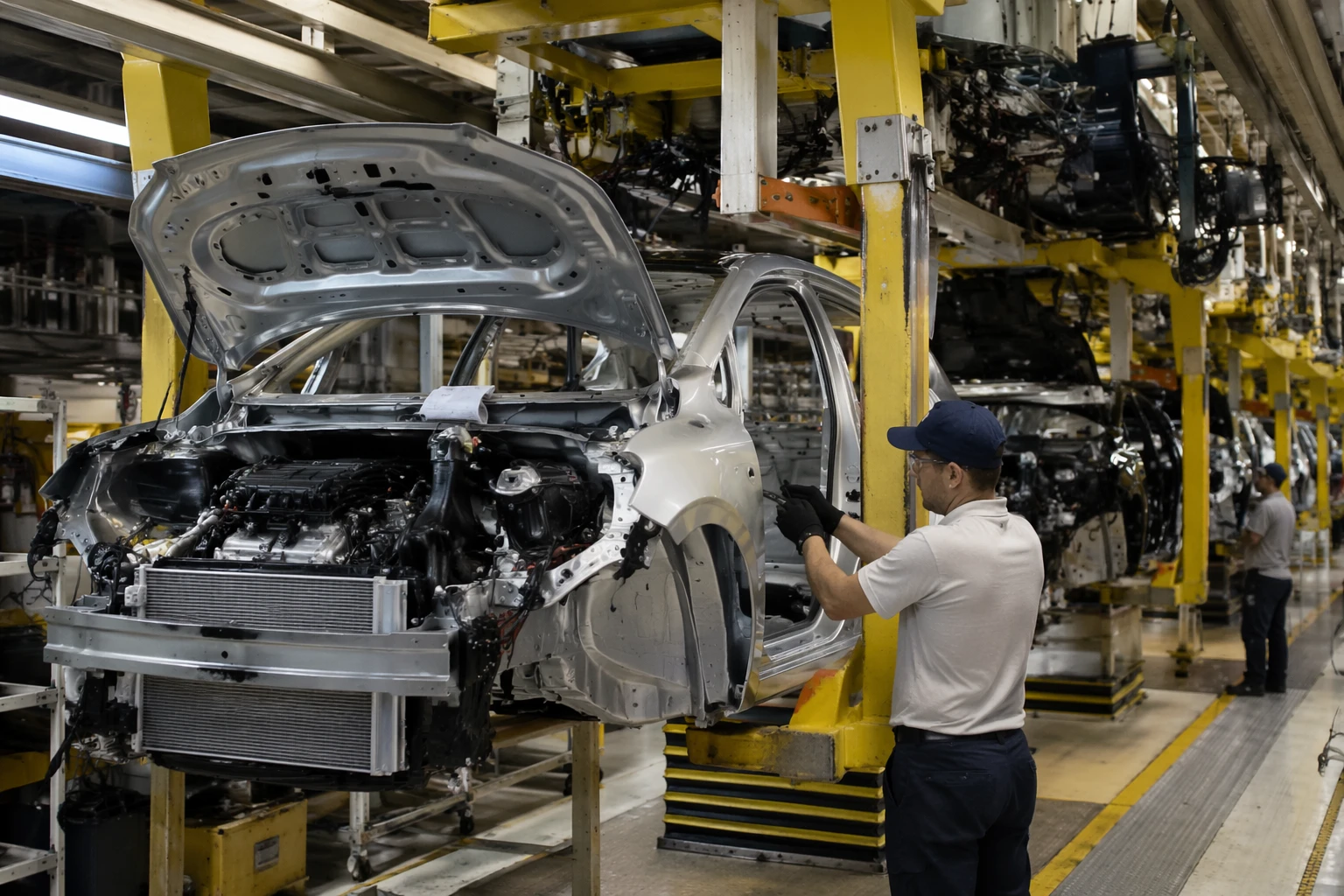
The latest tranche builds on a 7 billion-real program GM announced in January 2024, a plan that was framed around sustainable mobility and a complete renewal of the automaker’s vehicle portfolio in Brazil. Later reporting broke out 5.5 billion reais of that amount for operations in São Paulo state. GM’s industrial footprint there includes two manufacturing complexes, a stamping plant, a logistics center and the largest vehicle development center in South America.
Brazil also fits GM’s technology strategy. In 2024, the company said it planned to begin producing ethanol-capable hybrid-flex vehicles in the country, with the first model expected to reach the market in 2025. Those vehicles are designed to run on 100% ethanol or gasoline alongside battery power, a configuration tailored to a market where ethanol has a long-established role in fuel use.

The new investment suggests GM is betting that local production and engineering capacity will matter more, not less, as automakers adapt plants for lower-emission vehicles and rebuild regional supply chains. It also underscores the commercial logic of deepening capital in Brazil, where the company can refresh Chevrolet models, support skilled jobs and strengthen its position against rivals modernizing their own operations.