Business
GM raises profit outlook as resilient demand boosts truck sales

General Motors raised its 2026 profit outlook to $14 billion to $16 billion on Tuesday after another quarter of strong truck and SUV margins, even as U.S. auto sales fell 4%. The company said second-quarter revenue reached $48.0 billion, net income attributable to stockholders was $1.3 billion and EBIT-adjusted profit came in at $3.9 billion.
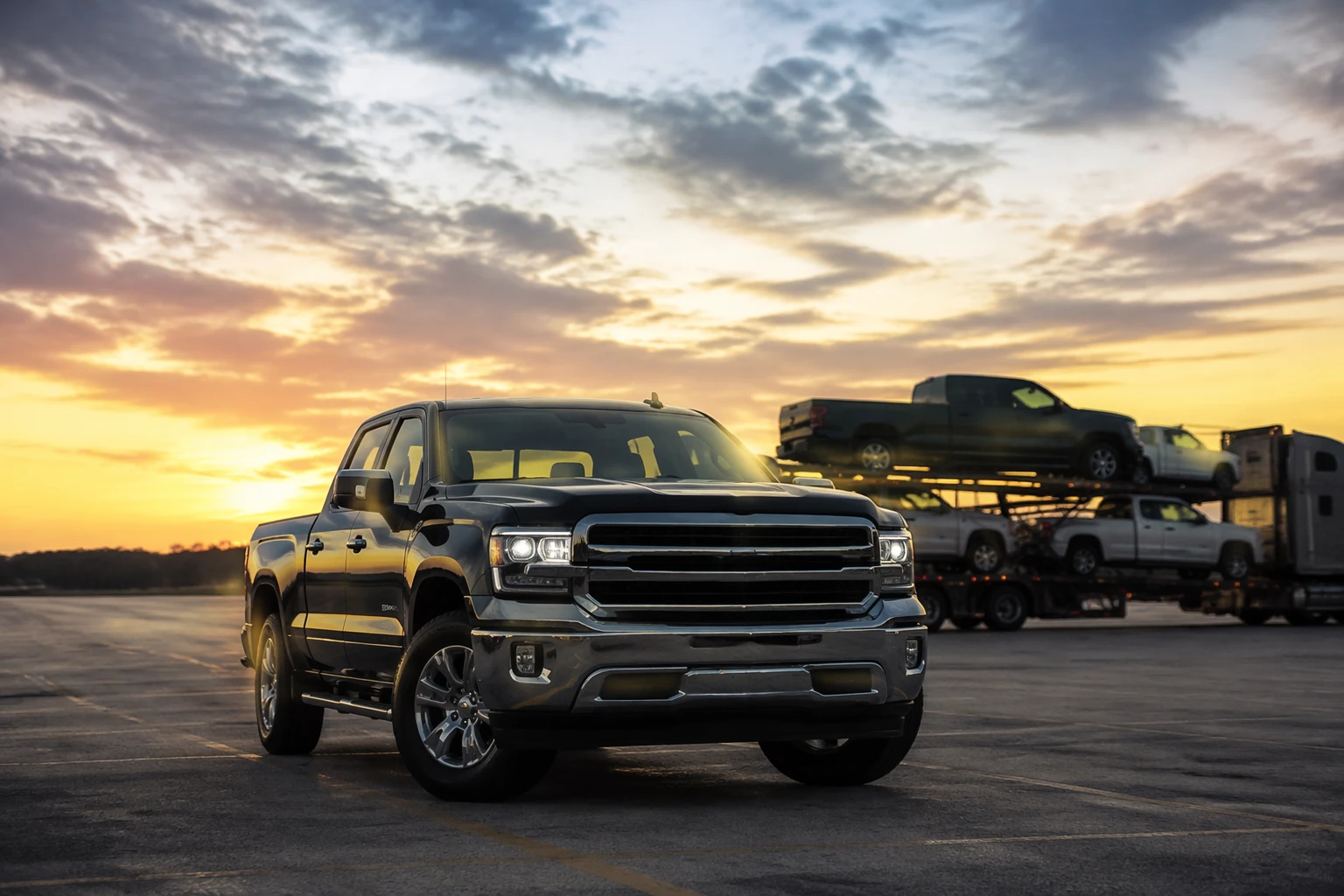
The higher forecast, lifted for the second time this year, points to a company still benefiting from buyers willing to pay for its most profitable vehicles. GM said the improvement was driven by stronger margins on its biggest models and lower tariff costs, a combination that helped offset softer unit sales. Second-quarter core profit rose 30% on the strength of profitable SUVs and pickups, while North American profits jumped 43% from a year earlier.
That mix matters because it shows how much GM’s earnings still depend on trucks and SUVs, even in an environment of high borrowing costs and expensive vehicles. Weakness in volume can be absorbed when pricing holds and the product mix stays tilted toward larger vehicles with fatter margins. GM’s own numbers show that dynamic clearly: sales were softer, but earnings improved enough for management to raise the full-year profit target again.
The company now expects 2026 net income attributable to stockholders of $8.4 billion to $9.8 billion and declared a quarterly dividend of $0.18 per share. For investors, that gives GM room to keep funding vehicle launches and plant upgrades while still returning cash to shareholders. It also leaves the company with some cushion if the auto market cools later in the year or if tariff-related costs shift again.
The outlook is a reminder that the auto market is still being shaped less by unit growth than by pricing power and vehicle mix. Buyers are not retreating from the market in a straight line, but demand is concentrating where automakers make the most money. For GM, that means the truck and SUV business remains the anchor of earnings even as the electric-vehicle transition stays uneven and costly.
Sources
- [1]reuters.com
- [2]investor.gm.com
- [3]youtube.com