Business
GM teams with Peak Energy on sodium-ion grid storage batteries
General Motors is pushing beyond electric cars and into the battle over who will power America’s data centers and stabilize a strained grid. In a new partnership with Peak Energy, GM said it will develop sodium-ion battery cells for stationary storage in Michigan while keeping exclusive manufacturing rights, a move that could help the automaker turn battery research into a broader industrial business.
The pitch is straightforward: sodium-ion batteries promise lower costs, better safety and less dependence on contested minerals than many lithium-based systems. Peak Energy says its system can reduce energy-storage costs by 20% compared with conventional systems and deliver more than 99% uptime. The companies also say that switching from lithium iron phosphate, or LFP, systems to Peak’s passively cooled design could cut U.S. battery-storage energy waste by as much as 2 terawatt-hours a year, enough to power a midsized city for a year.
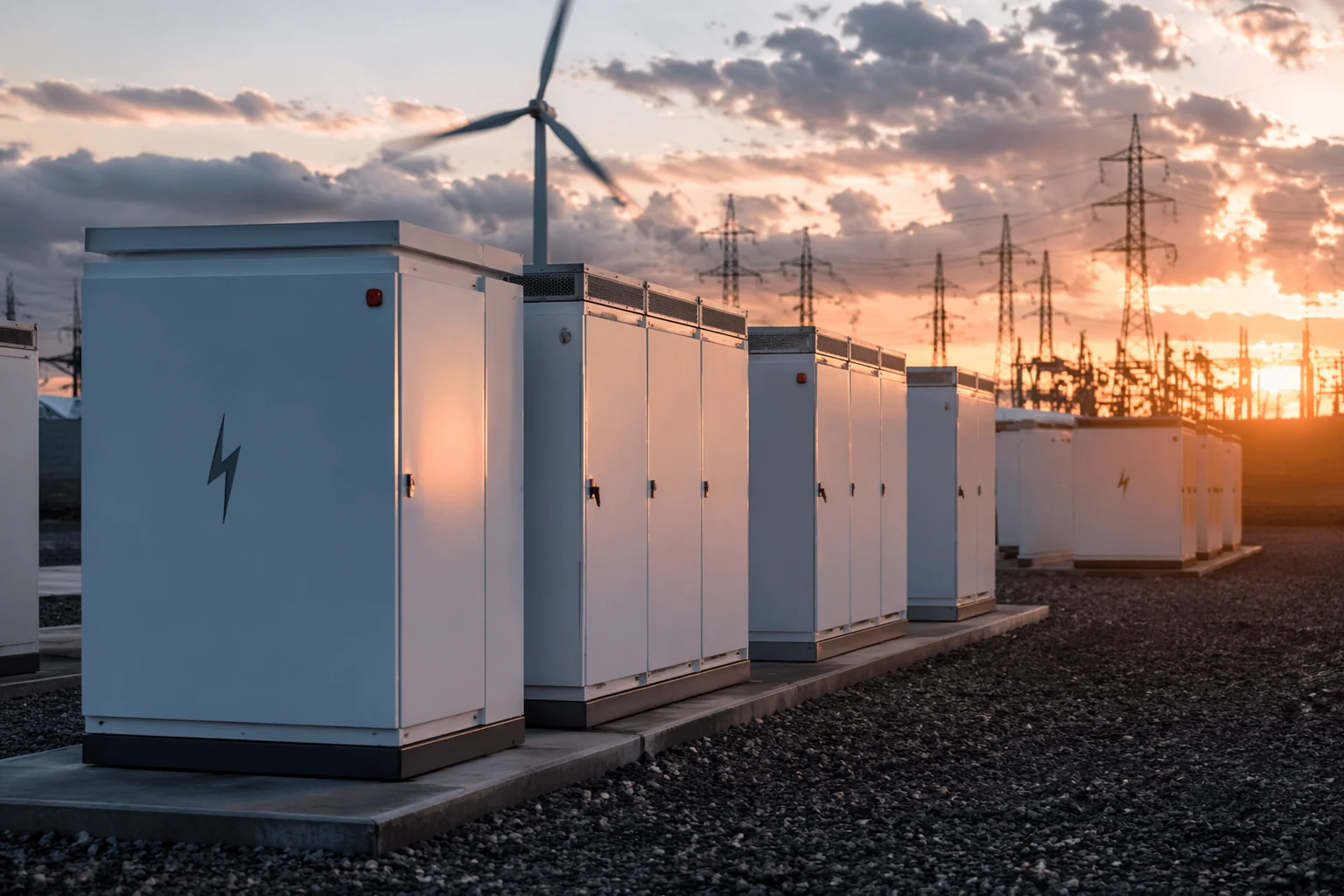
Kurt Kelty, GM’s battery chief, said the right battery depends on the job and that sodium-ion is the right fit for grid-scale stationary storage. He said GM’s prototypes are performing well at 55 Celsius, or 131 Fahrenheit, a measure meant to underscore the chemistry’s durability in hot, demanding conditions where active cooling adds cost and complexity. GM Ventures is backing Peak Energy as part of the deal.
The partnership is also a bet on where demand is headed. Data-center electricity use is rising sharply, and utilities are looking for backup power and long-duration storage that can be deployed faster and operated more cheaply than today’s systems. GM has already been widening its energy ambitions beyond cars through GM Energy, which it outlined in 2022 with Ultium Home, Ultium Commercial, bidirectional charging, vehicle-to-home and vehicle-to-grid offerings, stationary storage, microgrids, cloud management tools and other systems designed to help customers and utilities manage outages and peak demand.
GM’s sodium-ion push fits a larger strategy inside the company: use different chemistries and form factors for different jobs. The automaker is also pursuing lithium manganese-rich prismatic cells with LG Energy Solution, which it aims to commercialize in EVs by 2028. For GM, that technology-agnostic approach is meant to improve cost, range, charging speed and supply-chain resilience at the same time.
The competition is still formidable. Asian battery makers dominate much of the global supply chain, and GM’s plan to control development in Michigan while Peak handles system integration is an attempt to build a U.S.-anchored alternative for critical storage hardware. Commercial production is targeted for 2028, leaving GM with time to prove that sodium-ion can scale from promising lab chemistry to a real challenge in grid storage.
Sources
- [1]techcrunch.com
- [2]prnewswire.com
- [3]forbes.com
- [4]investor.gm.com
- [5]iea.org