Business
Gold Prices Fall Despite Rising Middle East Tensions
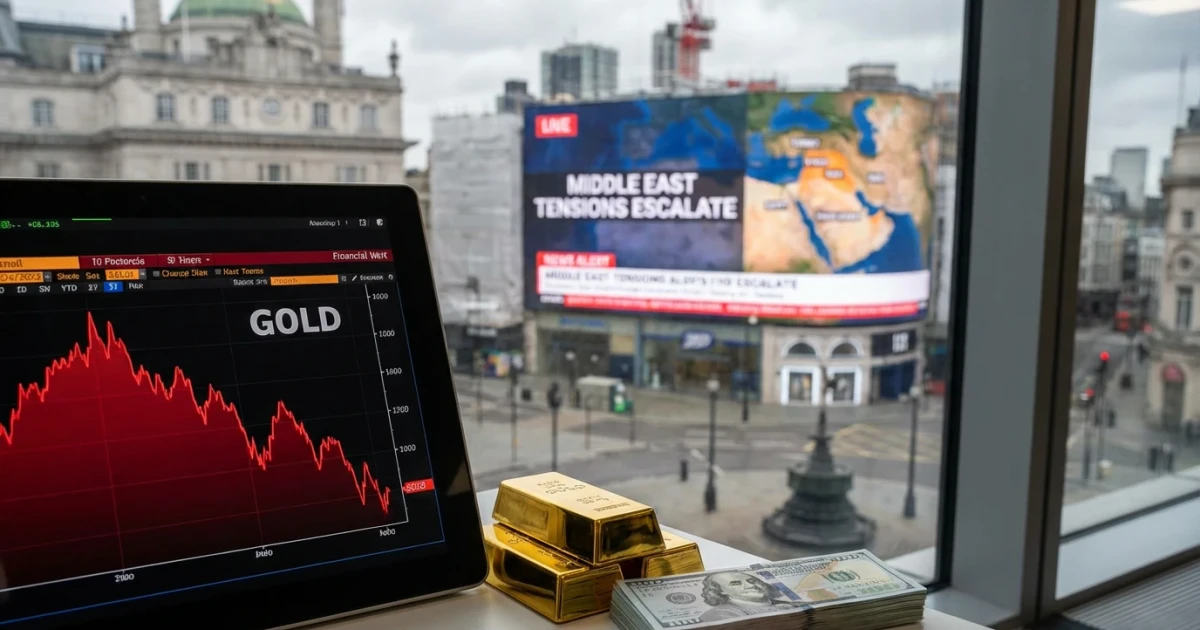
Gold prices declined sharply this week even as geopolitical risks in the Middle East intensified, defying expectations that the precious metal would rally during increased global uncertainty. While gold is often seen as a safe haven during times of crisis, analysts point to a strengthening US dollar and changing Federal Reserve rate expectations as key factors behind the unexpected drop.
Gold Declines Amid Geopolitical Turmoil
According to Barron's, gold prices slid despite the outbreak of renewed hostilities in the Middle East, as markets prioritized other economic forces over traditional safe-haven flows. The publication noted that the ongoing conflict led to a brief spike in gold, but this was quickly overshadowed as investors weighed broader macroeconomic developments.
- Gold and silver prices both plunged in trading as the war risk premium was offset by other market forces.
- Analysts cited by Yahoo Finance highlighted that the precious metals market is being driven more by US monetary policy and currency dynamics than by geopolitical events.
Strong Dollar and Fed Outlook Dominate
One of the main drivers behind the gold price slide has been the strengthening US dollar. As the dollar gains value, gold becomes more expensive for buyers using other currencies, reducing demand. This dynamic has been particularly pronounced as investors anticipate the Federal Reserve may keep interest rates elevated to combat inflation, making non-yielding assets like gold less attractive.
Market watchers observed that the gold price decline ran counter to its traditional role as a hedge during periods of instability. However, the prospect of higher real yields in the US has led to outflows from gold-backed funds and a shift toward the dollar and Treasurys.
War Risk Premium Offset by Economic Factors
While there is typically a war risk premium that supports gold in times of conflict, Barron's and Yahoo Finance agree that the current market environment is different. The rapid movement of capital toward assets seen as safer in a strong-dollar world has diminished the metal's appeal, even as headlines from the Middle East drive volatility in other asset classes.
- The expectation of continued US rate hikes has dampened appetite for gold as an inflation hedge.
- Silver has followed gold lower, with both metals pressured by similar macro factors.
Looking Ahead: Will Gold Rebound?
Though the immediate reaction to geopolitical headlines has been muted in the gold market, analysts note that conditions could shift if global risks intensify or if the Federal Reserve signals a change in policy stance. For now, historical price data shows that gold has struggled to gain traction amid a firmer dollar and hawkish central bank outlook.
Investors will continue to monitor developments in the Middle East, US inflation trends, and Federal Reserve communications for signs that the balance of risks may again favor the traditional safe-haven role of gold. For those seeking deeper context, official weekly CFTC commitments of traders reports offer insights into positioning and sentiment in the gold futures market.
As markets digest the crosscurrents of war risk and economic headwinds, gold's next move will depend on whether safe-haven demand can overcome the current dominance of monetary policy and currency strength.