Sports
Golf governing bodies delay ball rollback rule until 2030
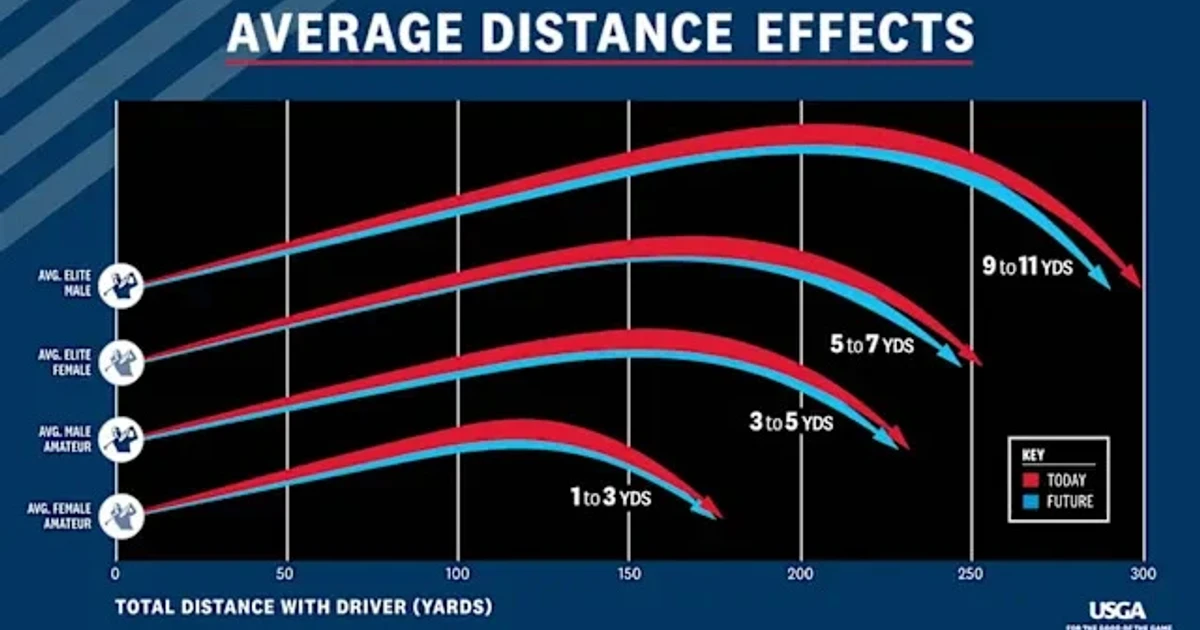
The USGA and The R&A have pushed golf’s long-debated ball rollback to a single January 2030 start date, stepping back from a phased rollout that had been set to begin in 2028. The decision keeps the sport’s biggest equipment fight alive, but it also buys manufacturers, tours and players more time to adapt to a rule aimed at slowing distance gains.
At the center of the change is the Overall Distance Standard, which will still cap a ball at 317 yards with a 3-yard tolerance. What changes is the testing setup: clubhead speed will rise to 125 mph from 120 mph, with an 11-degree launch angle and 2,220 rpm of spin. The USGA said the update is the first to the golf-ball testing speeds in 20 years, while the current test itself dates to 1976.
The governing bodies have argued for years that the sport’s increasing hitting distances threaten course integrity and the long-term sustainability of the game. Their published material says the issue is not only about elite performance but also about the land, water, maintenance and construction costs that come with stretching courses to keep up. The USGA and The R&A said their Distance Insights project began in 2018, building on a concern that traces back at least to the 2002 Joint Statement of Principles.

The delay reflected pressure from the game’s power centers. The June 17 joint statement was issued by the USGA, The R&A, the PGA Tour and the DP World Tour, a rare show of alignment in a fight that has often split golf’s leadership. Stakeholder feedback, including input from the PGA Tour’s Player Advisory Council, favored a single implementation date in January 2030 over the earlier two-step plan. That makes the politics of the rule change as important as the rule itself: the tours resisted a rushed transition, while the rulemakers chose to slow down rather than force a confrontation.
For manufacturers, the delay reshapes product planning. Golf-ball makers now have a longer runway to design around a standard that could change how the game’s best players generate distance, and potentially how brands market performance to the broader public. The USGA says recreational golfers can continue using balls on the 2027 conforming list for play until 2030, preserving continuity while the industry adjusts.

The numbers explain why the fight has become so charged. A USGA report said average driving distance across major tours rose about 4.0% from 2003 to the end of the 2023 season, and that nearly 40,000 shots are measured each year for PGA Tour distance statistics. With many players now driving far beyond earlier norms, the delay keeps open the debate over whether technology has begun to outpace the courses and traditions the sport was built on.
Sources
- [1]thestar.com.my
- [2]usga.org
- [3]rulesworkshops.usga.org
- [4]mediacenter.usga.org
- [5]randa.org
- [6]golfweek.usatoday.com
- [7]nytimes.com