US News
Good Housekeeping survey spotlights uneven split of household chores
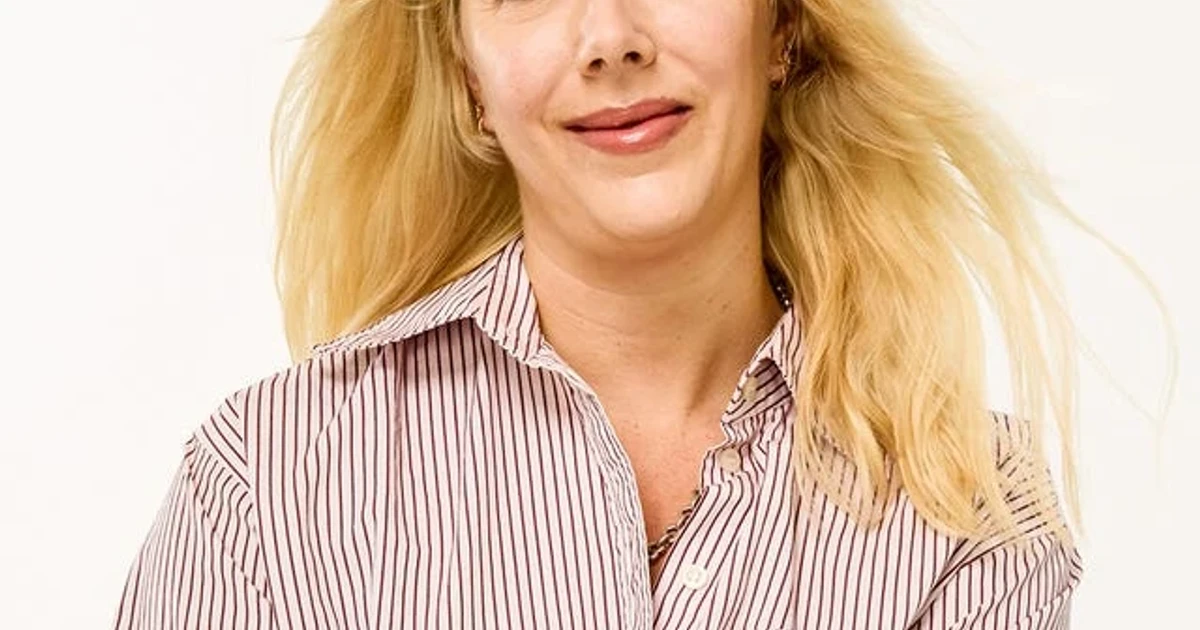
Elspeth Velten, Good Housekeeping’s editor-in-chief, used a CBS Mornings appearance to put a hard number on a familiar domestic imbalance: 16% of respondents said they do all the chores themselves, and 43% said they do most of them. Those figures make the argument over housework less about attitudes in the abstract and more about who is still carrying the unpaid workload at home.
The survey lands alongside national labor data that show the issue has not disappeared even as more households rely on dual earners. The U.S. Bureau of Labor Statistics said that in 2025, 75% of men and 87% of women did some household activities on an average day, including housework, cooking, lawn care and household management. The bureau’s American Time Use Survey also tracks paid work, childcare, volunteering and socializing, underscoring how much of daily life is still spent outside paid labor.
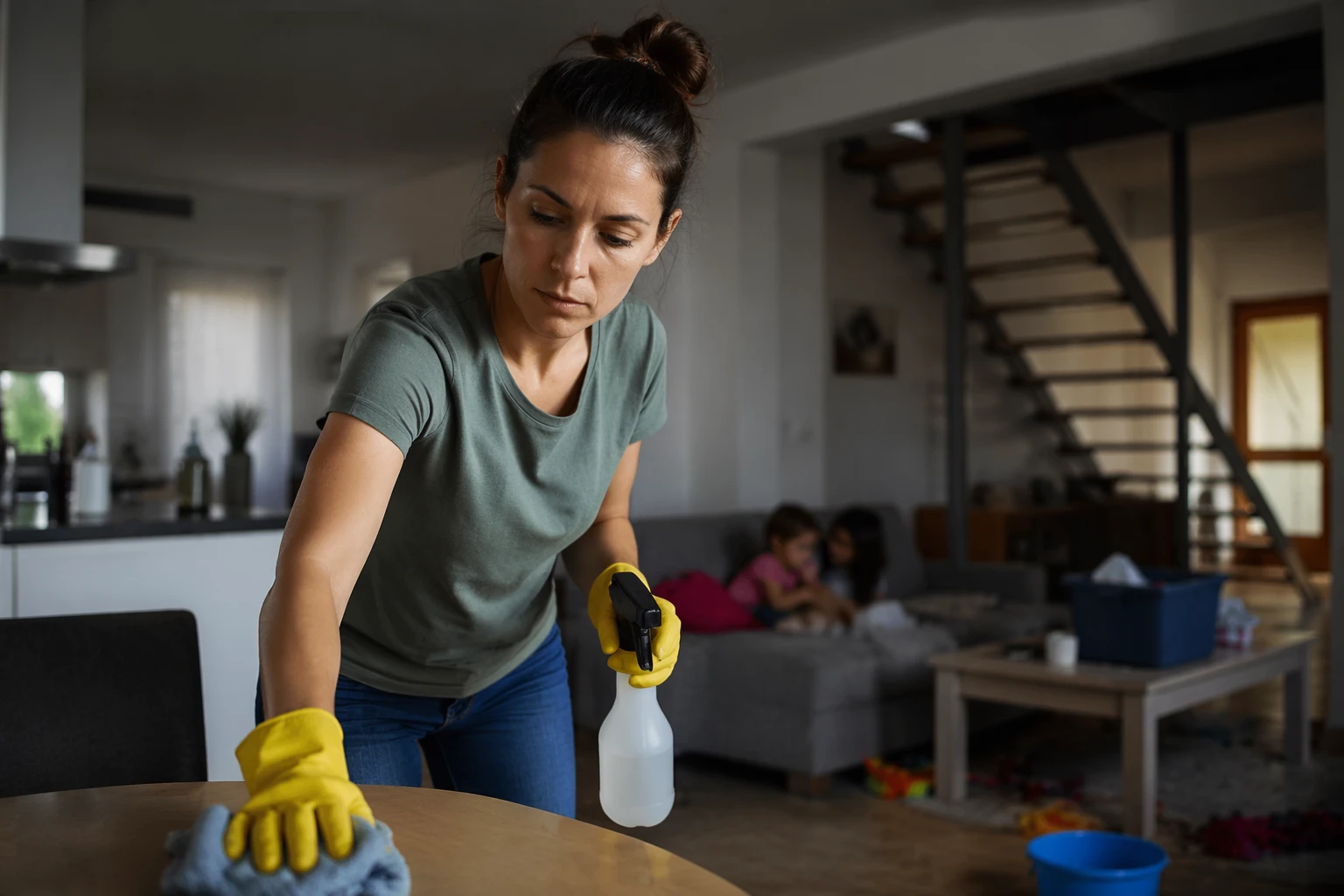
The split is not just about whether chores get done, but about how the burden is negotiated inside marriages. A 2023 Pew Research Center analysis found that in opposite-sex marriages, wives still spend more time on caregiving and housework even when earnings are similar. Husbands, by contrast, spend more time on paid work and leisure. Pew also found that public attitudes about gender roles in marriage remain part of the picture, suggesting that pay parity alone does not erase expectations about who should pick up the laundry, cooking and child care.
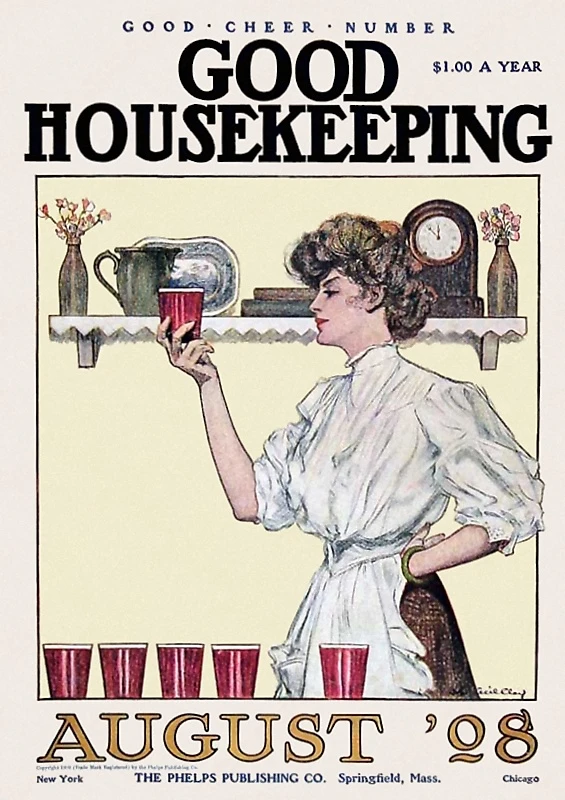
That helps explain why a survey about chores can resonate well beyond one magazine’s readership. Good Housekeeping has long made domestic labor central to its identity, and Good Housekeeping UK says the magazine first published in March 1922. The brand’s historical promise that home life should not be defined by drudgery still fits a modern debate in which many couples are not arguing over whether to share chores, but over how fairly the work is assigned and who ends up doing the invisible extra.
CBS News published the segment on July 9, 2026, as the national conversation around unpaid labor continued to run through the same fault lines: gender, earnings and the stubborn gap between shared ideals and shared work. The latest numbers suggest that the division of chores remains uneven not because households have stopped trying, but because the burden is still landing disproportionately on women.
Sources
- [1]cbsnews.com
- [2]bls.gov
- [3]pewresearch.org
- [4]goodhousekeeping.com