Technology
Google-backed Apptronik opens Austin robot training hub, unveils Apollo 2

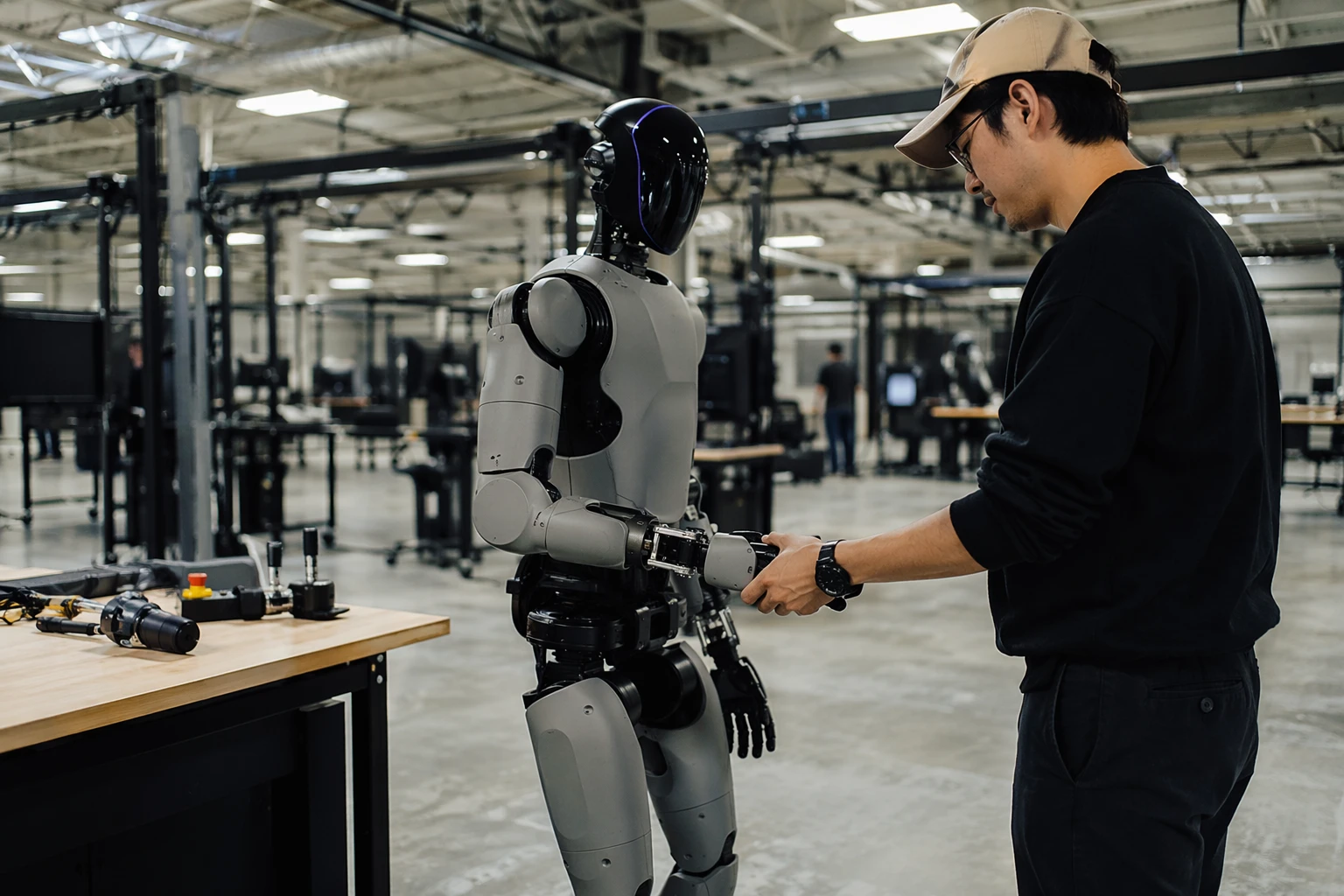
Apptronik opened a nearly 90,000-square-foot Austin facility on Tuesday to train humanoid robots on real logistics, manufacturing and retail work, while also unveiling Apollo 2 as the company pushes harder toward commercial deployment. The new site, called Robot Park, is designed to generate the data Apptronik says is still missing from humanoid robotics: enough real-world behavior to move machines from pilots into production use.
The company describes Robot Park as its flagship data collection and training facility and says the Austin site is only the anchor for a growing global network of Robot Parks at customer and partner locations. Apptronik says similar workflows are already running at Google DeepMind and at customers such as Mercedes-Benz and GXO Logistics, a sign that the bottleneck is no longer whether humanoids can be built, but whether they can be trained quickly and reliably enough to be useful at scale.
Apollo 2 sits at the center of that effort. Apptronik says the current version of the robot platform is available in both bipedal and wheeled-base configurations and is built for real-world mobility, manipulation and interaction in spaces designed for people. The company says Apollo 2 has been operating for more than a year as a data-collection platform, feeding observations back into artificial intelligence systems rather than being treated as a finished worker robot.
That distinction matters because Apptronik is still describing a long runway to broad deployment. The company says Robot Park data helps advance Gemini Robotics, Google DeepMind’s robotics AI effort, which is built for robots of many shapes and sizes, including Apollo. Google DeepMind says the models are intended to help robots reason, plan and act in the physical world, making the training hub as much an AI asset as a hardware one.
Apptronik’s own timeline shows how far the commercialization path still has to go. In February, the company said it raised $520 million in a Series A extension, valuing Apptronik at about $5 billion and bringing total Series A funding to more than $935 million. Apptronik said the capital would support a production ramp-up, expanded pilot deployments and new training and data-collection facilities. The company has said it expects to continue piloting through this year and to see real production versions in 2027 and beyond.
Jeff Cardenas, Apptronik’s chief executive, has framed the business as an industrial pipeline in which the company is building both the robots and the information used to improve them. That strategy reflects the wider challenge in humanoid robotics: prototypes can impress investors and corporate partners, but consistent performance in warehouses, factories and stores still depends on massive amounts of task data.
Apptronik says Apollo grew out of work on more than 10 earlier robots, including NASA’s Valkyrie, and the company has been adding leadership ahead of expansion. On April 28, 2026, it announced senior hires from Waymo, Boston Dynamics and Amazon, underscoring how aggressively it is building for a market that remains promising, expensive and far from settled.
Sources
- [1]whbl.com
- [2]apptronik.com
- [3]deepmind.google