Technology
Google changes privacy settings, letting AI train on more user data

Google updated its Gemini Apps privacy hub on June 29, 2026, and the settings now spell out how much user activity can feed its AI systems. The company says Gemini Apps may collect chats, uploaded files, images, audio, videos, screen-shares and other activity, with controls centered on Gemini Apps Activity and Keep Activity.
For personal accounts, Google says users can pause Gemini Apps Activity and delete past activity to stop future use of those conversations for model training. For work or school accounts, the setting is controlled by a Google Workspace administrator, not the individual user. A Google Help Community answer also warns that turning off Gemini Apps Activity can remove chat history, making the opt-out a tradeoff rather than a clean switch.
The broader pattern is the same across Google products: the company is using product-specific controls instead of one universal privacy setting. Google’s Home privacy materials say that when Home History is on, Google uses activity to develop and improve its services, including training generative artificial intelligence models. That means users who interact with Gemini, Search, Android and Home can end up contributing data to training through ordinary use unless they change defaults or disable activity logging.
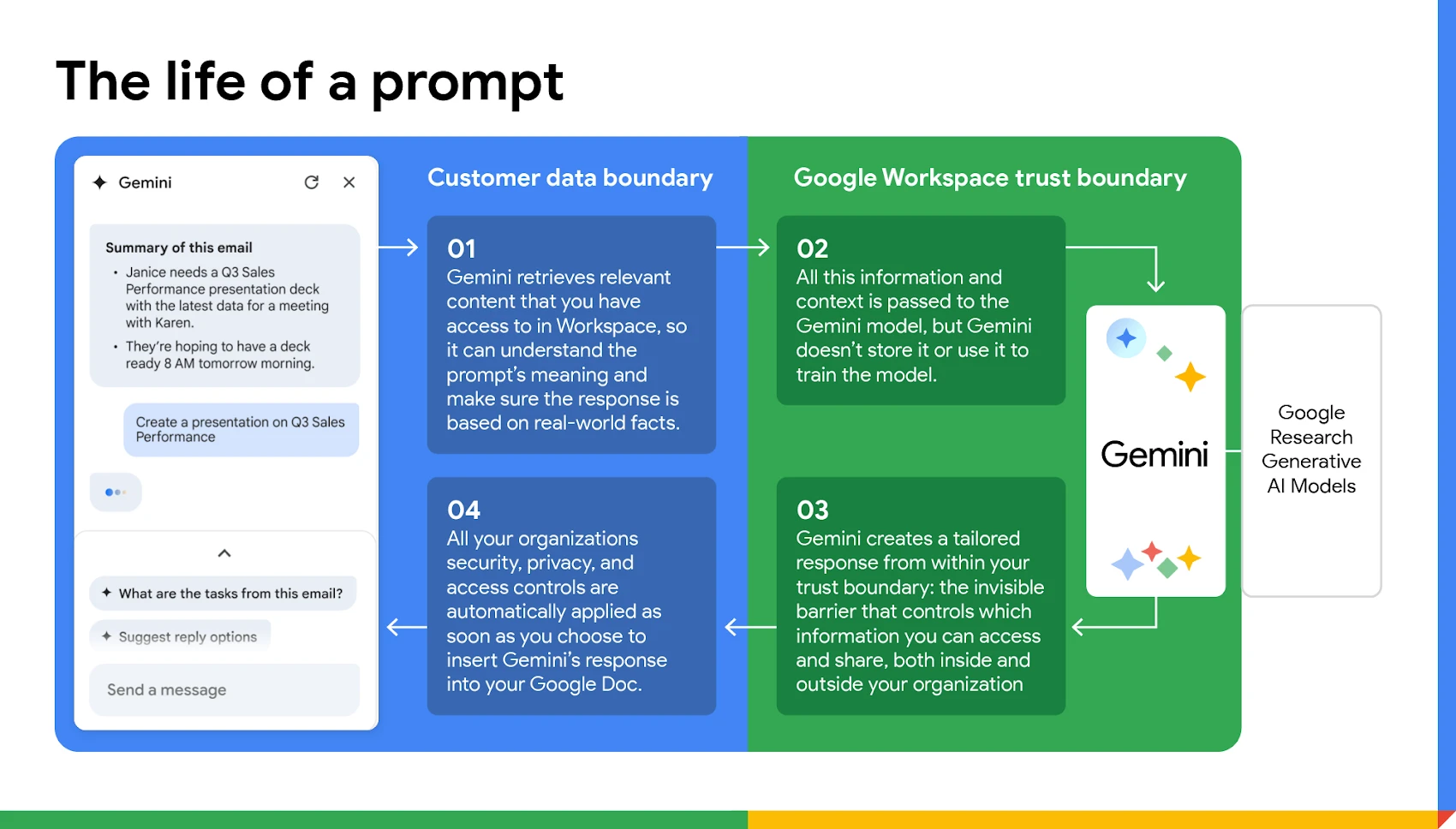
Google’s privacy-policy archive shows the company keeps previous versions of its Privacy Policy and comparisons of what changed, but the practical burden still falls on users to track each setting separately. Recent reporting says the new search-related AI training toggle is rolling out gradually and may not be visible to all users immediately, which makes the timing of the change harder to pin down for anyone checking their account today.
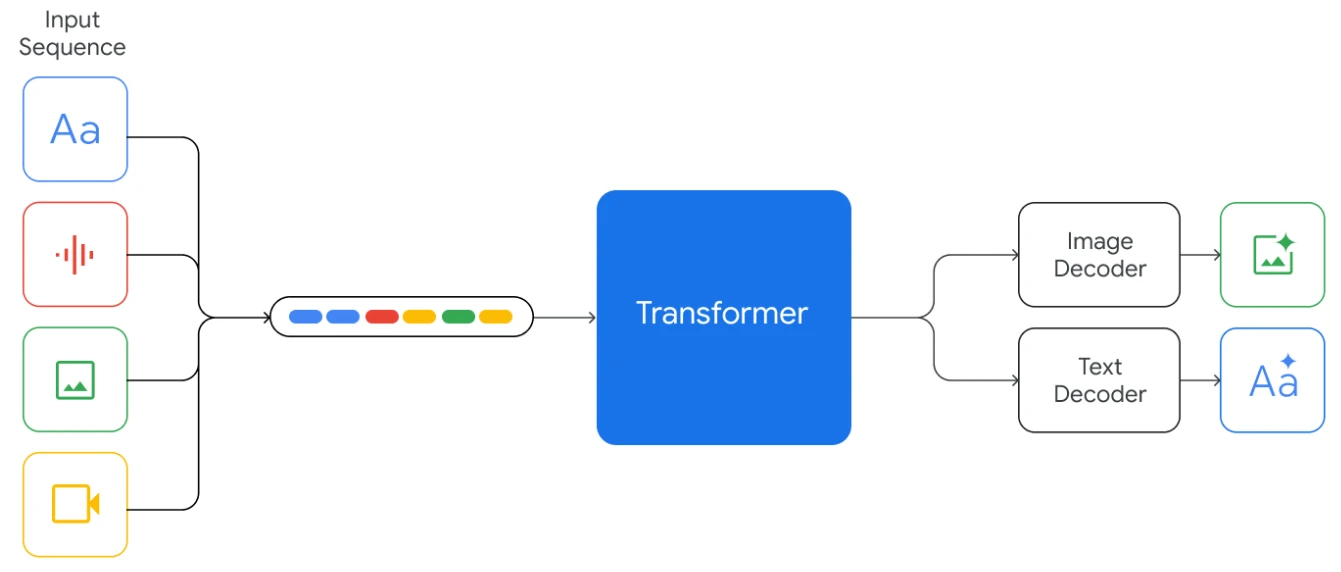
For users who want to limit what Google can use, the immediate step is to review Gemini Apps Activity, delete past activity if needed, and check Home History and My Activity controls as well. The settings are spread across different products, and that fragmentation is now part of the privacy story: consent is buried inside multiple menus, while the company’s AI systems are increasingly built to learn from the data those menus govern.