Technology
Google Expands Gradient Icon Design Across Apps
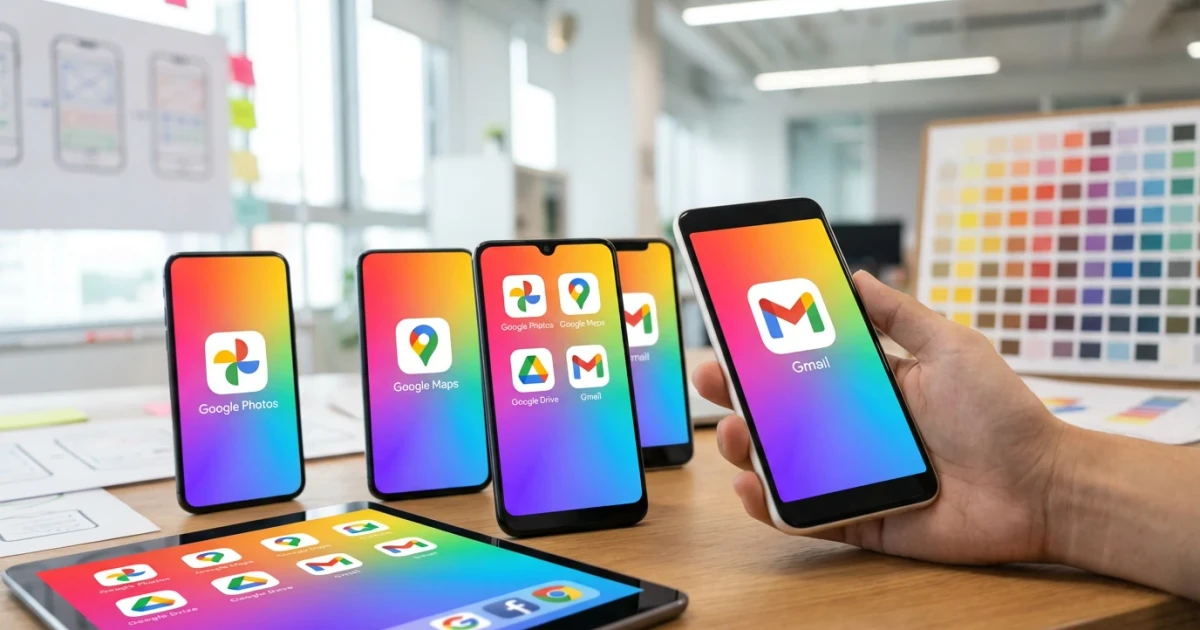
Google is broadening the reach of its new gradient icon design, signaling a consistent visual update across its suite of applications. The move, first reported by The Verge, follows earlier transitions in Google’s core services and aims to unify app appearance, enhance user recognition, and reflect the company’s evolving design philosophy.
Gradient Icons: A Unified Approach
The update introduces gradient color schemes across Google app icons, replacing the previously flat design language. This shift is rooted in Material Design’s latest guidelines, which emphasize dynamic color, depth, and adaptability. Google’s design team has highlighted the benefits of gradients—including improved visibility, a sense of movement, and easier differentiation between apps—especially as users juggle dozens of icons across devices.
According to the evolution timeline compiled by UX Design, Google began adopting gradients in 2020 with flagship apps like Gmail, Drive, and Photos. The latest expansion brings the new style to a broader range of apps, affecting both core utilities and third-party integrations.
Design Details and Implementation
- Gradients blend multiple hues, offering a richer palette than single-color icons.
- Material Design’s color system supports custom gradients, ensuring each app’s icon remains distinctive while fitting within the unified family.
- Android developers are advised to follow updated iconography guidelines for compatibility, including shape, size, and color standards.
- The new icons are designed for adaptive use, meaning they scale smoothly across devices and screen sizes—from phones and tablets to Chromebooks.
Google’s icon database now features hundreds of gradient-based icons, with visual previews and downloadable resources for developers. The design update is expected to roll out automatically via app updates in the coming weeks.
Impact for Users and Developers
For users, the change means a more consistent interface, with icons that visually tie together the Google ecosystem. The update addresses a longstanding challenge: users often struggle to quickly distinguish between similar-looking icons, especially as the number of apps in Google Play Store has surpassed 3 million. Enhanced icon clarity is expected to reduce confusion and improve app navigation on crowded device screens.
- Developers are encouraged to update their app icons to match Google’s new standards, using the official Material Design resources.
- Third-party apps integrating with Google services will also benefit from improved visual harmony, making them more recognizable within the Google ecosystem.
Design Rationale and Reception
The shift towards gradients is part of a broader trend in digital design. According to UX Design’s analysis, gradients provide a modern, vibrant look that appeals to users across demographics. While some users initially preferred the simplicity of flat icons, Google’s data indicates that gradient icons increase engagement and make interfaces feel more dynamic.
Feedback from the design community has generally been positive, with designers appreciating the flexibility and depth gradients offer. The Verge notes that Google’s continued investment in visual consistency reflects its commitment to user experience and brand cohesion.
Looking Ahead
As Google continues to expand its gradient icon design, users can expect more apps—both native and third-party—to adopt the new style. The rollout will be gradual, with updated icons appearing first in Google’s most popular apps before reaching smaller utilities and partner integrations. Developers should stay informed about evolving guidelines to ensure their apps remain visually compatible.
With over 3 million apps available in the Play Store, the impact of Google’s design shift will be far-reaching, shaping the digital landscape for millions of users worldwide. For those interested in the technical details, Google’s Material Design color system and iconography guidelines provide comprehensive resources and downloadable assets.
Ultimately, Google’s gradient icon expansion marks another step towards a more coherent, visually engaging mobile experience, reinforcing the company’s leadership in digital design standards.