Technology
Google eyes Samsung to make part of next-gen AI chip

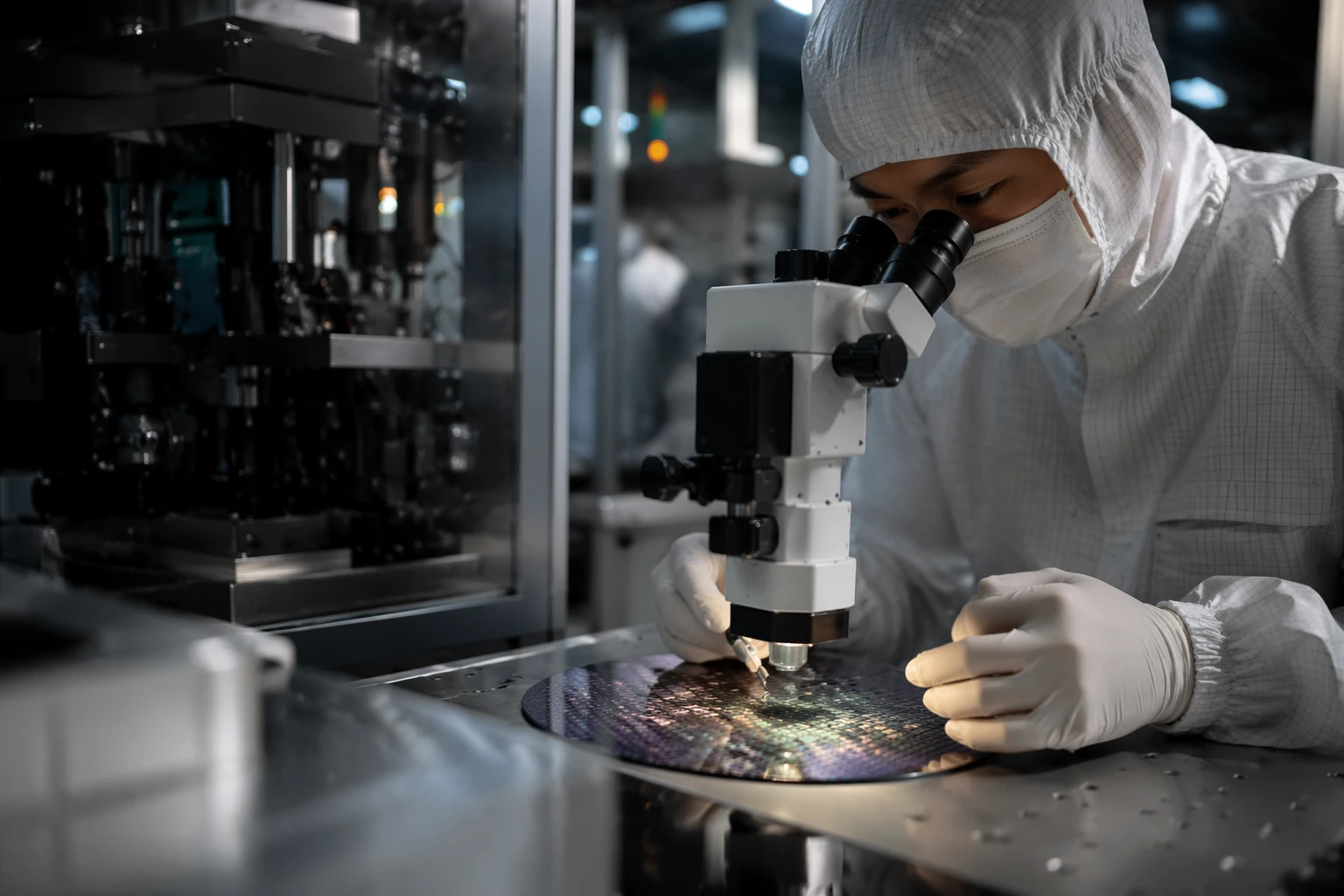
Google is testing how far it can spread risk in the AI chip race by dividing its next-generation processor across Samsung Electronics and TSMC. The planned chip, codenamed Icefish and said to be Google’s 10th-generation TPU, would place the main computing section at TSMC while Samsung builds a component that links the chip to memory using its 2-nanometer process.
That split design says a great deal about the pressure on the AI hardware supply chain. Google has spent years turning custom silicon into a cloud differentiator, first using TPUs internally in 2015 and then opening them to outside cloud customers in 2018. Now the company is trying to scale that strategy further as Google Cloud pushes to compete for AI workloads with specialized chips of its own, rather than relying entirely on Nvidia’s dominant graphics processors.
MediaTek is also said to be involved in the design work, and mass production could begin as early as 2028 if the project stays on track. For Google, bringing Samsung into the mix would reduce dependence on a narrow set of manufacturing partners at a time when AI demand is forcing chipmakers, cloud providers and foundries to rethink how much capacity any one company can control.
The timing also fits Google’s broader TPU roadmap. On April 22, 2026, Google publicly introduced its eighth-generation TPUs, TPU 8t and TPU 8i, as part of its AI Hypercomputer stack. Google said TPU 8t is built for frontier-model training, while TPU 8i is aimed at large-scale inference and reinforcement learning. Google also said TPU 8i delivers 80% better performance per dollar than the prior generation, underscoring how aggressively it is trying to make custom silicon central to its cloud offer.
Samsung has its own stakes in the deal. A Google order for a 2-nanometer component would be a notable win for Samsung’s contract chip-manufacturing business and its effort to prove it can compete for leading-edge work against larger rivals. Samsung Foundry has long framed 2nm-class manufacturing as a strategic target, and any role in Icefish would strengthen its case that it can support the most advanced AI chips, not just catch up to them. The broader message is clear: the next AI race is about manufacturing alliances as much as chip design, and Google appears determined to keep no single supplier in control.
Sources
- [1]money.usnews.com
- [2]blog.google
- [3]cloud.google.com
- [4]top500.org
- [5]sammobile.com