Technology
Google Health Coach flags poor sleep and recovery in Fitbit app shift
Google’s health coach can make an ordinary bad sleep night sound like a clinical warning. A low readiness score, below-baseline heart-rate variability, and too much time in heat all add up to a system that feels insightful one moment and unnervingly certain the next.
A score that can sound more clinical than it is
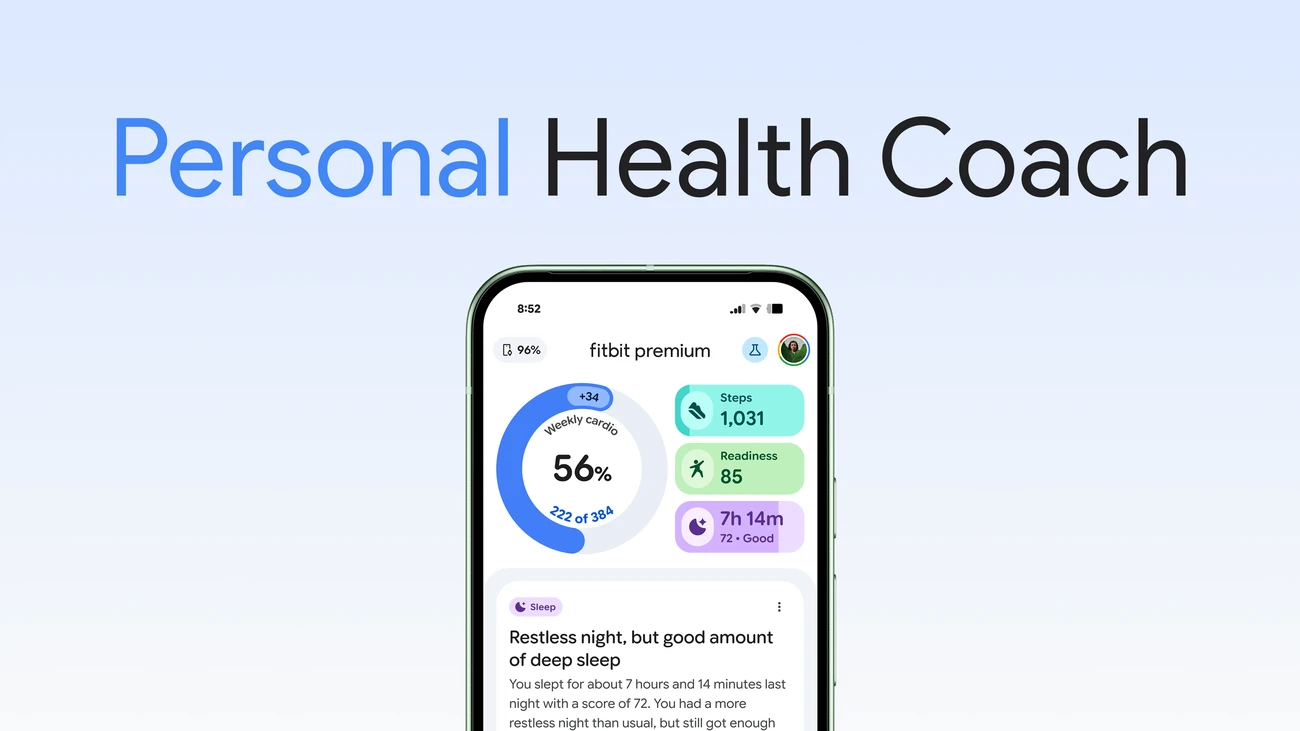
At the center of the experience is Google’s readiness score, a daily 100-point snapshot of recovery built from heart-rate variability, recent sleep, and resting heart rate. That makes it useful as a broad signal, but also easy to overread, especially when the app starts pointing out possible causes in the language of physical strain. In the example driving this shift, the coach flags poor sleep, weak recovery, and time spent in a hot, humid environment, which can feel less like wellness guidance and more like a judgment.
The broader point is that the Google Health app collects a lot more than sleep duration alone. It tracks breathing rate, heart-rate variability, skin temperature, oxygen saturation, and resting heart rate, building a fuller picture of how the body is behaving day to day. That broader data set can improve context, but it can also widen the gap between a helpful trend line and a message that sounds suspiciously like medical advice.
What changed when Fitbit became Google Health
The change is not just a new name on the screen. Google says the Fitbit app became the Google Health app starting May 19, 2026, and the transition was already underway with Fitbit social features paused beginning May 12, 2026. Google has also said the legacy Fitbit Web API will be turned down in September 2026, a signal that the old platform is being retired rather than simply refreshed.
The company’s pitch is that the redesign is built around “adaptive coaching” and a more comprehensive health experience for Fitbit and Pixel Watch users. That is a meaningful strategic shift because it moves the product away from a passive tracker and toward a system that interprets, nudges, and in some cases presumes to know what your body needs. The Verge has reported that some Fitbit users were unhappy with the new Google Health app, and Google has publicly acknowledged user feedback as it keeps changing the product.
Why Google thinks the new coach is better
Google has been expanding the coach in stages, which suggests the company is trying to make the system feel less blunt and more personal. It launched a public preview for eligible Android Fitbit Premium users in the United States in late 2025, then added more customization on April 23, 2026, and introduced cycle health logging on March 31, 2026. Google also says its latest sleep update improved sleep staging accuracy by 15% for Public Preview users.
That 15% improvement matters because sleep is where consumer health AI can become especially slippery. Better staging accuracy can reduce false alarms and make the coach more useful, but it also gives the app more confidence to tell users what kind of night they had, how recovered they are, and what they should do next. In practical terms, the smarter approach is only genuinely useful if it becomes more precise without becoming more authoritarian.
Google says the coach is built with Gemini and is meant to work as a fitness trainer, sleep coach, and health-and-wellness advisor. That is a broad mandate, and broad mandates in consumer health often create a familiar problem: the line between coaching and diagnosis gets blurred by repetition, not by intent. The app may not be claiming to replace a clinician, but its tone can still push users to treat everyday fatigue like a problem that needs intervention.
Fitbit Air is the hardware bet behind the software
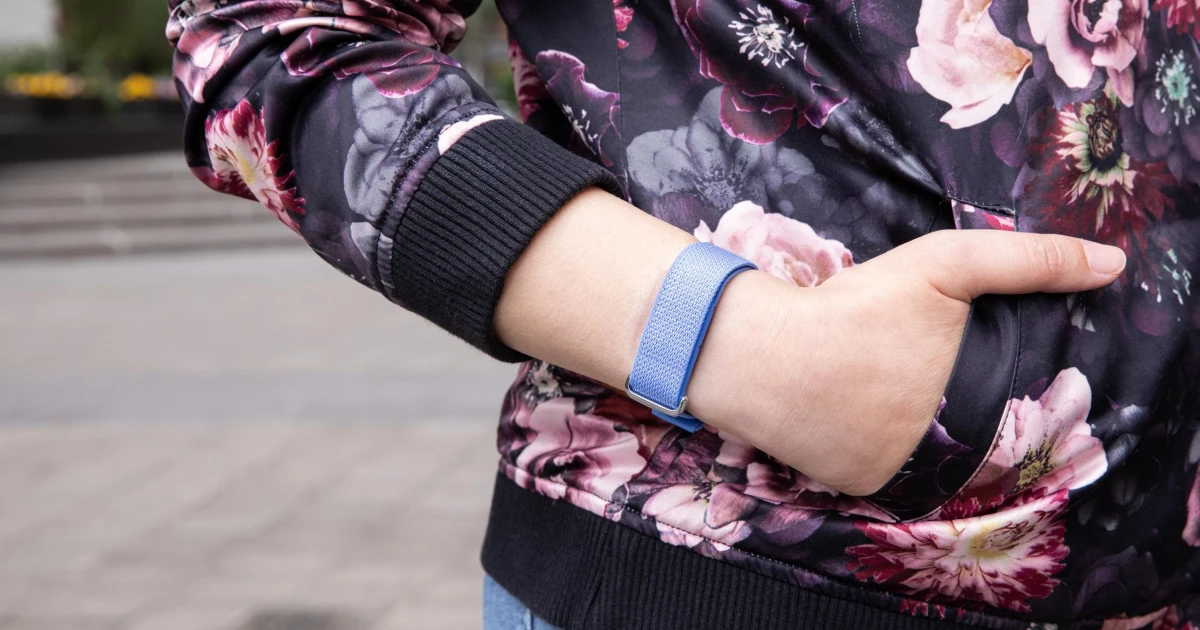
Google is also tying the new system to new hardware. The Fitbit Air is screenless, lightweight, and designed with the health coach in mind, which makes it clear that Google sees coaching as something that should happen continuously rather than only when you open an app. The device launched at $99, with a $129 Stephen Curry special edition, and it comes with three months of Google Health Premium included.
That pricing places the device squarely in the affordable-tracker category, which is part of the strategy. A lower entry price can broaden adoption, but it also increases the odds that people will rely on a device that feels simple while quietly producing a sophisticated stream of interpretations about sleep, recovery, and readiness. The screenless design reinforces the idea that this is meant to live on the body, 24/7, and quietly shape behavior in the background.
How to judge a wellness tool before it starts judging you
The best way to read consumer AI health tools is to separate measurement from interpretation. A readiness score based on heart-rate variability, recent sleep, and resting heart rate is a useful recovery proxy, but it is not a diagnosis. The same goes for breathing rate, oxygen saturation, skin temperature, and the rest of the sensor stack: more data can sharpen context, but it does not automatically turn a consumer wearable into a medical instrument.
A cautious framework is simple:
• Treat scores as trend signals, not verdicts.
• Ask what the system measures and what it does not.
• Look for transparency when the app changes its confidence, such as Google’s 15% sleep staging improvement.
• Be wary when a wellness tool repeatedly uses language that feels diagnostic rather than advisory.
The deeper question is whether the new Google Health experience reduces friction or simply repackages the same surveillance with a softer voice. If the coach helps users understand a rough night, spot a recovery dip, or notice that heat and sleep are dragging down readiness, it has real value. If it turns ordinary fluctuations into a steady stream of alarms, then the smartest part of the product may be how gently it overreaches.
Sources
- [1]theverge.com
- [2]support.google.com
- [3]blog.google