Technology
Google Images homepage will soon show personalized image suggestions
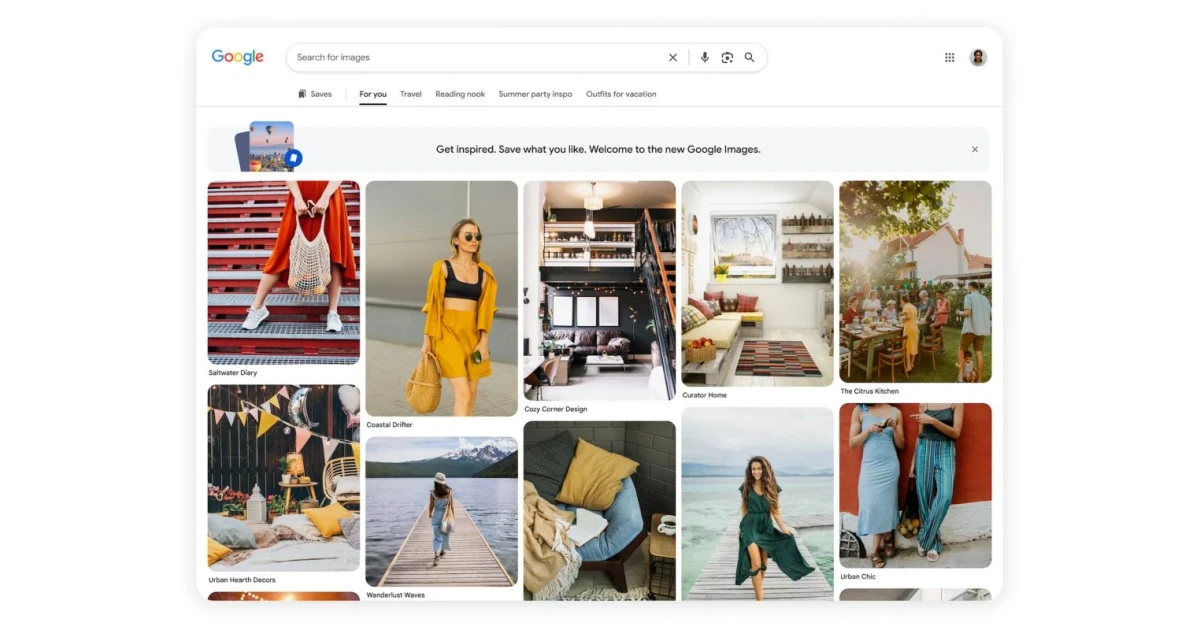
Google said it will soon replace the mostly blank Google Images homepage with personalized image suggestions, shifting the product from a search box to a curated feed before a user types a query. The change is tied to the platform’s 25th anniversary and to Google’s broader effort to make Search feel more proactive.
That pivot reaches back to the product’s origin story. Google Images launched in 2001 after a surge of demand for photos of Jennifer Lopez’s green Versace Grammys dress exposed the limits of text-only search. Google’s Search timeline says that moment was the trigger, adding, “This inspired us to create Google Images.”
The redesign also extends a personalization push already visible inside the Google app. Google added an Images tab there that shows new images each day tailored to a user’s interests, a sign that visual discovery is becoming something Google wants to shape before a search begins. The company has said that people coming to Google Images today are looking to find information or get help doing something, not just to see an image.
That framing matters because it changes what the homepage is for. A page that starts making suggestions on its own relies more heavily on user signals and interest profiling, which can alter browsing habits and raise new questions about privacy, consent and how much of a user’s history should influence what appears first. It also deepens Google’s control over discovery in a market where search is no longer just about answering a query, but about setting the terms of what users notice in the first place.

Google has also used its 25th-anniversary period to highlight the long arc of Search itself. Its official history says Google Search has been evolving since its launch in 1997, and the company has recently pushed more AI-assisted and personalized discovery across Search-related products. Google has not said whether the redesigned Images homepage will appear for everyone at once or roll out gradually, leaving the company’s next step on one of its most familiar surfaces still partially undefined.
Sources
- [1]theverge.com
- [2]blog.google