Technology
Google launches Android 17 and Wear OS 7 with AI-powered upgrades
Google’s latest Android push mixes practical protections with a familiar platform message: the best new features arrive first on Google hardware. Android 17 and Wear OS 7 came with a June Pixel Drop that starts rolling out on June 16, 2026 and will continue over the next few weeks, but several marquee tools remain tied to Pixel devices or to Gemini’s expanding reach.
The most user-facing additions are less about spectacle than control. Google’s June Android Drop adds scam-detection tools for calls, while recent system updates add extra security verifications for unverified apps in the Google Play Store. For families, Google’s on-device parental controls let parents set screen-time limits, downtime schedules, app limits, and mature-content filters, with Family Link available for stronger account management and school-time controls.
The AI layer is where Google is drawing the sharpest boundary between broad Android and premium access. In May, Google described Gemini Intelligence as a shift from Android as an operating system toward an “intelligence system” that can automate multi-step tasks, summarize web content, simplify form filling, and create custom widgets through natural language. That rollout begins first on select Samsung and Google phones this summer, then expands to other Android devices later in the year, making the most capable tools depend on both device class and Google’s own software stack.
Pixel owners get the richest showcase. The June Pixel Drop includes Screen reactions for built-in selfie video while screen recording, Gemini-powered video and music creation, and Bubbles, a multitasking feature that turns any app into a floating window. Those updates are useful in daily use, especially for creators and people juggling messages, maps, and other apps, but they also reinforce the same pattern: the most visible upgrades arrive where Google controls the hardware, the software, and the AI layer.
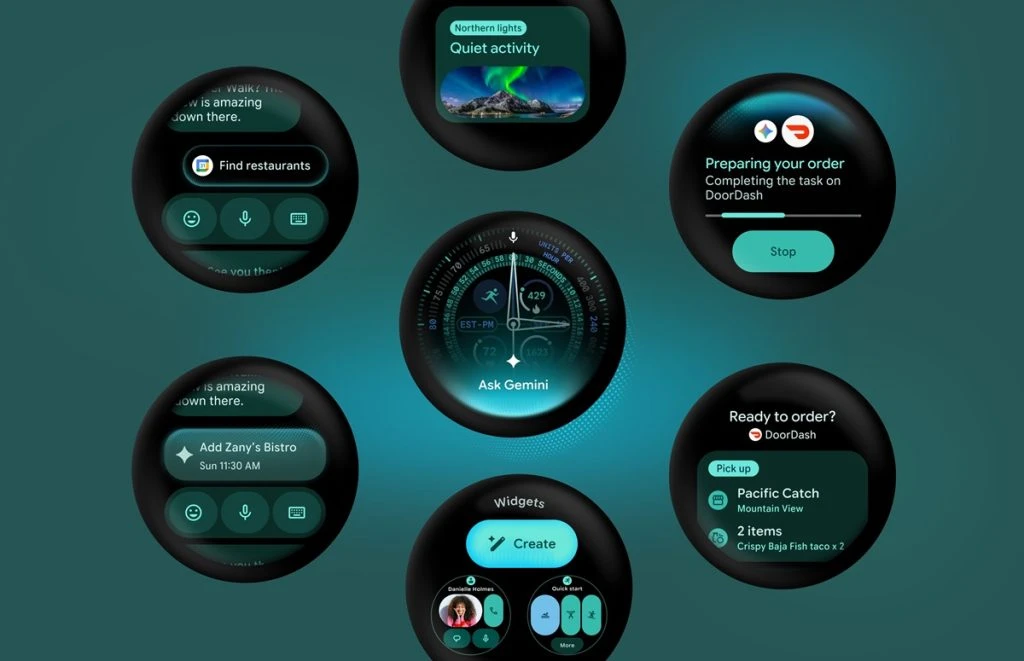
Wear OS 7 follows the same playbook. Google said Gemini began rolling out to Wear OS watches on July 9, 2025, including Pixel, Samsung, OPPO, OnePlus, and Xiaomi devices, with hands-free access through “Hey Google,” the side button, or the Gemini app icon. Android 17 also reached platform stability with Beta 3, locking the API surface for final compatibility testing, and Android Developers released Beta 4.1 on June 1, 2026. The result is a cleaner security story and more capable devices, but also a clearer dependence on Google’s own ecosystem for the newest features.