Technology
Google Nest Thermostat drops to $79, its best price of the year

Google’s Nest Thermostat is back down to $79 in white at Amazon, a $50 discount and its lowest price of the year. The price looks more compelling when measured against utility bills than against the sticker itself: at Google’s stated 15% cooling savings, the thermostat pays for itself once a household spends roughly $527 a year on air-conditioning. Google also says the device can cut heating and cooling bills by up to 31%, which would make the break-even point roughly $255 in combined annual heating and cooling costs.
That payoff is strongest where summer air-conditioning runs hard and electricity prices are high. Homes in hot, humid climates, especially those that keep the system on for long stretches, have the clearest path to real savings. In milder regions, or in households that already use a programmable thermostat and keep a tight schedule, the savings can shrink fast and the purchase starts to look more like a convenience upgrade than a bill-cutting tool. The sale price lowers the barrier, but the monthly utility bill determines whether the thermostat is a smart buy or just a smart-home accessory.
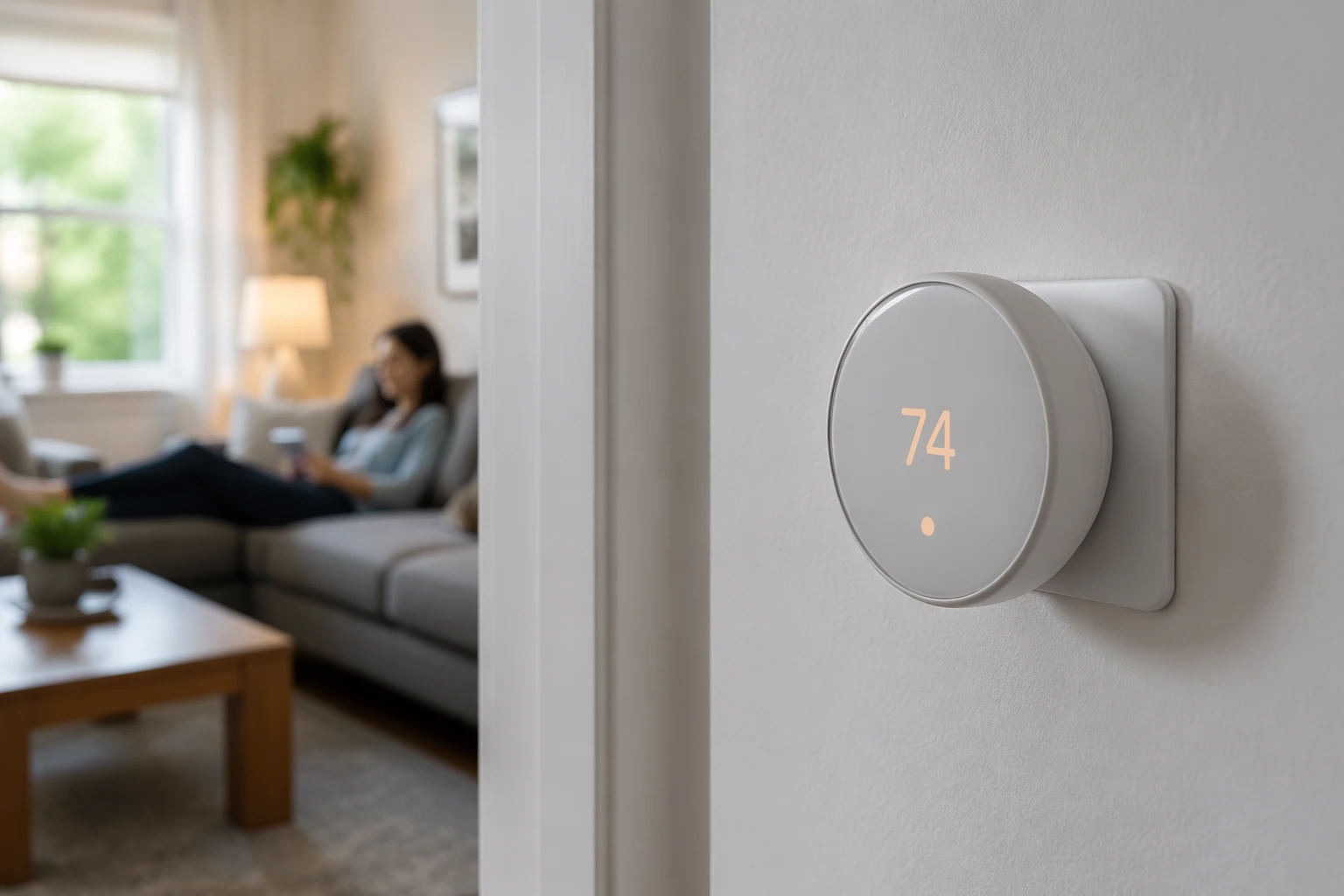
Google introduced the Nest Thermostat in 2020 as a lower-cost successor to the earlier Nest Learning Thermostat, and the company has kept the pitch centered on efficiency. Google says the thermostat can self-install in under 30 minutes, be controlled from anywhere through the Google Home app, and work with Matter so it fits more easily into a broader smart-home setup. Google Help pages point to features such as Eco when Away, Seasonal Savings, Rush Hour Rewards, and Nest Renew, while the Nest Leaf icon flags a more efficient temperature choice.
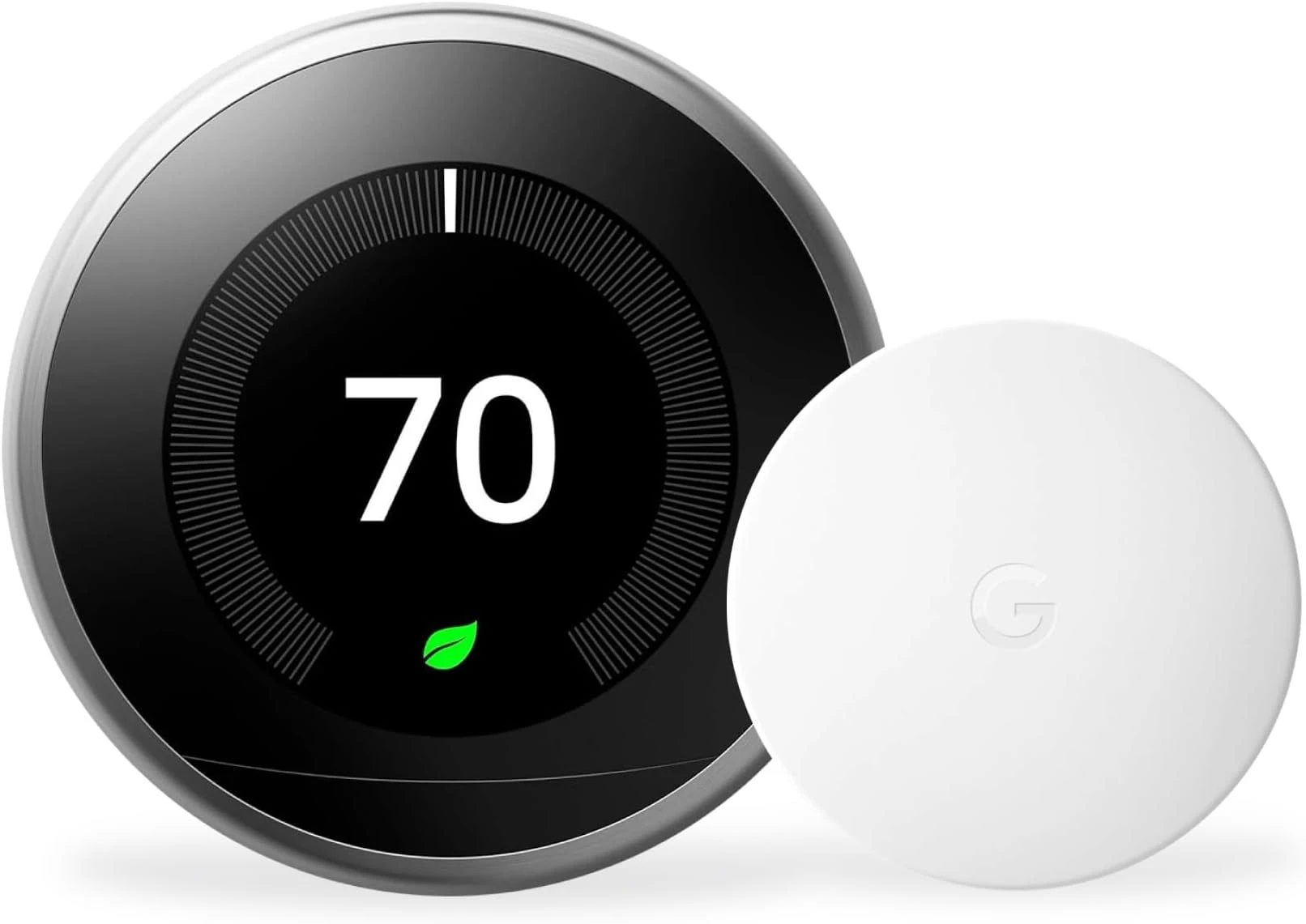
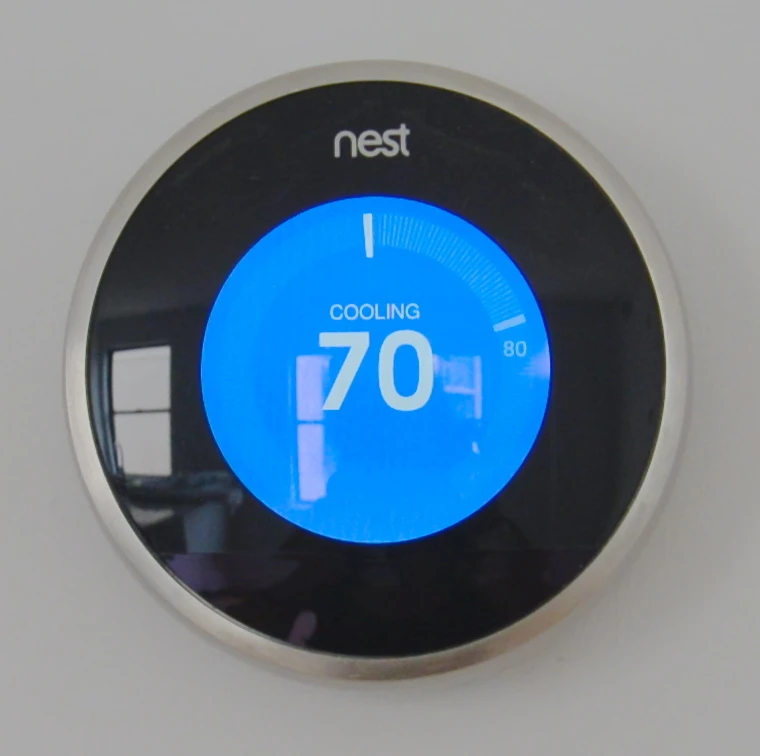
Google says Nest thermostats have saved users an estimated $14 billion and 200 billion kWh of energy since 2011, figures that show why the product still sells on more than brand recognition. The real question for households is narrower: if cooling bills are already modest, the savings may take a long time to justify even a discounted purchase. For homes that run the AC most of the year, the math is better and the $79 sale price can turn into a meaningful return within a single season.
Sources
- [1]theverge.com
- [2]store.google.com
- [3]support.google.com
- [4]blog.google