Technology
Google redesigns Noto Emoji library as open-source 3D models

Google published a World Emoji Day post Friday saying it had redesigned its entire Noto Emoji library as true, open-source 3D models. The move puts one of the most widely deployed visual systems in Google’s ecosystem into a format that can be reused across products rather than remade for each screen.
The company said the work sits inside its open-source Noto Emoji project, which already powers emoji images on most Android devices, Gmail Web Interface, Google Meet and ChromeOS. Google’s design team also said the project now supports the latest Unicode emoji specification, which keeps the library aligned with the standards that govern how emoji appear across platforms.
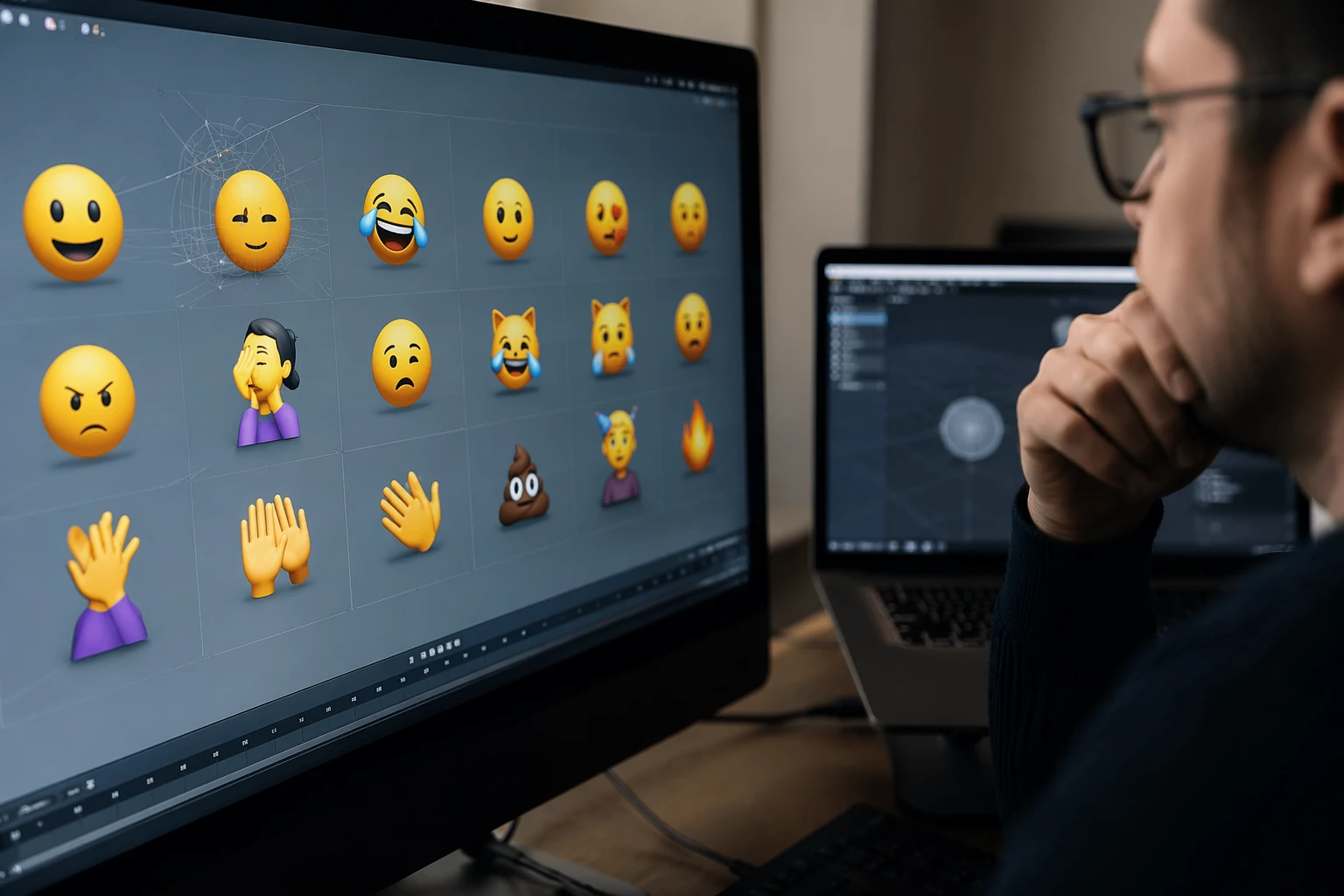
Google’s own explanation suggests the change is about more than visual polish. In a May 12 post, Jennifer Daniel, Google’s creative director for emoji, wrote that "the way we communicate is constantly evolving and our emoji reflect that." In 3D, the design problems change too: lighting, depth, texture and consistency matter in ways they do not in flat illustrations. That makes the asset library more useful to app developers, brands and creators who want a ready-made visual language that can be dropped into interfaces, stickers, social posts or product surfaces.
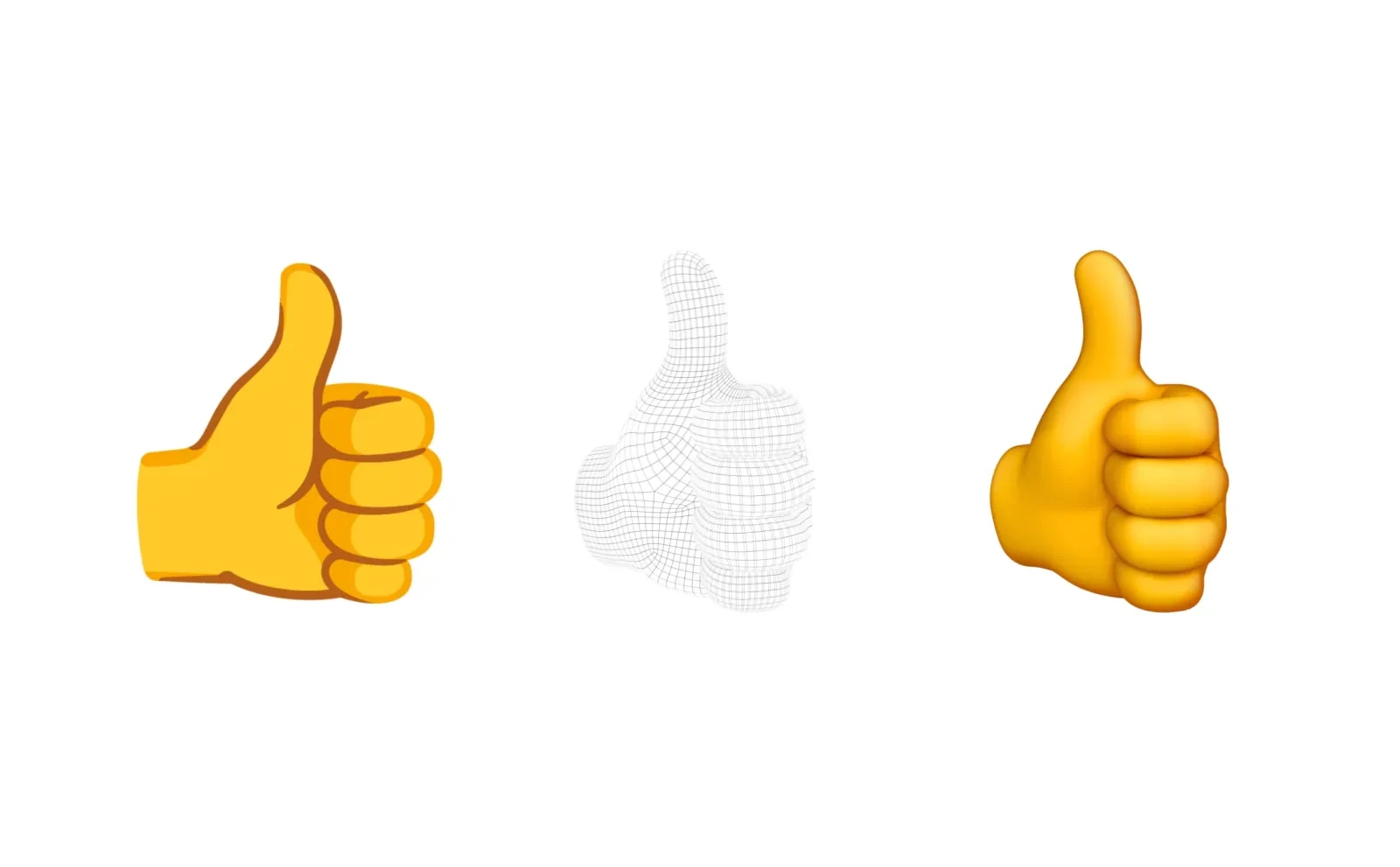
Google Design reinforced that message in a post on X, telling users to "bring a whole new dimension" to their UI this World Emoji Day and saying they can now access Google’s entire Noto Emoji library "redesigned as true, open-source 3D models." By releasing the set as open source, Google is giving outsiders access to a polished piece of digital infrastructure, not just a novelty set of icons. That places Google in the role of standard-setter as much as designer, shaping how everyday expression looks inside the products millions of people use.
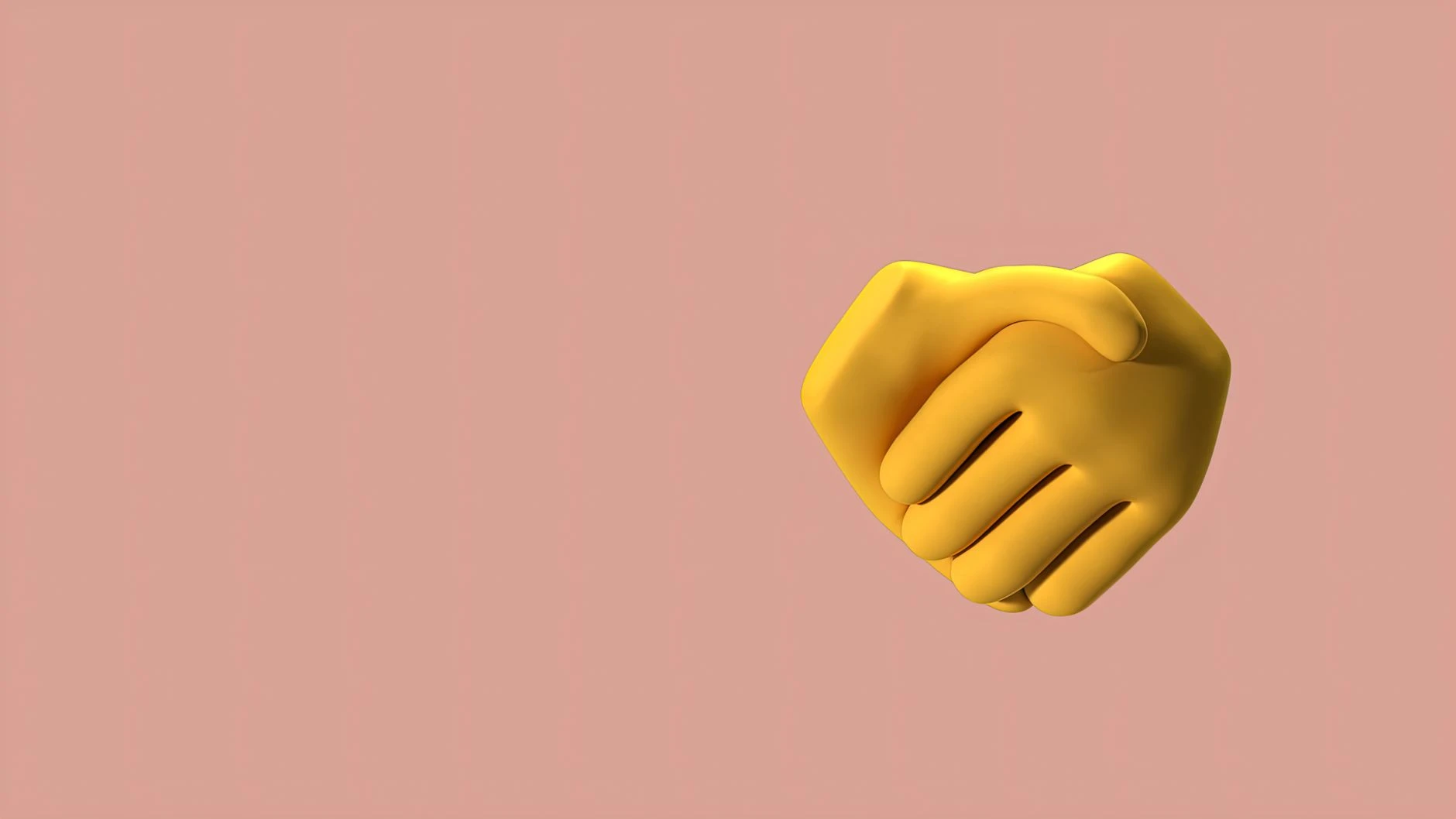
The timing also fit a pattern. World Emoji Day is observed annually on July 17, the date shown on the calendar emoji, and Google has used it before to roll out emoji-related announcements. A July 17, 2024 post titled "10 fun facts about emoji for World Emoji Day" followed earlier emoji updates in 2020 and 2017, turning the date into a recurring stage for product and design changes.
Sources
- [1]theverge.com
- [2]blog.google
- [3]x.com
- [4]fonts.google.com